
Alright, listen up, future photography legends of New York City! This is Dante T9, owner of Dante's Models, and if there's one thing I know, it's how to capture the raw energy of this city and the incredible talent within it. I've been hustling in these streets with a camera for over seven years, from gritty Bushwick warehouses to the glittering penthouses of Midtown, and I've seen it all. Today, we're talking gear.
1. Introduction: Why Good Gear Matters (Value vs. Cost) for Aspiring NYC Photographers
You might hear people say, "It's not the camera, it's the photographer." And yeah, sure, a master can make magic with a potato. But let's be real: you're not going to land that big fashion gig in the West Village or capture the intricate details of a Dumbo photoshoot with your iPhone. In a city as competitive and visually demanding as NYC, your gear is your foundation. It's an investment, not just an expense. It opens up creative possibilities, improves your image quality, and frankly, makes you look more professional when you're on set or scouting locations. Don't cheap out on the essentials; think of it as investing in your future portfolio and your ability to stand out.
2. Understanding Camera Types: DSLR vs. Mirrorless for Beginners
When you're starting out, the camera market can feel like navigating Times Square during rush hour – overwhelming. The biggest decision you'll face is between a DSLR and a mirrorless camera.
- DSLR (Digital Single-Lens Reflex): These have been the industry standard for decades. They use a mirror mechanism to reflect light into an optical viewfinder. They're robust, have a huge lens ecosystem, and often offer great battery life.
- Mirrorless: These cameras, as the name suggests, ditch the mirror. Light goes directly to the sensor, and you see your image through an electronic viewfinder (EVF) or on the LCD screen.
For beginners today, I wholeheartedly recommend mirrorless. Why? They're generally smaller, lighter, faster, and packed with cutting-edge tech like superior autofocus and in-body image stabilization. They're the future, and getting started with one means you're investing in a system that will grow with you.
3. Top Recommended Beginner Cameras
So, you're ready to dive into mirrorless? Excellent choice. Here are a couple of solid options that won't break the bank but will deliver fantastic results:
- Canon EOS R50: For mirrorless, I often recommend the Canon EOS R50. It's a fantastic entry point into the Canon R-system. It's compact enough to carry around Central Park all day, shoots incredible 24.2MP images, handles video beautifully, and has an intuitive interface that makes learning a breeze. This camera punches well above its weight class for its size and price.
- Canon EOS Rebel T7: If you're still leaning towards a DSLR, perhaps because you found a great deal or prefer an optical viewfinder, the Canon EOS Rebel T7 is a solid, budget-friendly choice. It’s a workhorse that many photographers started with, and it’ll teach you the fundamentals without overwhelming you. It might be a bit older tech, but it still captures sharp images perfect for building your first portfolio.
Remember, these are tools. The best camera is the one you'll actually use and learn inside and out.
4. Essential Lenses for Beginners
The camera body is just half the story. Lenses are where the magic truly happens, shaping your perspective and image quality.
- The Kit Lens: Most beginner cameras come with a "kit lens," typically an 18-55mm zoom. Don't dismiss it! It's a versatile starting point, great for understanding focal lengths and framing. It's perfect for capturing broad NYC street scenes or tighter portraits. Use it until you understand its limitations.
- The 'Nifty Fifty' (50mm f/1.8): This is the absolute first prime lens you need to grab. For Canon shooters, that's the Canon EF 50mm f/1.8 STM. It's a game-changer. Why?
- Sharpness: It's incredibly sharp for its price.
- Low Light: The f/1.8 aperture lets in a ton of light, so you can shoot in those moody NYC evenings without cranking your ISO too high.
- Bokeh: That beautiful, blurry background effect that makes your subject pop? The 'Nifty Fifty' delivers it in spades, perfect for portraits in Bryant Park or capturing a model against the busy backdrop of Fifth Avenue.
- A Versatile Zoom Lens: Once you outgrow the kit lens, consider a versatile zoom like a 24-70mm f/2.8 (or an f/4 version for budget). This range is fantastic for everything from wide-angle shots of the Manhattan skyline to tighter compositions. It's the kind of lens you'll keep on your camera for most of your general shooting.
5. Basic Lighting & Accessories
Don't forget the supporting cast! These small additions make a huge difference:
- On-Camera Flash: While natural light is king, an on-camera flash can seriously elevate your street photography or even quick portraits. It's not just for blasting light; it can fill in shadows, add a catchlight to eyes, and create dynamic images. The Godox V860III Flash is a beast, offering power, reliability, and wireless capabilities that will serve you well as you grow.
- Reflector: A simple, collapsible 5-in-1 reflector costs next to nothing but can transform your lighting. Use it to bounce sunlight, fill shadows, or even block harsh light. Essential for any outdoor portrait session, whether you're in Prospect Park or by the Hudson.
- Extra Batteries: Running out of juice mid-shoot in SoHo? Unacceptable. Always have at least one, preferably two, spare batteries.
- Fast SD Cards: Don't skimp here. Get reliable, fast SD cards (UHS-II recommended) to ensure your camera can write data quickly, especially if you're shooting action or video.
- A Good Camera Strap: Your camera is going to be with you everywhere, so comfort and security are key. I swear by my Peak Design Camera Strap. It's durable, comfortable for long shoots, and the quick-release system is a game-changer when you need to switch to a tripod or just get it out of the way.
6. Where to Buy
NYC has some of the best camera stores in the world. B&H Photo and Adorama are legendary for a reason – incredible selection, knowledgeable staff, and competitive prices. Amazon is also a reliable source, especially for new gear.
Consider buying used gear to save some serious cash, but be smart about it. Stick to reputable retailers that offer warranties on used equipment. Always check the shutter count (how many photos the camera has taken) and inspect the lens glass thoroughly for scratches or fungus.
7. Conclusion: Start Simple, Practice, and Grow Your Kit
The most important thing is to start. Don't get caught in analysis paralysis. Grab a good beginner camera, a 'Nifty Fifty,' and get out there. Walk the streets of Greenwich Village, explore the vibrant murals of Bushwick, or find your own hidden gems. Experiment, make mistakes, learn, and practice, practice, practice. Your skills are far more valuable than the most expensive gear.
As you grow, your kit will too. You'll figure out what lenses and accessories truly serve your evolving style. But for now, keep it simple, focus on the fundamentals, and let your passion for photography shine through.
Ready to capture your story? Or maybe you're a model looking to build your book? Head over to dantet9.com to book a photoshoot or learn how to join our roster at Dante's Models. Let's make some magic happen!
This post contains affiliate links. If you purchase through these links, we may earn a small commission at no extra cost to you. This helps us keep creating free content and tools for the photography community.
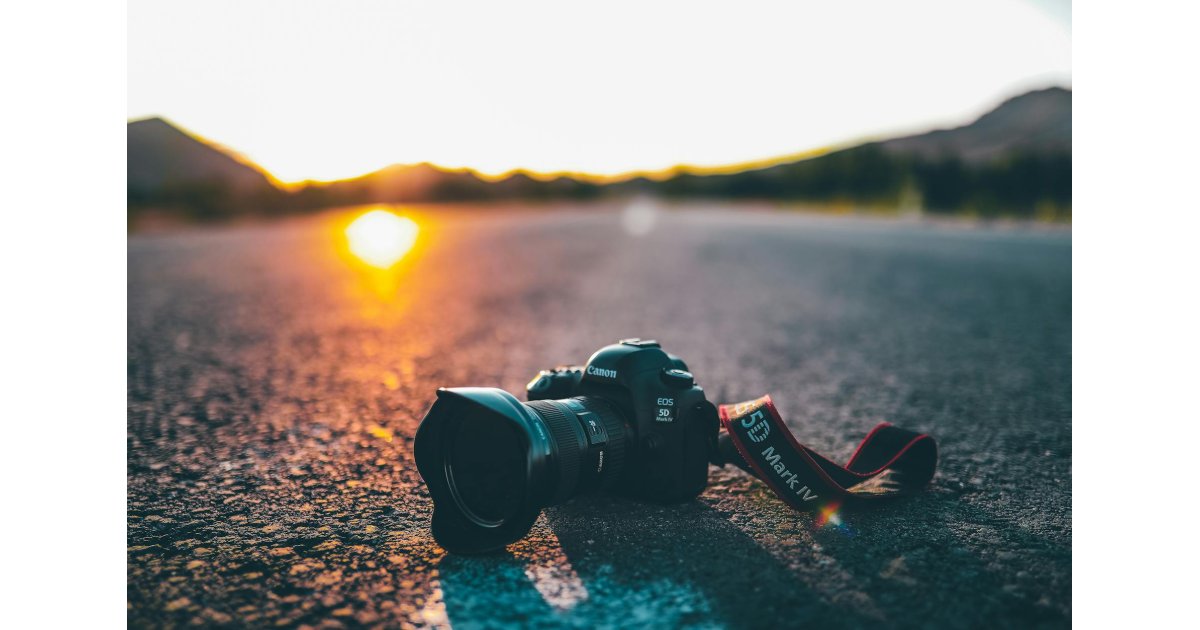
Photo by Adil on Pexels