
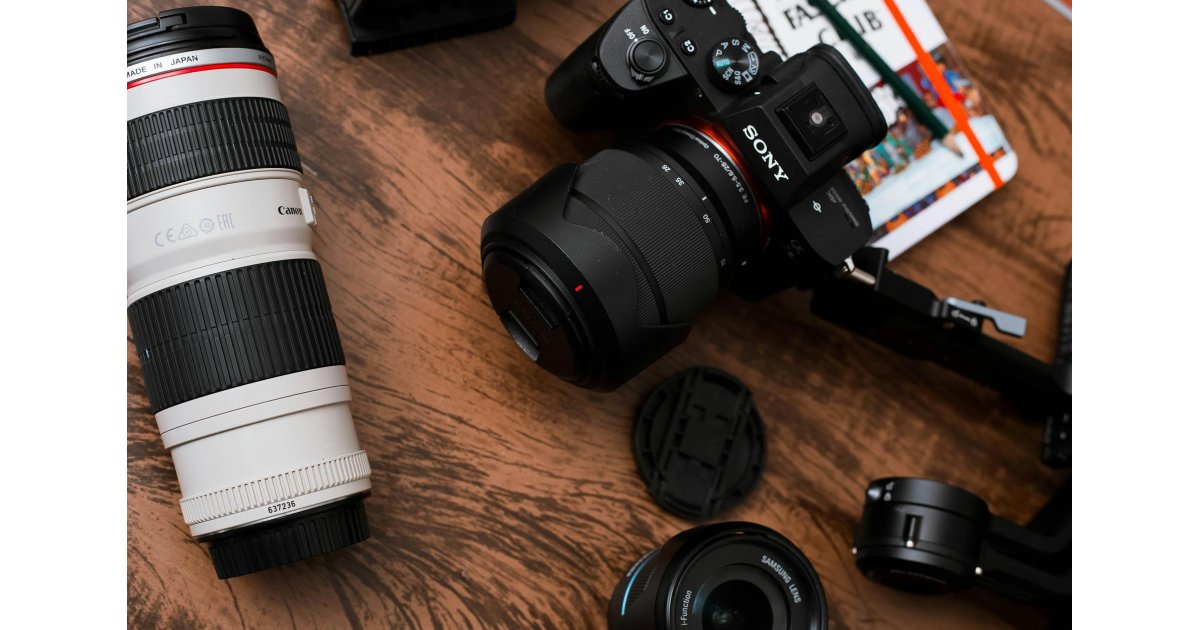
Yo, what up, NYC! Dante T9 here, founder of Dante's Models and a guy who's spent the last seven years navigating this concrete jungle with a camera in hand. From the gritty realism of the Lower East Side to the sleek lines of Hudson Yards, I've shot it all, and I've helped countless aspiring models and photographers find their footing.
One of the questions I get asked most often, especially from those just starting out, is: "Dante, what camera should I even buy?" It's a valid question. Walk into any camera store, or even just browse online, and you're hit with a dizzying array of options. But when your goal is to capture stunning portraits in a city as dynamic as ours – whether it's for building a model's portfolio or just documenting the incredible faces of New York – you need the right tool for the job without breaking the bank.
This isn't about getting the most expensive gear; it's about getting the right gear that empowers you to learn, grow, and create magic.
Essential Camera Features for NYC Portrait Beginners
Before we dive into specific models, let's talk about what truly matters for portrait photography, especially in a city like ours where lighting can change faster than a subway express.
- Sensor Size: You'll mostly hear about APS-C (cropped sensor) and Full-Frame. For beginners, APS-C is your sweet spot. Why? It's more affordable, the lenses are generally smaller and lighter, and modern APS-C sensors deliver incredible quality. You don't need full-frame to take amazing portraits, especially when you're just learning the ropes.
- Low-Light Performance: This is non-negotiable in NYC. From moody evening shoots in the West Village to capturing expressions under the dim lights of a subway platform, your camera needs to handle higher ISO settings without turning your images into a grainy mess. Look for cameras that perform well at ISO 1600-3200, at least.
- Autofocus (AF) System: Fast, accurate autofocus is crucial. You're often dealing with moving subjects, fleeting expressions, and dynamic street scenes. A camera with a reliable AF system, ideally with eye-detection capabilities, will save you a ton of frustration and missed shots.
DSLR vs. Mirrorless: The Starter Pack Showdown
For years, DSLRs were the undisputed kings. They're robust, have optical viewfinders, and generally great battery life. But mirrorless cameras have caught up and, in many ways, surpassed them, especially for portability and advanced features. Both are excellent choices for beginners, it just depends on your preference.
DSLR Recommendations: Tried and True Workhorses
If you appreciate the tactile feel, optical viewfinder, and a solid, dependable build, a DSLR is a fantastic choice to learn on. They're often more affordable now, too.
- Canon Rebel Series (e.g., Canon EOS Rebel T7): The Rebel line is legendary for a reason. They're user-friendly, incredibly reliable, and there's a massive ecosystem of affordable lenses available. The controls are intuitive, making it easy to grasp the fundamentals of exposure and composition. You can find a Canon EOS Rebel T7 bundled with a kit lens for a steal, and it’ll be a solid foundation.
- Nikon D3500/D5600: Nikon's entry-level DSLRs are equally fantastic. They offer excellent image quality, comfortable ergonomics, and a guided mode that's super helpful for beginners. Both the D3500 and D5600 are compact for DSLRs, making them decent for carrying around the city without feeling like you're hauling a brick.
Mirrorless Recommendations: Compact Powerhouses
Mirrorless cameras are often smaller, lighter, and packed with modern tech like advanced autofocus and electronic viewfinders that show you exactly what your final image will look like. They're perfect for discreet street photography in SoHo or capturing the vibrant energy of Times Square.
- Sony Alpha a6000 Series (e.g., a6000, a6100, a6400): Sony basically pioneered the affordable, high-performance APS-C mirrorless camera. The a6000 series cameras are compact, have incredibly fast autofocus (especially the newer models with real-time tracking), and produce stunning images. They're fantastic for both stills and video, which is a huge plus if you plan to dabble in motion.
- Canon EOS R50: This is a newer player, and it's a game-changer for beginners. I've been shooting with the Canon EOS R50 for smaller studio shoots and it's an absolute beast for its size, especially for new photographers stepping into the mirrorless world. It's got Canon's incredible autofocus, a user-friendly interface, and it's part of the future-proof R-mount system, meaning you'll have access to some truly phenomenal lenses as you grow. It's lightweight enough to carry around all day, from a Brooklyn brownstone shoot to a Battery Park sunset.
Your Secret Weapon: Affordable Prime Lenses for Portraits
Okay, listen up, because this is where you elevate your game without spending a fortune. Forget the kit zoom lens for a minute. For portraits, you need a prime lens. Primes have a fixed focal length (no zoom), but they offer wider apertures (smaller f-numbers like f/1.8, f/1.4), which means two things: incredible low-light performance and beautiful, creamy background blur (that's "bokeh" for you aspiring pros).
-
The "Nifty Fifty" (50mm f/1.8): If there's one lens I tell every single one of my new models or aspiring photographers to get, it's the Canon EF 50mm f/1.8 STM (or its Nikon/Sony equivalent). Seriously, this 'nifty fifty' is a legend for a reason. It's super affordable, razor-sharp, and that f/1.8 aperture will give you that professional-looking shallow depth of field that makes your subject pop against any NYC backdrop – whether it's the chaos of Grand Central or the serene beauty of Central Park. It’s an essential tool for isolating your subject and telling their story.
-
The 35mm f/1.8 or f/1.4: If you want a slightly wider perspective that's great for environmental portraits – showing more of the iconic NYC scene around your subject – a 35mm prime is fantastic. It's versatile, letting you capture subjects in their environment, like a model strolling through Washington Square Park. Many brands offer excellent, affordable 35mm f/1.8 lenses for their APS-C systems.
Why These Choices Are Perfect for NYC Portraits
These camera and lens combinations aren't just good; they're excellent for building a model portfolio or capturing the vibrant essence of city life.
- Professional Results on a Budget: You'll be able to achieve sharp images with beautiful background blur, essential for making your portraits stand out. This is crucial for attracting clients or getting noticed by agencies.
- Versatility in Any Light: The low-light capabilities of these cameras, combined with the wide apertures of prime lenses, mean you can shoot from dawn till dusk – from a bright morning shoot in Dumbo to a moody evening session in a Greenwich Village alley.
- Learning the Craft: These cameras are designed to be user-friendly for beginners but also offer manual controls to grow into. You'll learn about aperture, shutter speed, and ISO without being overwhelmed by overly complex features.
- Portability: Hauling heavy gear through the subway or across boroughs is a nightmare. These setups are relatively lightweight, letting you stay agile and focused on finding the perfect shot, whether it’s in a bustling market or a quiet corner of the Brooklyn Botanic Garden.
Look, getting started can feel daunting, but trust me, with any of these recommendations and a solid prime lens, you're not just buying a camera; you're investing in your passion and your future as a photographer in the greatest city in the world. Get out there, experiment, and start telling those stories.
Ready to take your portfolio to the next level? Or maybe you're looking to start your modeling journey and need some killer shots? Hit up dantet9.com to book a shoot or learn how to join Dante's Models. Let's make some magic.
This post contains affiliate links. If you purchase through these links, we may earn a small commission at no extra cost to you. This helps us keep creating free content and tools for the photography community.
Photo by Wallace Chuck on Pexels