The rain always seems to hit different here in the city. It’s not just water; it’s a soundtrack, a filter for the chaotic symphony of Manhattan. Right now, I'm tucked into a familiar corner of a Lower East Side cafe, the condensation on my cold brew a tiny, temporary art installation. Outside, the streets shimmer, reflecting the neon glow of bodega signs and the hurried umbrellas of passersby. It's moments like these, quiet and reflective, when the persistent hum of the city fades into the background, that I find myself thinking about the core of what I do, and more specifically, how I do it.
The Enduring Allure: Why Film Still Sings
It’s an almost absurd question to some, especially in the hyper-efficient, instant-gratification landscape of modern photography: Why film? With gigabytes of digital memory, lightning-fast autofocus, and the immediate feedback loop of an LCD screen, why would anyone intentionally slow down, limit themselves, and embrace the costly, time-consuming ritual of analog? For me, the answer isn’t a single, neatly packaged justification, but a collection of sensations, an almost spiritual connection to the craft that digital, for all its undeniable convenience, simply can’t replicate.
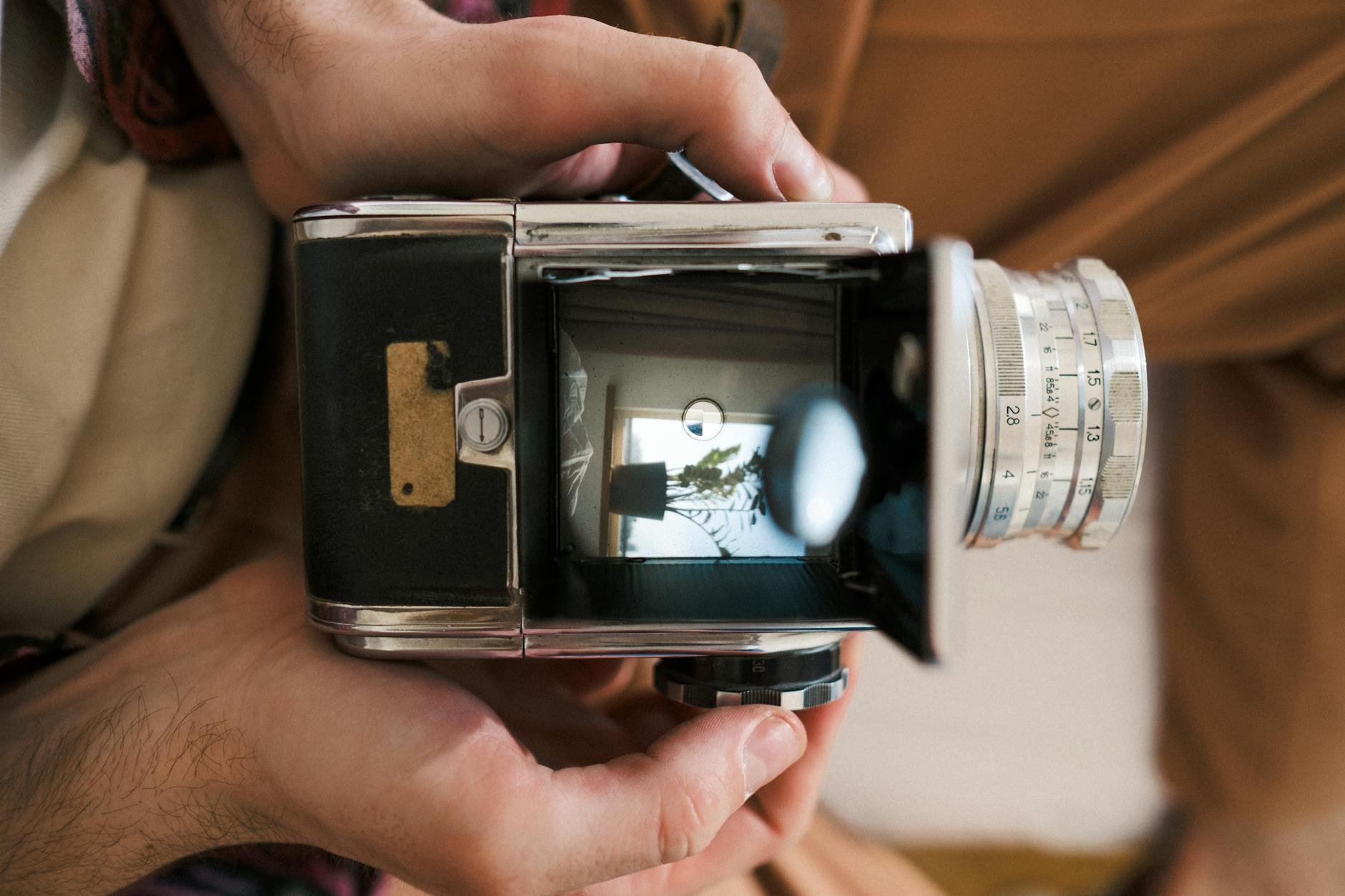
There's a specific weight to my Hasselblad, a mechanical precision that feels like holding a piece of history. The click of the shutter isn’t a silent whisper; it’s a definitive, satisfying thwack that resonates through your hands, signaling a moment captured. Each frame on a roll of film feels precious, earned. It forces a deliberate consideration, an intentionality that can sometimes get lost when you know you have thousands of digital "do-overs" at your fingertips. This isn't about being anti-digital – my studio workflow is undeniably hybrid, leveraging digital for speed and post-production flexibility when needed. But for those moments of pure creation, for the portraits that need to breathe, for the fashion editorials that demand a certain timelessness, film remains my first love.
The Tactile Ritual: From Exposure to Darkroom
The process itself is a significant part of the allure. It starts long before the shoot, with the careful selection of film stock – Portra for its creamy skin tones, Fuji Pro 400H for its vibrant greens, or perhaps a sharp, contrasty black and white like Ilford HP5 for a gritty street scene in Bushwick. Loading the film, the delicate dance of threading it onto the take-up spool, the satisfying click of the camera back closing – it’s a small ceremony that prepares the mind for the work ahead. This isn't just about pressing a button; it's about engaging with the entire photographic ecosystem.
After the shoot, the anticipation builds. There’s no instant gratification, no quick peek at the back of the camera. The images remain unseen, locked away in their light-tight canister, a secret between the film and the developing chemicals. Sending rolls to my trusted lab in Long Island City, or sometimes, for personal projects, hand-developing them myself in my own small darkroom setup – the smell of fixer, the red glow of the safelight, the slow emergence of an image on paper – these are sensory experiences that ground me. It’s a deliberate journey, not a quick destination. This extended process allows for a period of creative digestion, a space for the initial excitement to mellow, making the eventual reveal of the negatives even more profound.
Embracing Constraints: The Beauty of Imperfection
Digital photography often strives for perfection: perfect exposure, perfect focus, perfect clarity. While I appreciate and often achieve these in my commercial work, film embraces, and sometimes even celebrates, the imperfections. The subtle grain structure, the unique color shifts of different film stocks, the occasional light leak that transforms a mundane shot into something ethereal – these aren't flaws; they are character. They imbue an image with a tangible sense of humanity, a warmth that can be difficult to replicate digitally without significant post-processing.
The inherent constraints of film – limited frames per roll, the inability to change ISO mid-roll, the fixed color temperature of a specific stock – force a higher level of discipline and intentionality. You have to think more, plan more, and trust your instincts more. It's a constant exercise in honing your eye and understanding light, rather than relying on technology to correct mistakes. This deliberate approach, this forced slowness, paradoxically often leads to stronger, more impactful images. It strips away the excess and makes you focus on the essential elements: composition, light, and subject. It’s about making every single frame count, whether I'm shooting a rising star in our studio in NoHo or capturing the vibrant energy of a fashion shoot on the cobblestones of the Meatpacking District.
A Slower Pace, A Deeper Connection
In a world that constantly demands faster, quicker, more, film offers a sanctuary of slowness. It's a conscious decision to step off the conveyor belt of instant digital consumption and engage with a process that respects time. This deliberate pace isn't just about the technical aspects; it extends to the creative relationship with my subjects. When a model knows that each click of the shutter is a calculated choice, that there are only 12 or 36 frames on that roll, it subtly shifts the dynamic. There's a heightened awareness, a shared focus on creating the shot, not just a shot.
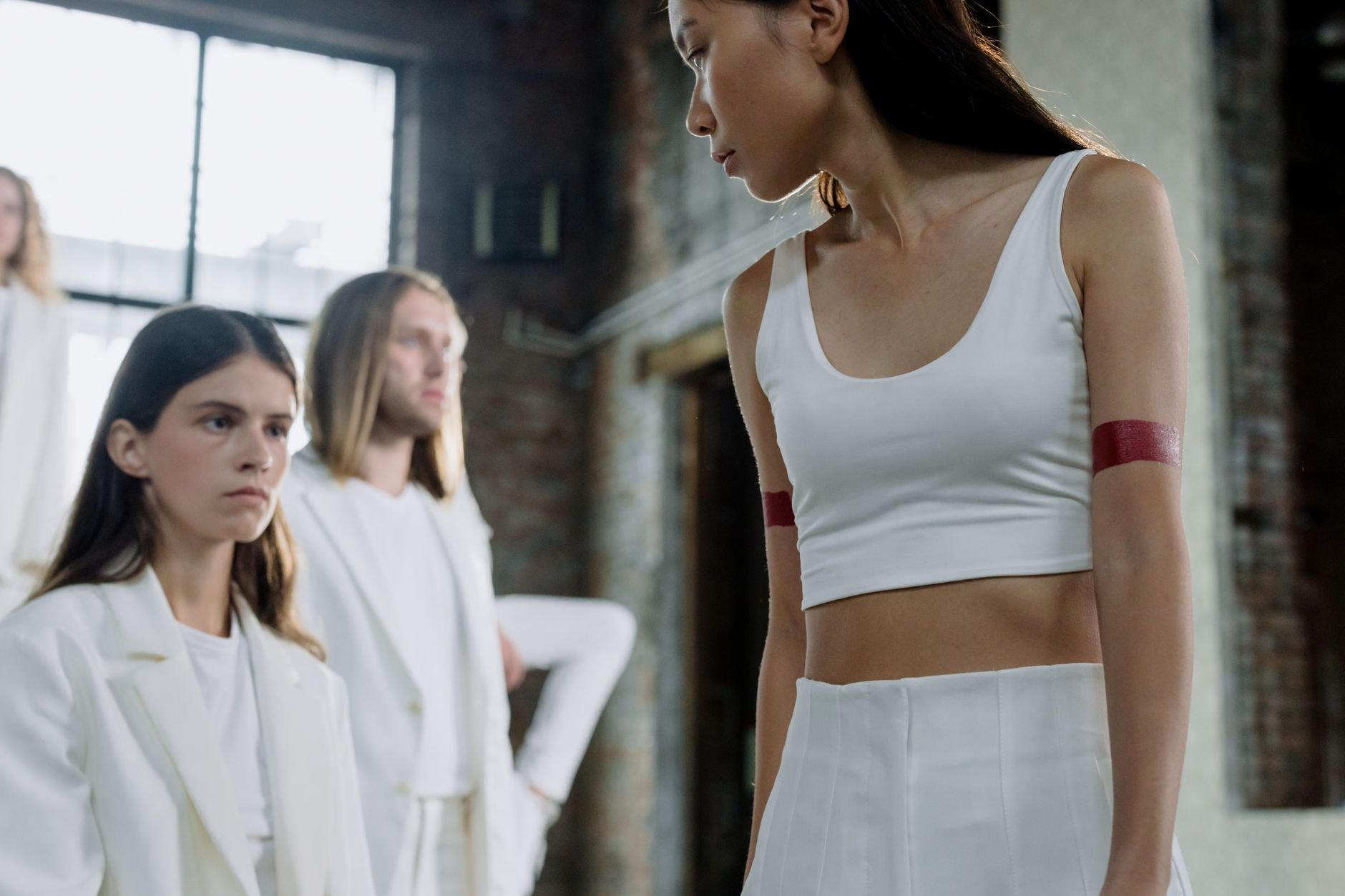
This slower rhythm allows for deeper connection, more authentic moments to unfold. There's less pressure to constantly perform for the camera, more space for genuine emotion to emerge. It's about finding the quiet beauty in between the poses, the unguarded expressions that reveal the true essence of a person. Whether I'm collaborating with a model from Dante's Models for a stunning portfolio update or working on a personal project documenting the changing faces of Chinatown, film helps me strip away the noise and truly see the person in front of my lens. This commitment to the craft, this devotion to the art of seeing, is what truly sets analog photography apart for me.
The Tangible Legacy: Prints and Portfolios
One of the most profound aspects of shooting film, for me, is the physical output. A digital file, no matter how high-resolution, exists primarily as pixels on a screen. A film negative, however, is a tangible object, a physical record of light and time. Holding a strip of developed negatives, seeing the tiny images imprinted there – it's a powerful experience. And when those negatives are transformed into a beautifully crafted print, whether a traditional darkroom print or a high-quality scan and archival inkjet print, it becomes an art object in itself.
There's a different emotional weight to a physical print. It’s something you can hold, touch, feel. It exists in the real world, not just in the digital ether. For models building their portfolios, a selection of impeccably printed film images speaks volumes. It showcases not just their beauty and versatility, but also a photographer's dedication to quality and a timeless aesthetic. It’s a statement, an investment in their craft and ours. We often encourage our models to incorporate film into their portfolios, understanding the unique edge it provides in a competitive industry. It’s not just about looking good; it's about presenting yourself as a serious artist, someone who understands the nuanced power of an image.
Finding New Clarity and Purpose
Ultimately, shooting film in a digital world isn’t about being nostalgic or stubbornly refusing progress. It’s about finding clarity, purpose, and a deeper connection to the act of creation. It’s about embracing the imperfections, celebrating the process, and understanding that sometimes, the most profound experiences come from slowing down and engaging more deeply. For me, it’s a constant reminder of why I picked up a camera in the first place: to capture beauty, to tell stories, to freeze moments in time with an authenticity that resonates.
This deliberate choice informs not just my personal projects, but also how I approach commercial work and our agency's ethos at Dante's Models. It’s about quality over quantity, intention over immediacy. It’s about creating images that not only look stunning but also feel something, images that stand the test of time, much like the analog process itself. Whether it’s the gritty charm of a film portrait shot in the alleys of Dumbo or the sophisticated elegance of a black-and-white editorial captured in the stately brownstones of the Upper West Side, film adds an undeniable layer of artistry and soul.
So, the next time you see me with a medium format camera slung over my shoulder, likely somewhere between the bustling markets of Union Square and the quiet streets of the West Village, know that I'm not just taking pictures. I'm chasing the unseen, embracing the ritual, and finding magic in every grain.
Ready to explore the timeless beauty of film for your next portfolio update or fashion editorial? Book a photoshoot with us at Dante's Models today at dantet9.com. Or, if you're curious about different photography techniques and want to elevate your craft, check out our free resources and tools at dantet9.com/tools.