The cherry blossoms at the Conservatory Garden last about twelve days. The magnolias near the Bethesda Fountain last maybe eight. Miss the window and you are shooting bare branches until next April. In Central Park, timing is everything.
The park covers 843 acres, and shooting there costs exactly zero dollars. What separates a forgettable park photo from a portfolio shot is knowing where to stand and when to show up. After seven years of shooting here every spring, these are the spots and timing we rely on.
Best Locations for a Spring Photoshoot in Central Park
Central Park stretches from Midtown up to Harlem and has many backdrops. These are the ones we shoot most.
- The Conservatory Garden (East 104th to 106th Street): One of our favorite spots. It is divided into French, Italian and English gardens. In spring the tulips, magnolias and crabapple trees are in bloom. It feels like a European estate, far from the Upper East Side, and it gives portraits good depth.
- Bethesda Terrace and Fountain (Mid-Park at 72nd Street): Grand and very New York. The terrace, the staircase and the Angel of the Waters fountain make a dramatic backdrop. The Minton tiles on the arcade ceiling are easy to miss and work for moody shots. The surrounding trees start to bloom and soften the stone.
- Bow Bridge and The Lake (Mid-Park, north of Cherry Hill): The cast-iron bridge is the draw, and the reflections on the lake are best around sunset. You can shoot on the bridge, at the water's edge or with rowboats for a playful look. Trees arching over the water frame the shot.
- The Ramble (Mid-Park, 73rd to 79th Street): For a wilder feel. It is dense woodland with winding paths, rustic bridges and hidden streams, a sharp contrast to the skyline. Green and dappled light suit editorial or fashion-forward shoots.
- Cherry Hill (Mid-Park, west of Bethesda Terrace): As the name says, some of the best cherry blossom trees are here. The hill is a gentle slope and often has less foot traffic than other blossom spots, so shots can feel more intimate. Dogwood trees nearby add more flowers.
- Gapstow Bridge (East 62nd Street): Near the Pond at the park's southeast corner. This rustic stone bridge looks onto the Midtown skyline through the trees. It is a classic Central Park shot and feels a bit more secluded than the bigger landmarks.
Timing Your Central Park Shoot
You can have the best location and still miss if the timing is off.
- Golden hour: This is photography 101, but it bears repeating. The hour after sunrise and the hour before sunset give soft, warm, diffused light.
- Morning golden hour (sunrise plus 1 hour): Our preference. The park is much less crowded, especially on weekdays, and the light is fresh. Getting there early takes effort, and it pays off.
- Evening golden hour (sunset minus 1 hour): Also good, but expect more crowds around Bethesda Terrace and Bow Bridge. Plan to be flexible and patient.
- Weekday or weekend: Try to schedule a weekday. The crowd difference is huge. On weekends Central Park is a festival, which can be fun but not for a focused shoot.
- Early, mid and late spring:
- Early spring (late March to mid-April): Magnolias, crocuses, daffodils and the first cherry blossoms, often around Cherry Hill or the Conservatory Garden. The light is still crisp and the trees are just budding.
- Mid-spring (late April to mid-May): Peak bloom for most cherry blossoms, dogwoods and tulips. The park is green. It is often the busiest time.
- Late spring (late May to early June): Full foliage, roses starting in the Conservatory Garden and warmer light. It leads into summer.
- Overcast days: Don't skip a cloudy day. Overcast skies act like a giant softbox, with even light that suits portraits, no harsh shadows and stronger colors. Just avoid active rain, unless you want a moody look.
To book a spring session in the park, or to join the agency roster, visit dantet9.com.
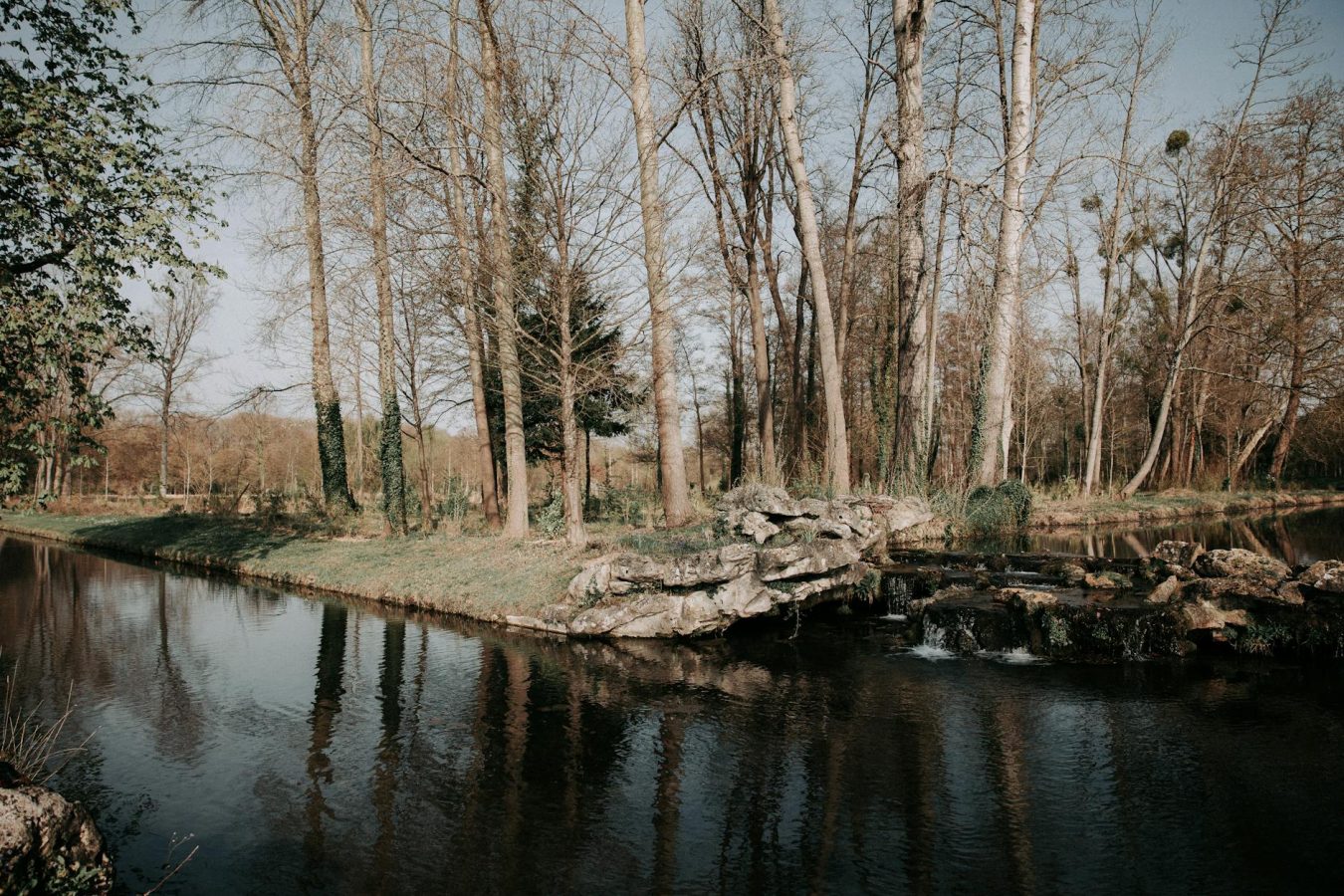
Photo by Manon Thvnd on Pexels