
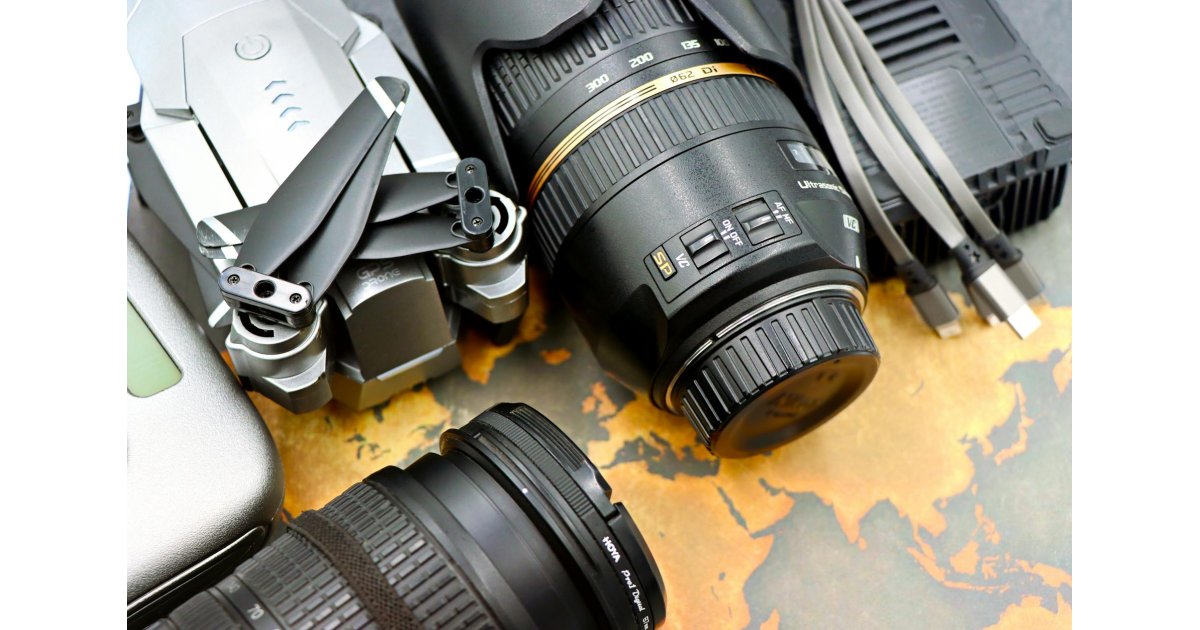
Yo, what's up, future photography legends of New York City? Dante T9 here, founder of Dante's Models and a guy who's spent the last seven years (and then some) capturing the soul of this city, one frame at a time. You've seen my work, you've seen my models, and you know I don't mess around. If you're just starting out, feeling that itch to grab a camera and turn the chaotic beauty of NYC into art, you've come to the right place.
Forget the endless gear reviews and the jargon-filled forums. I'm gonna break down the essential photography gear for beginners in NYC, real talk, no BS. This isn't about buying the most expensive stuff; it's about smart choices that let you learn, grow, and start making killer images right here in the greatest city on earth.
Recommended Camera Bodies: Your First Eye on the City
First things first: you need a camera. The debate between mirrorless and DSLR still rages, but honestly, both are fantastic. For beginners, it often comes down to budget and what feels right in your hands.
- Mirrorless Marvels: These are the future, no doubt. They're lighter, often have incredible autofocus, and what you see in the electronic viewfinder is exactly what you'll get in your shot. For my new shooters hitting the streets of Bushwick or trying to snag that perfect skyline shot from a rooftop in Midtown, a modern mirrorless is a game-changer. If you're looking for a killer entry point into this world, I've been really impressed with the Canon EOS R50. It's compact enough to carry around all day, shoots beautiful 4K video, and the image quality is top-notch for its class. It's got plenty of features to grow into without overwhelming you.
- DSLR Dynamos: Don't sleep on DSLRs! They're often more affordable, have a huge selection of lenses, and a robust, familiar feel. If you're more old-school or on a tighter budget, a classic like the Canon EOS Rebel T7 is still a workhorse. It's user-friendly, reliable, and will teach you all the fundamentals without breaking the bank. You can find these used for a steal, too, which is always a smart move for beginners.
Ultimately, the best camera is the one you will use. Hold a few, see what feels good, and don't get caught up in pixel-peeping before you've even shot your first portrait in Washington Square Park.
Essential Lenses: Your Perspective, Your Vision
The camera body is just the brain; the lens is the eye. This is where you really start shaping your photographic voice.
- The Versatile Zoom (Kit Lens): Most beginner cameras come with a "kit lens," usually an 18-55mm. Don't scoff at it! This is your workhorse for learning composition, understanding focal lengths, and experimenting with different perspectives, from wide-angle cityscapes to tighter street scenes. It's a fantastic starting point for exploring the diverse vibes of neighborhoods like the West Village or the Lower East Side.
- The Affordable Prime (Nifty Fifty): If there's one lens I tell every single one of my new photographers to get, it's a 50mm f/1.8. Seriously, the Canon EF 50mm f/1.8 STM is practically a rite of passage. It's sharp, incredibly affordable, and that wide f/1.8 aperture lets in tons of light, giving you those beautiful, creamy blurred backgrounds (bokeh) that make your subjects pop. It forces you to "zoom with your feet," improving your composition, and it's brilliant for portraits, street photography, and even low-light shots in a moody speakeasy. Trust me, you'll fall in love with it.
Basic Lighting Solutions: Shaping the NYC Glow
Natural light in New York City is a gift. From the golden hour hitting the brownstones of Brooklyn to the dramatic shadows cast by skyscrapers, learn to see and use it first. But when natural light isn't enough, you'll need a little help.
- Harnessing Natural Light: This is your best friend. Shoot near windows, use open doorways, find shaded areas on bright days. The light in NYC is constantly changing, offering endless opportunities. Watch how the light falls on people in Central Park or illuminates the architecture in Flatiron.
- Entry-Level Flash/Speedlight: A small external flash, often called a speedlight, is a game-changer for adding a professional touch. It lets you control light, fill in harsh shadows, or even create dramatic effects. Look for something like a Godox V860III – it's powerful, versatile, and won't break the bank. Learn to bounce it off walls or ceilings for softer light; direct flash is usually a no-go unless you're going for a specific, edgy look.
Must-Have Accessories: Don't Leave Home Without 'Em
The camera and lens are the core, but these accessories will make your life a whole lot easier and your shots a whole lot better.
- Tripod: Essential for sharp low-light shots, long exposures (think light trails on the Brooklyn Bridge at night), self-portraits, or anything where stability is key. A sturdy but portable one, like a Manfrotto, is a solid investment.
- Camera Bag: Protect your gear! A good bag will keep your camera safe from the elements and the bumps of subway travel. Find one that fits your gear comfortably and doesn't scream "expensive camera inside!"
- Memory Cards: You can never have too many. Invest in fast, reliable SD cards (UHS-II if your camera supports it) with decent capacity. Nothing worse than running out of space in the middle of a killer shoot in SoHo.
- Extra Batteries: NYC is a marathon, not a sprint. You'll be shooting all day, so spare batteries are non-negotiable.
- Camera Strap: Ditch the flimsy one that came with your camera. A comfortable, secure strap is a game-changer when you're lugging gear around. I swear by my Peak Design Camera Strap – it's quick to adjust, super comfortable, and built to last. It means your camera is always ready, not buried in a bag.
- Lens Cloth/Blower: Keep your glass clean! Smudges and dust are your enemies.
Tips for Practicing with Your New Gear in New York
You've got the gear, now what? Get out there! NYC is your ultimate studio.
- Explore Your Neighborhood: Start close to home. What makes your block unique? The bodegas, the fire escapes, the people?
- Hit the Landmarks (But Find New Angles): Everyone shoots Times Square, but can you find a fresh perspective? Try early mornings or late nights. Go to the Brooklyn Bridge, but focus on the details, the textures, the people, not just the postcard shot.
- People Watching: Street photography is huge here. Head to Union Square, Grand Central, or Coney Island. Ask for permission if you're getting close, but practice candid shots from a distance first.
- Chase the Light: Pay attention to sunrise and sunset. Golden hour over the skyline from Brooklyn Bridge Park? Magic.
- Learn Post-Processing: Your photos aren't finished until they're edited. Programs like Adobe Creative Cloud (Lightroom, Photoshop) are industry standards. Start with the basics – exposure, contrast, color – and make your images pop.
This city is a canvas, and your camera is your brush. Don't be afraid to experiment, make mistakes, and find your own style. That's how I started, and that's how you'll carve out your own space in the New York photography scene.
Ready to take your passion to the next level? When you're ready to step in front of the lens or need a pro to capture your vision, hit me up at dantet9.com. We're always looking for fresh faces for our model roster, and I'm always down to create some iconic imagery. Now go out there and shoot!
This post contains affiliate links. If you purchase through these links, we may earn a small commission at no extra cost to you. This helps us keep creating free content and tools for the photography community.
Photo by Marta Branco on Pexels