
The sun was dipping behind the skyscrapers of Midtown, casting long, dramatic shadows down 42nd Street. I had a test shoot with a fresh face from Dante's Models, aiming for that gritty, high-fashion vibe right by Grand Central. Problem? The light was falling fast, and the side of her face was already half-eclipsed by a passing bus. But I wasn't sweating it. A quick pop of my strobe, feathered just right, and suddenly her eyes were sparkling, the concrete behind her perfectly exposed, and we nailed the shot before the "Don't Walk" sign even blinked. That, my friends, is the power of portable lighting in this city that never sleeps – or stops throwing curveballs at your ideal shot.
The NYC Hustle: Why Portable Lighting is Non-Negotiable
New York City is a photographer's dream and a lighting nightmare, all rolled into one. One minute you're battling harsh midday sun bouncing off glass towers in Hudson Yards, the next you're trying to find a spark in the deep shadows of an alley in the West Village, or bringing life to a late-night street scene in Dumbo. From the unpredictable weather to the ever-changing light of the urban jungle, relying solely on natural light here is like trying to navigate the subway without a map – you might get there, but it'll be a struggle.
For any serious photographer looking to elevate their model portfolios or deliver consistent, professional client work, portable lighting isn't just an accessory; it's an absolute necessity. It gives you control, consistency, and the ability to craft your vision, no matter what Mother Nature or the concrete jungle throws at you. You want to make your models stand out against the chaos of Times Square? You need light. You want that editorial glow in Central Park at sunset? You need light.
Strobes vs. Continuous LEDs: Picking Your Poison (The Good Kind)
When we talk portable lighting, we're generally looking at two main contenders:
- Strobes (Flashes): These are powerhouses. They fire a burst of intense light for a fraction of a second, perfect for overpowering harsh sun, freezing action, and creating dramatic looks. Their short flash duration means sharper images, and they typically offer more power in a smaller package compared to continuous lights. The downside? What you see isn't always what you get until the flash fires, though modern TTL systems help a lot.
- Continuous LEDs: These lights stay on, so you see exactly how the light falls on your subject before you even press the shutter. This "what you see is what you get" (WYSIWYG) aspect makes them fantastic for beginners, video work, and fine-tuning subtle light sculpts. They're generally softer and more forgiving, but often less powerful than strobes, especially when battling bright ambient light.
For me, having a mix is ideal, but if I'm hitting the streets of Bushwick for a fashion editorial, I lean heavily on strobes for sheer power and versatility.
My Go-To Portable Lighting Kits for NYC Shoots
You don't need a truckload of gear to make magic happen on the streets of Manhattan or the piers of Brooklyn. Smart choices are key.
-
The Versatile Speedlight System: For sheer portability and punch, a good speedlight setup is hard to beat. I've been running the Godox V860III Flash for years, and it's a workhorse. It's got plenty of power for single-light setups, can overpower the sun for dramatic portraits, and the integrated lithium battery means fast recycle times and tons of pops on a single charge. Pair two of these with some small modifiers, and you can light almost anything from a quick headshot in Bryant Park to a full-body fashion shot in front of the Brooklyn Bridge. It’s compact enough to throw in a backpack, making it perfect for those run-and-gun shoots where you're moving from SoHo boutiques to Greenwich Village brownstones in a single afternoon.
-
The Soft & Steady LED Panel: When I need consistent, soft fill light, or if I'm shooting video alongside stills (which is often the case with my agency's talent), an LED panel is invaluable. The Neewer 660 LED Panel is a solid, budget-friendly option that delivers. It’s bi-color, so you can match ambient light from dawn to dusk, and it's lightweight. I use it to add a subtle catchlight, open up shadows on a model's face when shooting under an awning, or provide a soft, constant glow for video interviews with talent in a quieter corner of the Meatpacking District. Just remember, these generally need more battery power than a speedlight for extended use, so pack extra.
Essential Sidekicks: Modifiers & Power
Having the light source is only half the battle. How you shape and control that light is where the real artistry comes in.
- Light Modifiers: My absolute essentials for on-location work are a small collapsible softbox (like a 24-inch octabox) for my speedlights, a white translucent umbrella for a broader, softer spread, and a grid for more directional light. These turn a harsh bare flash into something beautiful, giving that high-end look to your model's skin and features. Don't forget a reflector – sometimes all you need is to bounce a little natural light back into the shadows.
- Power Solutions: Extra batteries are a given for both your camera and your lights. For speedlights, those Godox lithium batteries are fantastic, but I always carry a spare. For LED panels, you'll want NP-F style batteries or, for longer shoots, a V-mount battery if your panel supports it. And a good, sturdy but lightweight light stand is crucial. You don't want your gear tipping over in a gust of wind by the waterfront! Sometimes, even a reliable tripod like a Manfrotto Tripod can double as a light stand in a pinch for lighter setups, offering more stability on uneven city streets.
Practical Tips for NYC City Shoots
Okay, you've got the gear. Now let's talk about putting it to work like a true New Yorker.
- Scout Your Locations: Before the model even steps foot on set, know your light. Where will the sun be? Where are the shadows? How can the city's architecture act as a natural reflector or diffuser? The side of a white building in Tribeca can be a giant softbox!
- Overpower the Sun: This is where strobes shine. Position your model with the sun behind them for a beautiful rim light, then use your strobe to light their face, making them pop against the bright background.
- Add Catchlights: Even subtle fill light from an LED panel can add that spark to a model's eyes, making them look alive and engaging.
- Work Fast & Be Flexible: NYC is dynamic. The light changes, the crowds move, opportunities appear and disappear in an instant. Be ready to adjust your setup, move your model, and shoot quickly. Practice makes perfect.
- Safety First: Always be aware of your surroundings, especially with stands and cables. Don't block pedestrian traffic, and consider sandbags for your stands, especially on windy days near the water.
Elevate Your Vision, Elevate Your Portfolio
Mastering portable lighting is a game-changer. It allows you to create studio-quality images anywhere in New York City – from the vibrant energy of Dumbo to the classic elegance of the Upper East Side. For models, this means a portfolio filled with dynamic, professionally lit images that truly showcase their versatility and beauty. For clients, it means consistent, high-impact results that stand out in a crowded market.
At Dante's Models, we pride ourselves on delivering exactly that: imagery that commands attention. With the right portable lighting, you’re not just taking pictures; you’re crafting art, controlling the narrative, and making your subjects shine, no matter where in this incredible city you find yourself.
Ready to see how professional lighting can transform your look? Book a photoshoot with Dante's Models at dantet9.com or inquire about joining our roster of top talent!
This post contains affiliate links. If you purchase through these links, we may earn a small commission at no extra cost to you. This helps us keep creating free content and tools for the photography community.
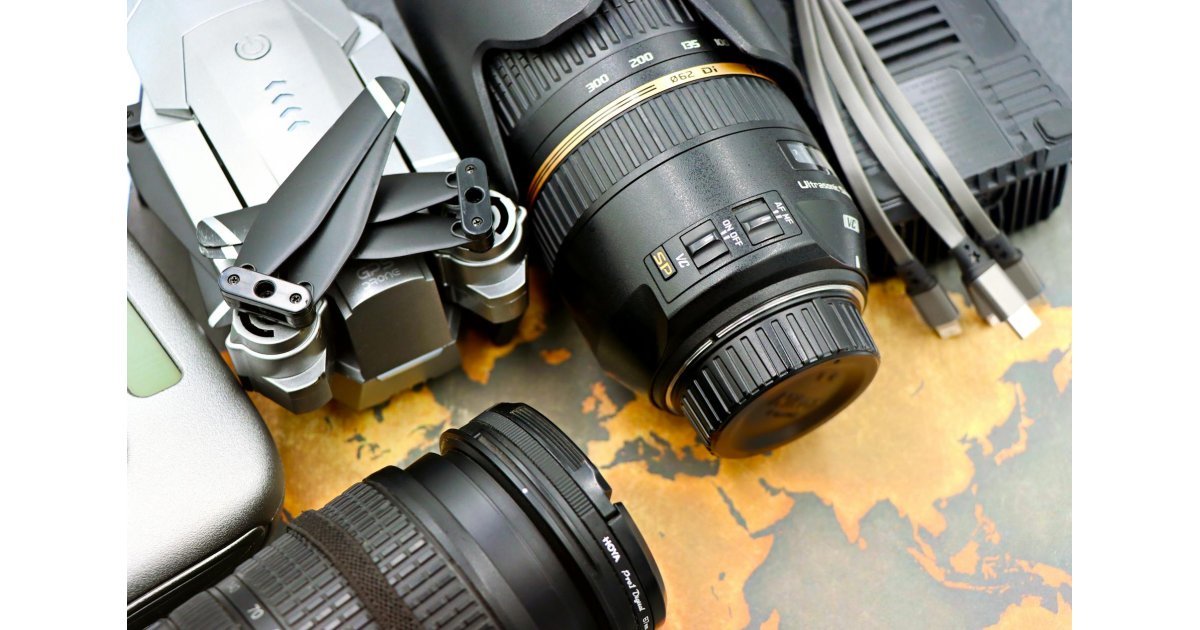
Photo by Marta Branco on Pexels