You know that feeling? The rumble of the L train beneath your feet, the blur of yellow cabs streaking down 5th Avenue, the sudden burst of energy from a street performer in Washington Square Park. It’s not always perfectly sharp, perfectly still. It’s vibrant, it’s alive, it’s a beautiful mess. And for too long, as photographers, we've been conditioned to fight that beautiful mess, to chase an elusive, sterile crispness. But I’m here to tell you, as a NYC photographer with mud on my boots and a camera perpetually slung over my shoulder, that some of the most compelling stories, the most powerful emotions, are found precisely in that delicious, intentional blur.
Beyond the Crisp: Why I'm Chasing the Blur
Let's be honest, the digital age, with its ever-increasing megapixel counts and sharper-than-sharp lenses, has created a certain obsession with pixel-peeping perfection. And don't get me wrong, there's absolutely a time and place for razor-sharp focus, for capturing every pore and every eyelash in stunning detail. We do it all the time for high-fashion editorials and commercial campaigns here at Dante's Models. But what if we're missing something truly fundamental to the human experience, something that transcends static beauty?
For me, chasing the blur isn’t about making a mistake; it’s about making a statement. It’s about capturing the essence of movement, the fleeting moment, the raw energy that defines life in a city like New York. Think about a dancer mid-pirouette in a studio in Chelsea, or a skateboarder carving through the ramps at Pier 62. A perfectly frozen shot might show their form, but a touch of motion blur can convey the speed, the grace, the power of their action. It's the difference between seeing a photograph of a moment and feeling the moment itself.
Finding the Pulse: Techniques for Capturing Raw Energy
So, how do we intentionally introduce this magic into our images? It’s not just about shaking your camera, although sometimes a little controlled shake can be part of the arsenal! It's about understanding light, shutter speed, and the subject’s movement.
Shutter Speed is Your Best Friend (and Enemy)
This is the cornerstone. To capture motion blur, you need a slower shutter speed. How slow? It depends entirely on what you're trying to achieve and how fast your subject is moving. For a subtle, painterly blur of a model walking down a cobblestone street in the West Village, you might start around 1/30th of a second. For a dramatic streak of a subway train pulling into the Grand Central station, you could be looking at 1/8th or even 1/4th of a second. Experimentation is key here. I often bracket my shots, trying a range of shutter speeds to see what effect works best.
Panning for Dynamic Backgrounds
One of my favorite techniques, especially for our models on location shoots, is panning. This involves tracking your moving subject with your camera as you press the shutter at a slower speed. The goal is to keep your subject relatively sharp while the background blurs into streaks, creating a powerful sense of speed and direction. Imagine a model striding purposefully across the Brooklyn Bridge – panning with them as they move creates an incredible dynamic image, making the iconic bridge seem to fly by. It takes practice, a steady hand, and a lot of core strength, especially when you’re lugging professional gear around the city, but the results are incredibly rewarding.
Intentional Camera Movement (ICM)
Sometimes, the blur isn't about the subject moving, but the camera moving. This is where ICM comes in. You might rotate the camera during a long exposure, or sweep it horizontally or vertically. I’ve used ICM to create abstract, dreamlike portraits of models in our natural light studio in DUMBO, or to turn the twinkling lights of Times Square into a mesmerizing swirl of color. It's a less controlled technique, but that's part of its charm. It allows for serendipitous moments and truly unique, artistic expressions.
It's Not a Mistake, It's a Mood: Embracing Imperfection
Let's dispel a myth: a blurry photo isn't always a "bad" photo. In fact, for us at Dante’s Models, it can be an incredibly powerful tool for conveying emotion, atmosphere, and a story that transcends the purely descriptive. Think about the energy of a fashion show – the models are moving, the lights are flashing, there’s a frenetic energy. A perfectly frozen shot might feel sterile, but a shot that embraces the blur can capture that raw excitement, that fleeting glimpse of beauty in motion.
We often use this approach for our more artistic test shoots. It allows our models to explore different facets of their expressions and movements without the pressure of absolute static perfection. It frees them to truly perform for the camera, knowing that the camera itself will interpret that performance in a unique, evocative way. It’s about creating a mood, an emotional resonance, rather than simply documenting a scene. The "imperfection" becomes the very essence of the art.
When to Lean into the Blur: Storytelling Through Motion
Knowing when to embrace the blur is just as important as knowing how. It's a conscious artistic choice, not a default setting.
Capturing Emotion and Vulnerability
Blur can be incredibly effective in conveying strong emotions. A slight blur around a model’s face as they’re lost in thought, or a gentle motion blur around their hands as they gesture passionately, can add a layer of vulnerability and authenticity that a perfectly sharp image might lack. It suggests movement, thought, and feeling that extends beyond the single captured frame. We often look for these moments during intimate portrait sessions in our studio, letting the lens pick up on the subtle shifts in emotion.
Highlighting Energy and Action
This is perhaps the most obvious application. For action shots – a dancer leaping, an athlete in motion, a musician lost in their performance – blur is your secret weapon. It elevates the image from a mere freeze-frame to a dynamic narrative. Imagine a street photographer capturing the blur of pedestrians rushing through Grand Central Terminal; it tells a story of urban life, of constant movement and countless individual journeys converging.
Creating Abstract and Artistic Interpretations
Sometimes, the blur isn't about making sense of a scene, but about deconstructing it. By using extreme motion blur or ICM, you can transform ordinary subjects into abstract art. A skyline shot with a long exposure and intentional camera movement can become a vibrant, painterly interpretation of the city. This approach is fantastic for creating unique, editorial-style images that challenge the viewer's perception and add a touch of avant-garde flair to a model’s portfolio.
Beyond the Camera: Post-Processing & Refinement
While the magic happens in-camera, post-processing plays a crucial role in refining and enhancing your motion-blurred images. It's not about adding blur in Photoshop (unless you're going for a very specific effect), but about finessing what you've already captured.
Selective Sharpening and Contrast
Even with motion blur, you often want a point of interest to still have some definition. Perhaps the model's eyes, or a specific detail of their outfit. You can use selective sharpening techniques in Adobe Lightroom or Photoshop to bring out these details without compromising the overall blurred effect. Adjusting contrast can also help define the blurred shapes and add depth to the image, making the motion feel more impactful.
Color Grading for Mood
Color grading is incredibly powerful when working with blurred images. The soft, ethereal quality of motion blur can be amplified or contrasted by your color choices. A cool, desaturated palette might evoke a sense of calm or mystery, while warm, vibrant tones can enhance the feeling of energy and dynamism. We often experiment with different color grades to match the mood we're trying to convey for a specific campaign or model's lookbook. It's about pulling the whole image together, making the blur an intentional element of the overall aesthetic.
The NYC Perspective: Embracing the Chaos
In New York City, chaos is the canvas. The constant motion, the diverse array of people, the ever-changing light – it’s a photographer’s dream and a challenge. Learning to embrace the blur here isn't just an artistic choice; it's almost a necessity. You can't always control the crowd in Union Square or the speed of a passing bus on the Lower East Side. Instead of fighting it, we often lean into it, turning the city’s inherent dynamism into an advantage.
From the fleeting expressions of commuters at Penn Station to the vibrant energy of a block party in Harlem, motion blur allows us to capture the very essence of what makes NYC so utterly unique. It’s about telling stories that feel real, alive, and undeniably New York. It's about capturing the pulse.
Ready to tell your story with raw energy and captivating movement? Whether you're a seasoned pro looking for a dynamic portfolio update or just starting your modeling journey and want to make a powerful first impression, Dante's Models specializes in creating images that stand out. Book a photoshoot with us today and let's capture your unique pulse, or explore our free tools to enhance your photography at dantet9.com/tools.
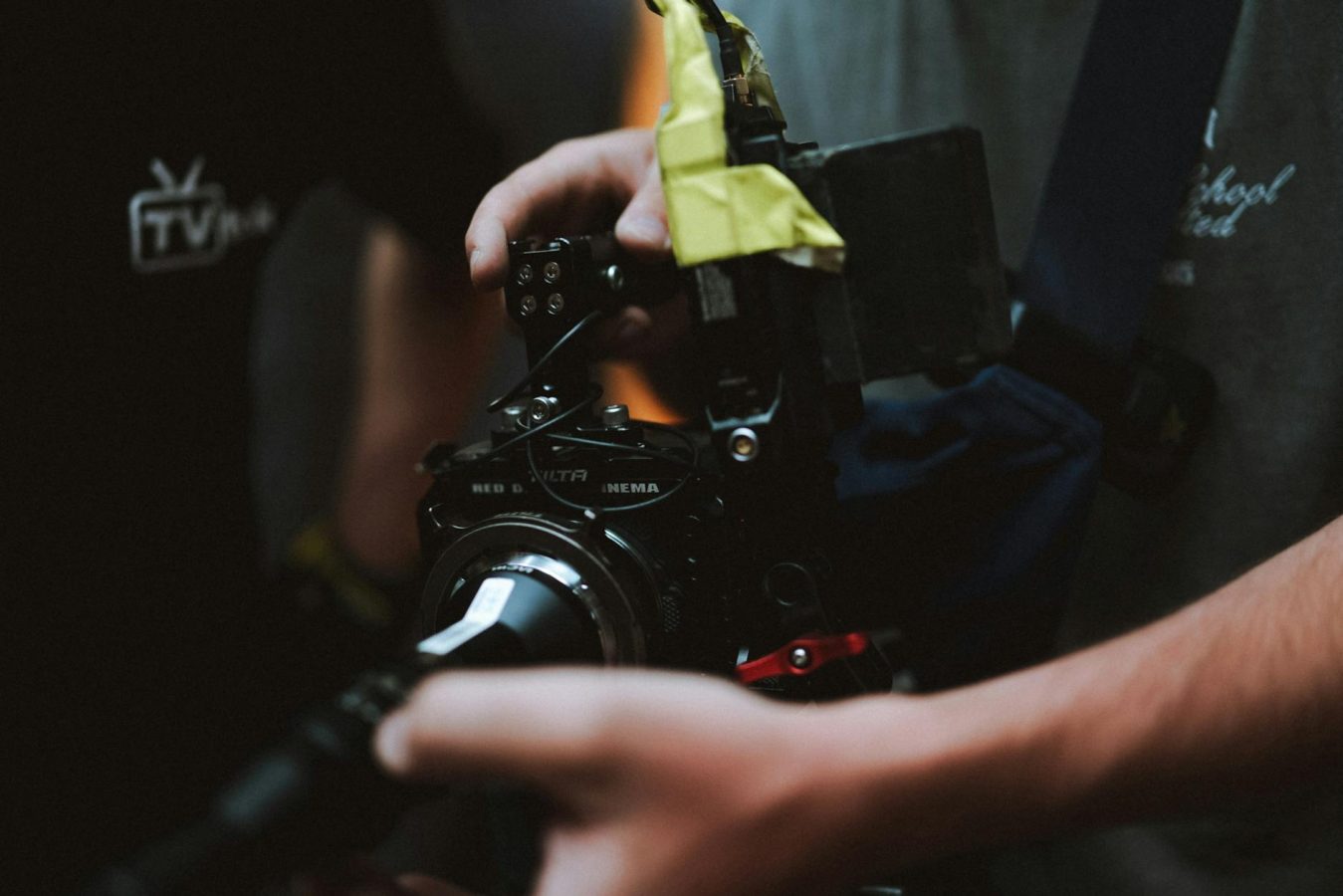
Cover photo by danuwira01 on Pixabay.
Photo by Maksim Romashkin on Pexels