New York is where a lot of aspiring models want to work, and it is a hard market to break into. You need a portfolio that shows range, and a test shoot is how you get one. It is not a casual photoshoot. It is a planned, collaborative session to produce varied, high-quality images for a model's book.
At Dante's Models, a New York City photography studio and modeling agency, the test shoot is your visual resume. Agencies and casting directors use it to decide whether you have what it takes. This is how the process runs, from first concept to final delivery.
Pre-shoot planning
A test shoot is planned well before the camera clicks.
Concept development
Every shoot starts with a clear vision: the mood, the style and the story. Are we going for high-fashion editorial, commercial versatility or a clean beauty look? We ask the model what kind of modeling they want and build the concept around it. We work with the model on strengths and career goals, and on what the New York market needs. That can include checking current trends in the NYC fashion scene or picking New York backdrops for inspiration.
The team
A test shoot is not a one-person job.
- Photographer. Our photographers specialize in new talent. They guide the posing, manage the lighting and make the concept work.
- Stylist. The stylist picks outfits, accessories and shoes that suit the concept and the model's look. This often means sourcing pieces from local NYC boutiques or designer showrooms.
- Makeup artist (MUA) and hair stylist. Hair and makeup are non-negotiable. They shape a look that works for the model's features, adapts to each wardrobe change and moves from a natural glow to a dramatic high-fashion look.
Wardrobe and location
With the concept and team set, we sort out logistics.
- Wardrobe. The stylist works with the model and photographer on a range of outfits so the shoot has several distinct looks. We often include both classic pieces and more fashion-forward items that fit the NYC scene.
- Location or studio. We have a photography studio in New York City with professional lighting and a choice of backdrops for a controlled, polished look. We can also shoot on location, using New York backdrops such as the West Village, SoHo or Central Park. On-location shoots in the city mean thinking about permits and logistics.
Shoot day
Model preparation
Before you arrive, get plenty of rest, drink water, and come with clean, product-free hair and a fresh face. That gives the MUA and hair stylist a clean start. Come ready to take direction, try poses and trust the team. A test shoot is a performance, and confidence shows in the picture.
On set
The MUA and hair stylist build the first look while the photographer and stylist go over the shot list and make final adjustments.
- Communication. The photographer guides you through poses, expressions and movement and gives feedback as you go. Ask questions or suggest ideas. It is a collaboration.
- Energy and posing. Keep your energy up as the looks change. The photographer helps you find your best angles and shows you how to convey different emotions with your body and face. We aim to make models comfortable, and that shows in natural-looking photographs.
Camera and lighting
The photographer keeps adjusting the technical side.
- Lighting. That can be natural light from a large window in our New York City studio, studio strobes for a dramatic look or continuous lights for a softer one. Lighting changes the mood a lot, from high-key, bright and airy to low-key, dark and moody.
- Lenses and settings. The lens (for example a wide-angle for full-body shots or a prime for intimate portraits) and the settings (aperture, shutter speed, ISO) are chosen for sharpness, depth of field and exposure.
The range of looks
The goal is a varied set of images. Over the day the model goes through several wardrobe, hair and makeup changes.
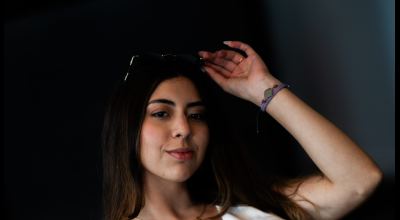
- Clean headshots. Needed for agency submissions. They show only the face: bone structure, skin and eyes.
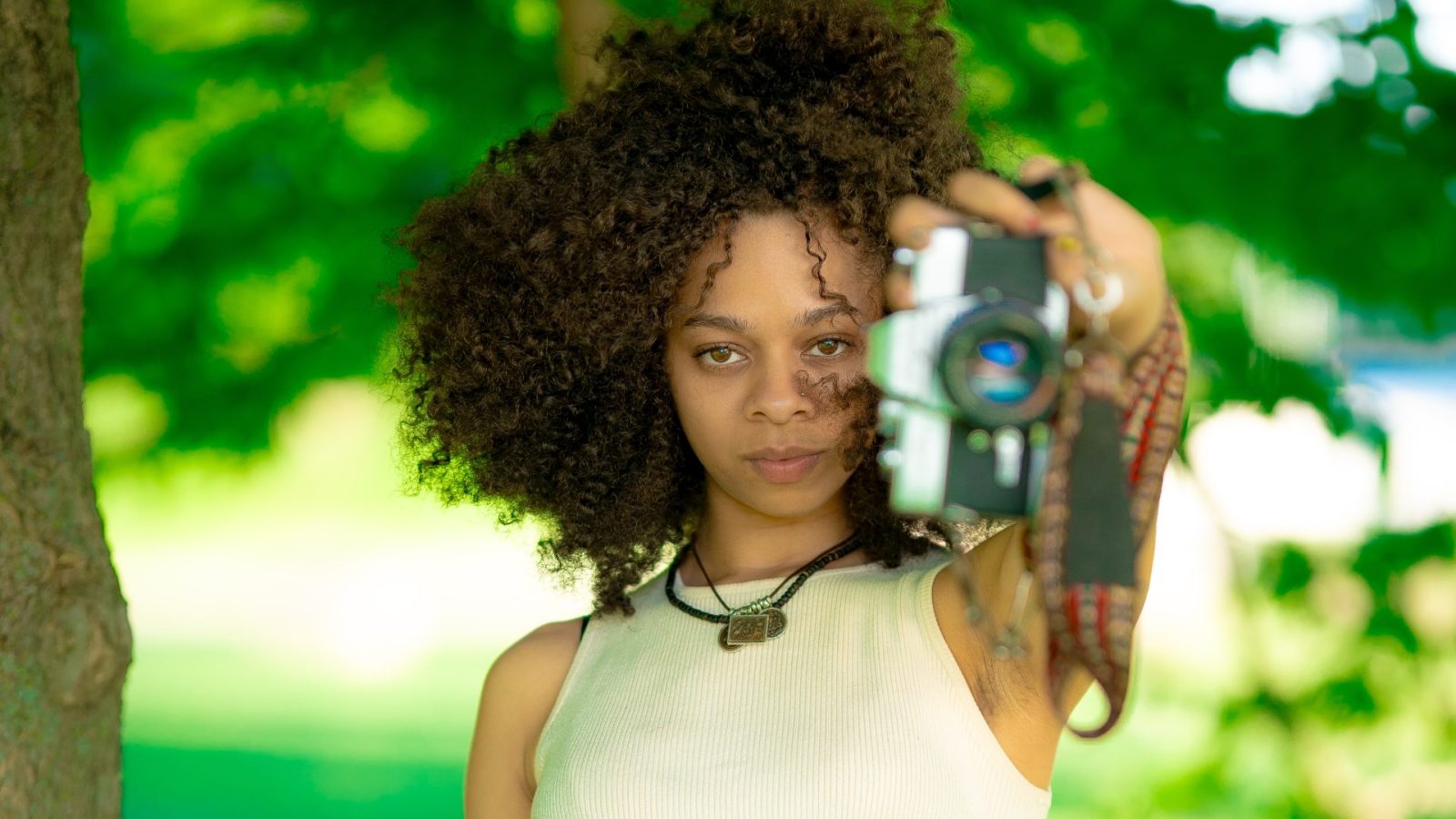
- Beauty shots. They focus on skin, makeup and the model's features.
- Full-body shots. Important for fashion and commercial work. They show your physique, your movement and how you wear clothes.
- Editorial and fashion shots. More conceptual, telling a story and showing a wider range of emotion and dynamic poses.
- Commercial shots. A more relatable, approachable expression, for advertising work.
That variety is what makes a portfolio stand out among other aspiring models in NYC.
Post-production
Culling
After the shoot the photographer goes through hundreds, sometimes thousands, of images and picks the strongest for technical quality, composition, expression and fit with the concept. We often bring the model into the final selection, because they have a view on which images represent them best. We look for images that tell a story and show range.
Retouching
Retouching improves the images while keeping them honest. It does not change how the model looks.
- Color correction and grading. Consistent color and tone across the set, with brightness and contrast adjusted.
- Skin retouching. Remove temporary blemishes and even out skin tone without making the skin look plastic.
- Minor fixes. Flyaway hairs, lint on clothing and small background distractions.
Final delivery
When retouching is done, you get the final high-resolution digital files, ready for your online portfolio, comp cards, agency submissions and social media. We also advise on how to present them to agencies and casting directors.
What a test shoot gets you
A test shoot gives you a varied portfolio that shows your potential and your range. That is what opens doors to modeling agencies in NYC and gets you into casting calls and, eventually, paid work.
Because Dante's Models is both a New York City photography studio and a modeling agency, we can take you from the concept to the shoot in our studio, and then advise on getting signed in the NYC market.
To learn about our test shoot packages and modeling agency services, visit dantet9.com.