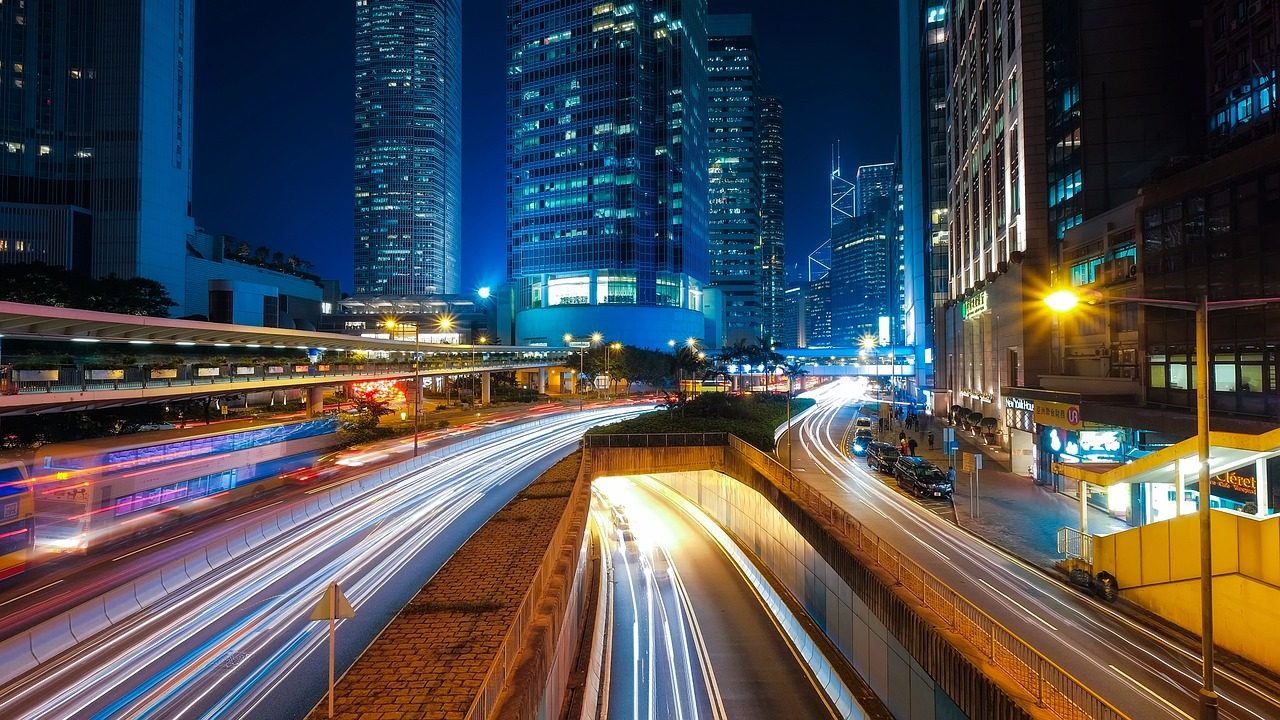
The golden hour in New York City is a fleeting, exquisite dance. You know it – that ethereal glow that bathes the brownstones of the West Village in liquid gold, or casts dramatic, elongated shadows down the canyons of Midtown. It’s the light that makes even the grittiest Lower East Side alley look like a movie set. But here’s the brutal truth: that magic lasts maybe thirty minutes, if you’re lucky, and often when you’ve finally got your model positioned just right, or the perfect outfit change is complete, it’s already gone. As a working photographer in this city, waiting for the perfect natural light is a luxury I often can't afford. My clients expect consistency, and sometimes, the best shoots happen when the sun is directly overhead, or worse, long after it’s dipped below the horizon, leaving us with nothing but the city’s artificial glow. That's where the real artistry, and a little bit of technical wizardry, comes in.
The Elusive Golden Hour: A Photographer's Struggle
Every photographer has chased it, cursed it, and celebrated it. The golden hour is that precious window of time shortly after sunrise or before sunset when the sun's light is softer, warmer, and more diffused. It sculpts faces, adds a dreamy quality to hair, and paints the urban landscape in hues of orange, red, and gold. In a city like New York, with its towering skyscrapers and narrow streets, finding uninterrupted golden hour light can be like finding a quiet moment in Times Square – rare and precious. One minute you have it, the next a building casts a massive shadow, or the light shifts just enough to lose that perfect angle.
I’ve had countless shoots in Dumbo where we’re battling the shadows creeping up the Manhattan Bridge, or trying to catch that last sliver of sun reflecting off a building in Chelsea before it vanishes completely. Relying solely on natural light often means compromising on location, timing, or even the client’s vision. It forces you to be reactive, to chase the light rather than create it. For a long time, I felt that frustration acutely. I loved the look of natural light, but I needed a way to control it, to extend its life, or even conjure it out of thin air when the natural conditions simply weren’t cooperating.
Bottling the Magic: Off-Camera Flash to the Rescue
This is where off-camera flash (OCF) becomes less of a technical tool and more of a magic wand. For years, I resisted using OCF for "natural light" looks, fearing it would look artificial, too "strobey." But the game has changed dramatically with modern equipment and a deeper understanding of light shaping. My goal isn't to blast my subjects with harsh light, but to mimic the quality of that coveted golden hour, to extend its presence, or even invent it when the sun is at its harshest midday peak. It’s about being proactive, about dictating the light rather than being dictated by it.
The beauty of OCF, especially with powerful units, is the ability to overpower or balance with ambient light. If I’m shooting at 2 PM on a bright summer day in the Flatiron District, with harsh overhead sun creating unflattering shadows under my model's eyes, I can place a softbox with a strobe to her side, simulating the direction and quality of a setting sun. This allows me to keep my aperture wide open for that dreamy bokeh, expose for the ambient background, and then dial in the flash to perfectly illuminate my subject, lifting shadows and adding a gorgeous, warm glow. It’s not about making the flash obvious, but making the light beautiful and intentional.
The Godox AD800 Pro: My Golden Hour Workhorse
To achieve these consistent, punchy results, I need a strobe that’s reliable, powerful, and versatile. The Godox AD800 Pro has become an absolute staple in my bag, a true workhorse that has allowed me to push the boundaries of what's possible with artificial light in natural settings. I've tried various systems over the years, from smaller speedlights to bulkier studio strobes, but the AD800 Pro strikes that perfect balance of power, portability, and consistency.
What makes it stand out for me, especially in the demanding environment of NYC, is its sheer output. When I’m trying to overpower a bright midday sun on the Brooklyn Bridge, or illuminate a model against the vibrant, late-night neon of Times Square, I need a light that can cut through the ambient. The AD800 Pro delivers. Its robust build means I don't have to baby it when I'm lugging it around the subway or setting up quickly on a busy street corner. The consistent color temperature is also a massive win; it means less time color correcting in post-production and more time focusing on the creative aspects of the shoot. It's been incredibly reliable and powerful enough for almost anything I throw at it, making it a staple in my kit. (Full disclosure: This post contains an affiliate link for the Godox AD800 Pro on Amazon, which helps support my blog at no extra cost to you. Check it out here: https://www.amazon.com/dp/B0GGH4Y4SJ?tag=dantet9-20)
Real-World Setups: From Sunset Extension to Midday Magic
Let me walk you through a couple of recent scenarios where the AD800 Pro truly shone. One evening, we were shooting a portfolio update for a model down by the waterfront in Greenpoint, with the Manhattan skyline in the background. The sun was dipping fast, and within minutes of starting, that beautiful golden light was fading. Instead of packing up, I grabbed the AD800 Pro, popped on a 36-inch octabox with a grid, and positioned it off-camera to the model's right, mimicking the direction the sun would have been. I dialed in the power, set my camera to expose for the ambient twilight, and then added just enough flash to illuminate her with that warm, soft glow. The result? Images that looked like they were shot at the peak of golden hour, even though it was well into blue hour. The power of the AD800 Pro allowed me to keep my ISO low and maintain incredible detail, both on the model and the fading city lights in the background.
Another example: a commercial shoot in SoHo, right in the middle of a blazing summer afternoon. The client wanted a "natural, sun-kissed" look, but the sun was directly overhead, creating harsh shadows and squinting. I used the AD800 Pro with a large parabolic softbox, positioned high and slightly to the side of the model. I exposed for the bright, sunny background, letting it be a little overexposed to enhance the "sunny" feel, and then used the AD800 Pro to act as my main "sun." By feathering the light and adjusting its intensity, I created beautiful, soft highlights and filled in those harsh shadows, making it appear as if the sun was lower in the sky and illuminating her perfectly. It looked completely natural, but I had full control over the light’s direction and quality.
Balancing Ambient and Shaping Shadows
The key to making off-camera flash look natural isn't just about adding light; it's about balancing it with the existing ambient light and shaping the shadows. This is a nuanced dance. If you just blast your subject with light, it will look artificial. The goal is to blend. I often start by setting my camera's exposure for the background – the cityscape, the park, the street scene. Once the ambient light looks good, I introduce the flash.
With the AD800 Pro, I can adjust the power in precise increments, allowing me to feather the light delicately. I'll experiment with its position relative to the subject – slightly above, to the side, or even behind for a beautiful rim light effect. Modifiers are crucial here. A large softbox or an octabox diffuses the light, making it softer and more flattering, mimicking the large light source of the sun. Grids help control spill, directing the light precisely where I want it and preventing it from washing out the background. This meticulous control over light direction and quality is what allows me to create depth, sculpt features, and maintain that natural feel, even when I'm dictating every photon hitting my subject. It’s about creating shadows that look believable, not flat, and highlights that glint like natural sunlight.
The Freedom of Creative Control
Ultimately, mastering off-camera flash, especially with a powerful and reliable unit like the Godox AD800 Pro, grants me immense creative freedom. It means I'm no longer at the mercy of the sun's schedule or the whims of changing weather. I can confidently plan shoots for any time of day, knowing I can create the light I need. This is invaluable in a fast-paced city like New York, where location permits are time-sensitive and models' schedules are packed.
This control allows me to push my creative boundaries. I can experiment with dramatic lighting setups in broad daylight, or conjure the warmth of a setting sun long after it's gone. It means my clients get consistent, high-quality results regardless of external conditions, and my portfolio reflects a versatility that only comes from truly understanding and controlling light. From the gritty backstreets of Bushwick to the polished avenues of the Upper East Side, the ability to sculpt light gives me the power to tell my story exactly as I envision it, without compromise. It transforms me from a light-chaser into a light-creator, which is a powerful feeling for any artist.
Take Control of Your Light
Don't let the fleeting magic of the golden hour dictate your creative vision. Embrace the power of off-camera flash and learn to create that beautiful, consistent light whenever and wherever you need it. Whether you're a seasoned pro or just starting your journey, understanding how to shape and control light is a game-changer for your photography. If you're ready to elevate your portfolio and capture stunning images regardless of the natural light conditions, then it's time to take control.
Ready to see what consistent, beautiful light can do for your look? Book a photoshoot with Dante's Models today and let us bring your vision to life, no matter the time of day, at dantet9.com. Or, if you're a fellow creator looking to refine your craft, check out our free tools and resources designed to help you master your lighting at dantet9.com/tools.