Dante's Models
Photography & Model Management
Back to Blog
tips

Mastering Natural Light Photography in NYC: Tips for Models

Mastering Natural Light Photography in NYC: Tips for Models

The hustle and bustle of New York City, the iconic skyline, the vibrant street life – it’s a photographer’s dream, and for models, it’s an unparalleled backdrop. But what truly elevates a good shot to a great one, especially when you’re out there on the streets of Manhattan or Brooklyn? It’s mastering natural light. As a photographer who has spent years chasing the perfect glow from the cobblestones of Dumbo to the leafy paths of Central Park, I can tell you that understanding and utilizing natural light is the single most powerful tool a model can leverage to truly shine in their portfolio. Forget fancy studio setups for a moment; the raw, unadulterated beauty of natural light can transform your images from flat to phenomenal, creating an authenticity and dynamism that artificial lighting often struggles to replicate. Let’s dive into how you, as a model, can harness this incredible resource right here in our concrete jungle.

The Power of the Sun: Timing Your Shoot for Success

When we talk about natural light, we're essentially talking about the sun. And just like real estate, timing is everything. The quality, direction, and intensity of sunlight change dramatically throughout the day, and knowing these shifts is crucial for models looking to optimize their outdoor shoots.

Golden Hour: The Photographer's Holy Grail

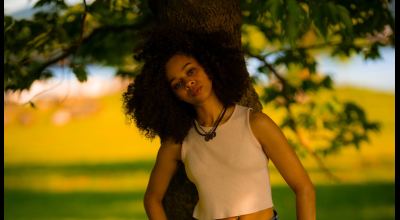
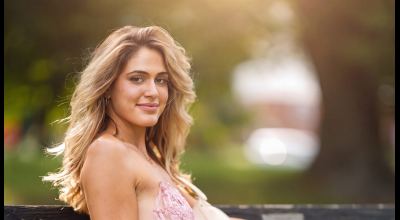
Ah, the golden hour – the magical period just after sunrise and just before sunset. If you’ve ever wondered why so many stunning, dreamy, and perfectly lit outdoor photos seem to appear around these times, it’s because the sun is low in the sky, casting a soft, warm, diffused light that is incredibly flattering. The light is less harsh, minimizing shadows and creating a beautiful, ethereal glow on the skin. For models, this means less squinting, softer features, and an overall more romantic and inviting feel to your photos. Imagine yourself bathed in that honeyed light against the backdrop of the Brooklyn Bridge or strolling through a sun-drenched Washington Square Park; the results are simply breathtaking. This is the time when textures are highlighted without being overexposed, and colors pop with a natural vibrancy.

Blue Hour: Moody and Mysterious

While the golden hour gets most of the glory, don't underestimate the "blue hour." This is the short period just after sunset and just before sunrise, when the sun is below the horizon but its light still scatters through the atmosphere, bathing everything in a cool, deep blue hue. There are no harsh shadows, and the ambient light is incredibly soft and even. For models looking to create a more dramatic, moody, or sophisticated vibe, blue hour is your secret weapon. Think sophisticated urban portraits against the illuminated skyline of Midtown, or a fashion editorial shot in the quiet, reflective streets of the West Village as the city lights begin to twinkle. The blue hour provides a unique opportunity to capture a sense of calm and introspection, offering a stark contrast to the warmth of golden hour and expanding the emotional range of your portfolio.

Playing the Weather Card: Embracing All Conditions

NYC weather is famously unpredictable. One minute it's clear skies, the next it's a downpour. But here’s a secret: every weather condition offers unique photographic opportunities. Don’t let a cloudy forecast or a bright sunny day deter you; learn to adapt and thrive.

Overcast Days: Nature's Softbox

Many models (and even some photographers!) shy away from cloudy days, but they are, in fact, incredibly beneficial for natural light photography. Think of a thick cloud cover as a giant, natural softbox diffusing the sun's light. This creates incredibly even, shadowless illumination, making it exceptionally flattering for portraits. You won't have to worry about harsh shadows under your eyes or nose, and skin tones will appear smooth and consistent. Overcast days are perfect for detailed close-ups, beauty shots, or fashion editorials where you want the focus squarely on the model and their wardrobe, without distractions from harsh light and shadow play. Imagine a beautiful, even light illuminating your face as you pose in front of a colorful mural in Bushwick or amidst the art installations on Governors Island. It’s a dream for consistent, high-quality images.

Bright Sun: High Contrast and Dynamic Energy

Direct, bright sunlight can be challenging, but it’s far from unusable. In fact, it can create incredibly dynamic and high-contrast images. The key is knowing how to position yourself. Avoid direct overhead sun at midday, which creates harsh, unflattering shadows. Instead, look for open shade – an area where the sun is blocked but there's still plenty of ambient light, like under a large tree in Central Park or the overhang of a building in SoHo. Alternatively, you can use the sun as a back-light, creating a beautiful rim light around your hair and shoulders, separating you from the background and adding a sense of depth and glow. Just remember to have a reflector (your photographer will likely have one) to bounce some light back onto your face to avoid silhouetting. Bright sun also provides opportunities for dramatic shadow play on backgrounds, adding an abstract, architectural element to your shots.

Posing and Expression: Communicating with Light

Understanding light is one thing; knowing how to move and express yourself within it is another. Your interaction with the light source can dramatically alter the mood and impact of your photos.

Facing the Light: Bright and Engaging

When the light source is in front of you (or slightly to the side), it illuminates your face directly, making your eyes sparkle and your features pop. This is often the go-to for engaging portraits that demand direct eye contact and a bright, open expression. However, be mindful of squinting in bright sunlight; a slight turn of the head or finding a patch of open shade can make all the difference. Practice relaxed, natural expressions that convey confidence and approachability. Think about how the light is catching your cheekbones or the bridge of your nose; slight adjustments can highlight your best features.

Side Lighting: Adding Dimension and Drama

Side lighting, where the light source hits you from the side, is fantastic for adding dimension and sculpting your face. It creates natural shadows that define your jawline, cheekbones, and the contours of your body, lending a more artistic and dramatic feel to the image. This is particularly effective for editorial and fashion shots where you want to emphasize structure and form. Experiment with subtle turns and angles, allowing the light to accentuate different parts of your profile. A slight tilt of the head or a shift in shoulder position can drastically change the interplay of light and shadow, adding depth and intrigue to your pose.

Avoiding the Pitfalls: Harsh Shadows and Unflattering Light

Even with the best intentions, natural light can be tricky. Knowing what to avoid is just as important as knowing what to seek out.

The Midday Menace: Overhead Sun

As I mentioned earlier, the sun directly overhead around midday (roughly 11 AM to 2 PM, depending on the season) is generally the least flattering for portraits. It creates deep, harsh shadows under the eyes, nose, and chin, often resulting in what photographers call "raccoon eyes." Unless you're going for a very specific, high-contrast artistic effect, it's best to avoid direct sun during these hours. If a midday shoot is unavoidable, actively seek out open shade – the bigger, the better. Think about posing near a tall building in Midtown East or under the ample canopy of trees along the Brooklyn Promenade.

Spotty Light: The Distraction Factor

Another common issue is "spotty light," where patches of sunlight filter through leaves or other obstructions, creating distracting bright spots and shadows on your face or body. This can be incredibly challenging to work with, as it draws the eye away from you and creates an uneven exposure. If you find yourself in a spotty light situation, try to reposition yourself completely into either full sun or full shade. Sometimes even a few steps can make a huge difference in creating a more consistent and appealing lighting environment. Be aware of your surroundings; that beautiful tree in Riverside Park might be creating a lighting nightmare.

The Post-Production Polish: Enhancing Natural Light Photos

Once the shoot is done and the files are on the computer, the journey of your natural light photos isn't over. Post-production plays a vital role in refining and enhancing what was captured.

Subtle Adjustments: Bringing Out the Best

Natural light photos often benefit from subtle adjustments in exposure, contrast, and white balance. We aim to enhance the existing light, not drastically alter it. This might mean gently brightening shadows that are a bit too deep, subtly boosting the warmth of a golden hour shot, or ensuring skin tones look natural and vibrant. The goal is to maintain the authenticity of the natural light while making you look your absolute best. Sometimes, a touch of dodging and burning can further sculpt the face, emphasizing the natural light and shadow play captured during the shoot.

Color Grading: Setting the Mood

Color grading is where we can truly define the mood of the natural light image. For a golden hour shot, we might lean into those warm, inviting tones. For a blue hour photo, we’ll emphasize the cool, ethereal quality. This isn't about creating artificial colors but rather about enhancing the inherent beauty of the light and atmosphere present during the shoot. It’s about creating a cohesive visual story that aligns with the desired feel of your portfolio. Tools like split toning can be incredibly effective in adding a professional touch, subtly shifting the tones in highlights and shadows to create a more sophisticated aesthetic. For models looking to understand more about how their images are refined, a great resource can be found at dantet9.com/tools.

Conclusion: Embrace NYC's Natural Canvas

New York City is more than just a backdrop; it’s an active participant in your photoshoot, offering an endless array of natural light opportunities that can elevate your portfolio from strong to unforgettable. From the soft, diffused glow of an overcast day in Prospect Park to the dramatic interplay of light and shadow on the streets of the Financial District during golden hour, the city is constantly presenting new possibilities. As a model, understanding these nuances of natural light empowers you to collaborate more effectively with your photographer, to position yourself for optimal results, and ultimately, to present a more dynamic and compelling version of yourself to the industry. So step out, embrace the ever-changing light of our incredible city, and let it illuminate your journey. Ready to capture your best natural light moments? Book your next photoshoot with us today at dantet9.com, and let's make some magic happen under the NYC sun (or clouds!).


Cover photo by Sunriseforever on Pixabay.
Ready to Create Something Amazing?

Book your photoshoot with Dante's Models today.

Ashley from Brooklyn just booked a session

5 minutes ago