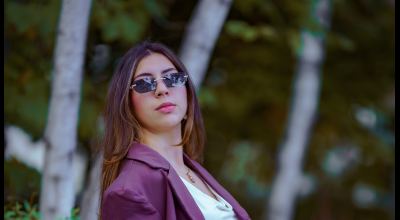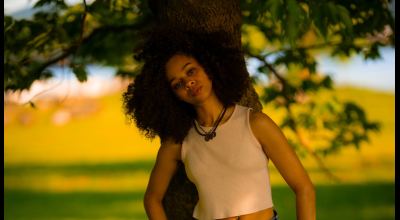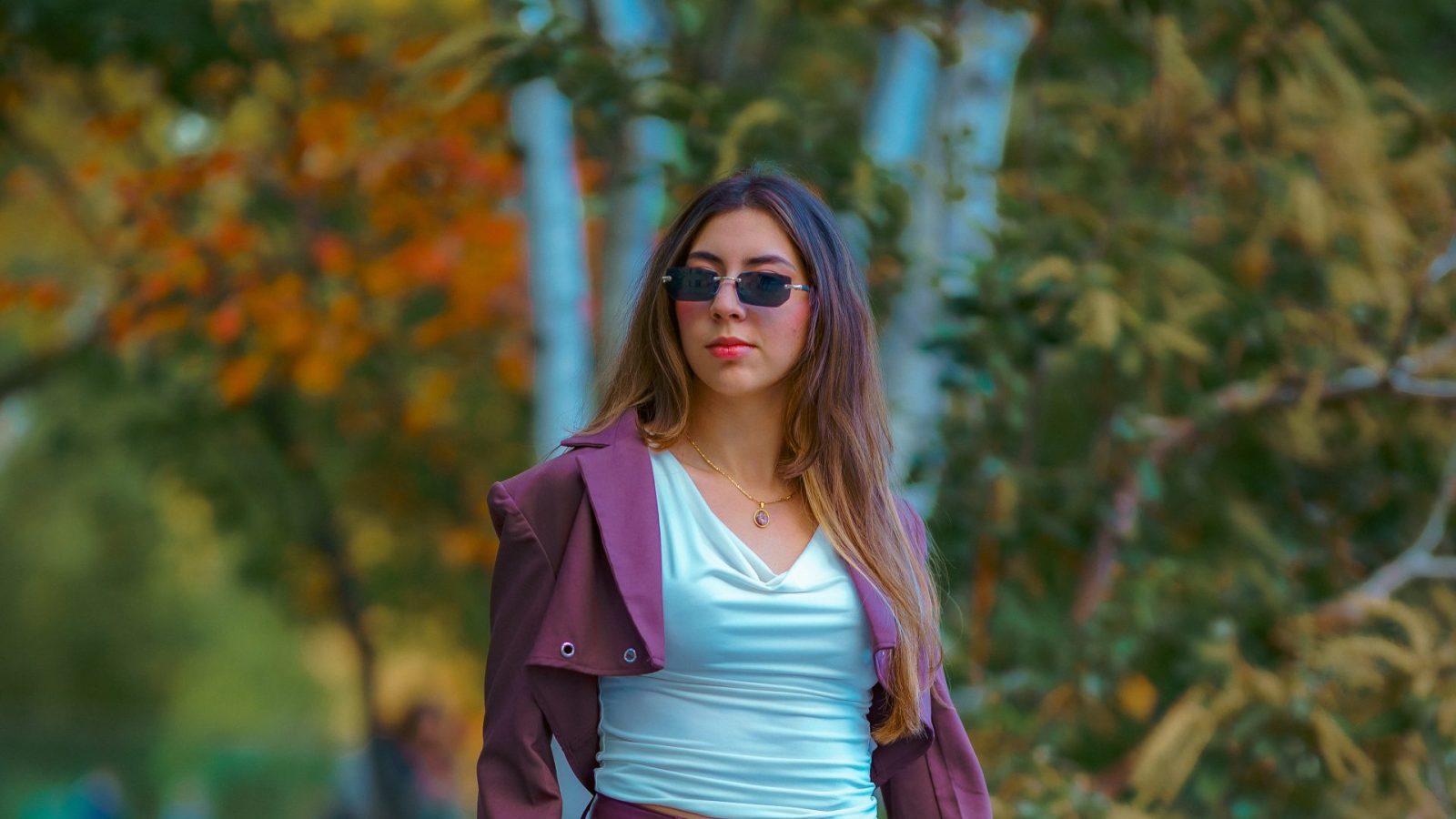
A model who just looks good in front of a camera is not enough. Casting directors and clients want to see you perform: emotion, confidence and range, shown through your poses. These are the basics we coach models on in New York City.
Core principles of posing
Angles
Flat photos are forgettable, so make angles with your body.
- The "S" curve. Shift your weight to one leg, let your hips curve gently, then counter-curve your shoulders the other way. It is a classic, flattering line that adds movement.
- Triangles. Bend an elbow, put a hand on your hip or cross your legs to make triangles. Do not keep your arms and legs straight or parallel to the camera.
- Chin and shoulders. Do not face the camera straight on with your shoulders square to the lens. Angle your body slightly and turn your head. A small chin tilt adds interest and defines your jawline.
Posture
- Lengthen and engage. Imagine a string pulling you up from the crown of your head. Keep your shoulders back and down, your chest slightly lifted and your core lightly engaged. It works for a new collection or portraits in Central Park.
- Relaxed, not stiff. Tensing up is the most common mistake. Relax your jaw, shoulders and hands.
Weight
- Shift your weight. You should rarely stand evenly on both feet. Putting weight on one leg gives you a natural stance and lets the other leg bend or cross.
- Counter-balance. If your upper body leans one way, let your lower body shift the other way. The pose then reads as movement, like a dancer who is still but looks about to move.
Expression
- Eyes. Eyes can show joy, intensity, curiosity or distance. Practice looking into the lens with different intentions. Looking slightly off-camera can add intrigue.
- Small expressions. A raised eyebrow, a slight smirk or a thoughtful look often works better than a big dramatic one. Practice in a mirror to find your range.
Posing for different shoot types
Fashion and editorial
- Exaggerate movement. Push it. Think long lines, architectural shapes and dramatic gestures. Extend your limbs, arch your back and try extreme angles.
- Tell the story with your body. Strength, vulnerability, mystery or play: let the editorial's mood show. Many NYC fashion editorials ask models to play complex characters.
- Move between poses. Do not just hold a pose. Moving gives the photographer candid, dynamic frames.
Commercial
Commercial work calls for relatable, approachable poses and often a product.
- Real smiles. Practice smiling with your eyes ("smizing") so the smile looks sincere.
- Natural interaction. Hold a product the way you would in real life, as if you were going about your day in New York City.
- Keep the product clear. Your pose should not block the product or the brand message.
Portrait
- Connection. Poses should feel natural and like you. Small shifts in weight, a gentle hand placement or a thoughtful gaze can show depth.
- Less posing, more being. Use natural movements like running a hand through your hair, looking out a window or leaning casually.
- Eyes. Keep them engaged and expressive.
Props and surroundings
- Props. Do not just hold a prop. Lean on a railing, sip from a coffee cup or read a book. In NYC that might be a yellow cab or a street vendor's cart.
- Environment. Lean against a wall, sit on a bench, walk down a street, use the leading lines of the architecture or stand in silhouette against the skyline. Use textures, shadows and natural light.
Emotion and story
- Pick a character. Before a shot, decide whether you are fierce, serene, playful or mysterious, and let that guide your body and face.
- Start from the inside. Think about the feeling you want and let it move through your body. A real feeling looks better than a forced pose.
- Transitions. A small turn of the head, a shift of gaze or a hand movement can build a sequence of frames.
Working with your photographer
- Talk. Discuss the mood board, concept and goals before and during the shoot. Share ideas and ask questions.
- Listen. The photographer sees the shot from behind the lens and can adjust your angles, expression or placement.
- Trust the vision. Let them direct the lighting and composition.
Practice
- Mirror. Try different angles, expressions and full-body poses. See what looks good and what feels natural.
- Study magazines and portfolios. See how top models use their bodies and faces. Draw on it without copying.
- Film yourself. Record yourself moving and posing on your phone. You will spot habits and awkward angles.
- There is no single perfect pose. Your body, personality and expressions are what you bring, and the NYC modeling scene rewards individuality.
Our NYC photography studio and modeling agency helps aspiring and established models with portfolios, headshots and career guidance. Visit dantet9.com or contact us to schedule a consultation.
This post contains affiliate links. If you purchase through these links, we may earn a small commission at no extra cost to you.
Photo by Vitaly Gariev on Pexels