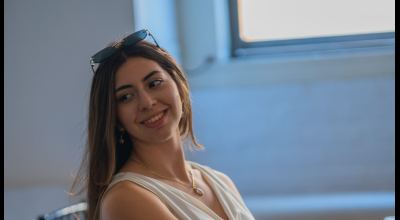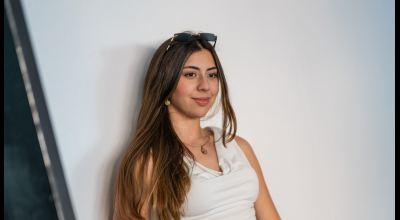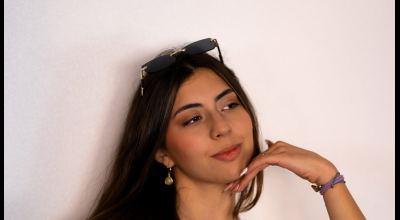
I shot my first paying gig with a $400 camera and a 50mm lens I bought used on Craigslist. The images were sharp and the client was happy. The camera didn't care that it wasn't a $3,000 pro body. That was seven years and hundreds of shoots ago, and I still think smart gear choices beat expensive ones.
NYC has its own demands: dark subway stations, harsh midday sun bouncing off glass towers, street sessions where nobody holds still. Here is what I would buy if I were starting from zero in this city today.
Your first camera: DSLR or mirrorless?
Either works if you pick well.
DSLRs (Digital Single-Lens Reflex) are often cheaper, especially used. They're sturdy and good for learning exposure, focus and composition. An entry-level DSLR like a Canon Rebel gives you access to a huge range of lenses without costing much.
Mirrorless cameras are lighter and smaller. They often have better autofocus, electronic viewfinders that show your exposure before you shoot, and strong video. If you want a system that grows with you, mirrorless is usually the better bet. I've been recommending the Canon EOS R50 to people who want a capable system from day one. It has very good autofocus, shoots 4K video, and is small enough to carry all day, whether you're shooting street art in Bushwick or golden hour in DUMBO.
Both are fine. What matters is getting a camera in your hands and learning it.
Lenses
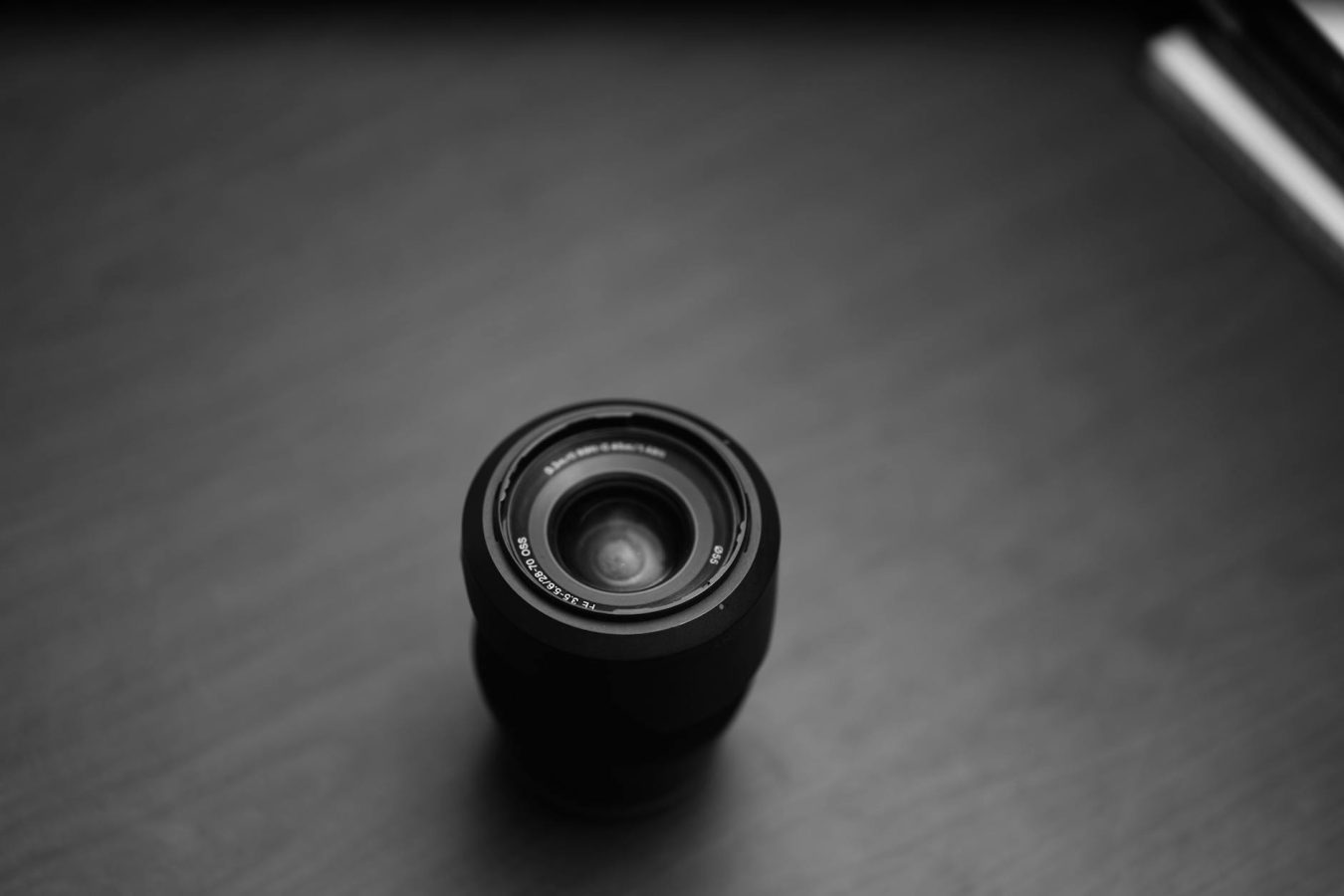
Your lens matters more than the camera body. It sets your perspective, how much light you gather, and how soft the background blur (bokeh) looks.
- The kit lens (18-55mm or similar): Most beginner cameras come with one. It covers wide shots of the Brooklyn Bridge up to slightly tighter portraits, and it's good for learning composition and focal lengths. Use it for your first few months.
- The "Nifty Fifty" (50mm prime): If you buy one lens beyond the kit lens, make it a 50mm f/1.8. It's sharp, lets in a lot of light for NYC nights, and gives nice background blur for portraits. It also makes you "zoom with your feet," which improves your composition. For Canon shooters, the Canon EF 50mm f/1.8 is affordable and lightweight.
Basic lighting
Natural light does most of the work in NYC. It bounces off buildings, spills into alleys and glows at sunset over the Hudson. Sometimes you need a bit more.
- Reflectors: Your first lighting tool. A 5-in-1 collapsible reflector costs very little. It bounces sunlight onto a face or blocks harsh light, and softens hard shadows. It's useful for outdoor portraits from Central Park to the Meatpacking District.
- Speedlights (on-camera flash): A compact flash that sits on the camera's hot shoe. It freezes action, adds light in dim places, and can bounce off a ceiling for a softer look indoors. Once you use one off-camera with a simple trigger, you have many more options. The Godox V860III Flash is a strong, affordable choice. It has a built-in battery and works with various camera systems.
- Continuous lights (LED panels): A constant, soft light. Good for video, or if you want to see how the light falls before you shoot. They work for product photography and small studio setups.
Accessories
- Tripod: You need one for sharp low-light shots, long exposures (light trails in Times Square), self-portraits, or anything that needs stability. Don't go too cheap. A flimsy tripod is worse than none. Look for sturdy but portable.
- Memory cards: SD cards are standard on most beginner cameras. Buy a few, carry spares and get a good card reader. A full or slow card costs you shots.
- Camera bag: It should be comfortable, because you'll walk a lot in NYC, with good padding and room for your gear and a few personal items. Backpacks suit longer shoots, shoulder bags suit quick grabs.
- Extra batteries: Carry at least one spare, fully charged.
- Cleaning kit: A lens pen, microfiber cloths and a blower bulb keep your glass clean.
Where to buy gear in NYC
- B&H Photo Video and Adorama: Both carry new gear and have good used departments with ratings and warranties. Go in person and try gear out.
- Used marketplaces: Craigslist, Facebook Marketplace and photography forums have deals. Meet in a safe, public place and test the gear before you buy.
- Local camera stores: Smaller shops often have used inventory and staff who can guide you.
Don't get stuck researching gear. Pick a camera, get a versatile lens, learn how light works and go shoot. You learn by shooting and by making mistakes.
If you want to be in front of the lens, or book a photoshoot, see us at dantet9.com.
This post contains affiliate links. If you purchase through these links, we may earn a small commission at no extra cost to you. This helps us keep creating free content and tools for the photography community.
Photo by Dinesh kandel on Pexels