Light decides what a photo of a model looks like. It sets the mood, shows texture and does most of the storytelling. In New York it also changes by the hour, by the street and by the season, so you need a plan for the studio and a different one for the sidewalk. This guide covers the gear and setups we use at Dante's Models, in our NYC studio and out on location.
Essential Studio Lighting Gear
A studio gives you full control over light. These are the tools to build it with.
Strobes (monolights) Strobes are the workhorses. They fire a burst of light that freezes motion and lets you stop down for depth of field. When you choose them, look at:
- Power output: Measured in watt-seconds (Ws). More power helps with larger sets, group shots and overpowering ambient light.
- Recycle time: How fast the strobe recharges between flashes. Model shoots move quickly, so faster is better.
- Consistency: Power and color temperature should stay the same shot after shot.
Continuous lights Continuous lights, such as LED panels or traditional hot lights, stay on, so you see how the light falls on your model before you press the shutter.
- LED panels: They run cool, use little energy and often have adjustable color temperature (bi-color or RGB). They suit video, and photographers who like to see the result live.
- Halogen/tungsten: Powerful, warm and consistent, but they get very hot and use a lot of energy. Few studios still use them.
Light modifiers A bare strobe or LED is usually too harsh. Modifiers soften, shape and aim the light.
- Softboxes: An enclosed box with a diffusion panel gives soft, even light. Rectangular ones work for full-body shots. Octaboxes are often preferred for beauty and fashion portraits because the catchlights in the eyes look more natural. Strip boxes are good for edge lighting or a narrow band of light.
- Umbrellas: Cheaper and easier to carry than softboxes. Reflective umbrellas bounce light back at the subject, shoot-through umbrellas let it pass through the fabric. Both give soft, broad light.
- Beauty dishes: Crisp but soft, with distinct contrast. A favorite for fashion and beauty, and they leave a "clamshell" catchlight.
- Grids (honeycombs): They attach to softboxes, beauty dishes or reflectors and narrow the beam, which cuts spill and makes the light more dramatic.
- Snoots: Small cones that make a very narrow, hard beam. Use them for a specific detail or a spotlight effect.
Light stands and boom arms Stands need to hold lights and modifiers securely. C-stands (century stands) are sturdy and versatile. Air-cushioned stands are lighter to carry. Boom arms put a light overhead or at an awkward angle, which is what you want for hair lights and overhead beauty lighting.
Portable Lighting for On-Location NYC Shoots
New York gives you backdrops from the West Village to Midtown. To light models there, you need gear that travels.
Speedlights (on-camera flashes) Compact flashes that work almost anywhere.
- Portability: They fit in any camera bag, which matters on crowded Manhattan streets.
- TTL (through-the-lens) metering: Many speedlights set exposure automatically from your camera's meter, handy for fast street work.
- Off-camera use: With wireless triggers, you can put speedlights on stands or have an assistant hold one. Use them to fill shadows, add a kick of light or overpower the sun.
Portable LED panels Battery-powered panels are good for video and for any time you want to see the light as you work.
- Light and compact: Easy to pack for a Brooklyn park or a rooftop.
- Adjustable brightness and color temperature: Many let you switch between warm (tungsten) and cool (daylight) to match the ambient light.
- Fill light: Less powerful than speedlights, but good for subtle fill or accents in darker spots.
Reflectors A simple collapsible reflector does a lot with natural light.
- Silver: Adds contrast and punch.
- Gold: Adds warmth. Good for golden hour and for skin tones.
- White: Soft fill that cuts harsh shadows without adding color.
- Black: Subtracts light and deepens shadows.
- Translucent: Works as a diffuser on a bright day.
Power For any artificial light on location, bring battery packs and spare batteries. Running out of power with a model waiting in DUMBO is a bad afternoon.
Basic Lighting Setups for Models
These patterns work in the studio and outdoors.
1. One-light setups Learn one light before adding more.
- Rembrandt lighting: Put the light high and to one side of the model so a small triangle of light lands on the shadowed cheek. It adds drama and dimension.
- Broad lighting: The side of the face closest to the camera is the brighter one. This can make a face look wider.
- Short lighting: The side of the face furthest from the camera is the brighter one. It is generally more flattering, since it slims the face and adds dimension.
- Clamshell lighting: A popular beauty setup. One main light, often a beauty dish or softbox, sits above and slightly in front of the model, with a reflector below bouncing light up into the shadows under the chin and eyes. The result is even and flattering.
2. Two-light setups A second light adds depth and separation.
- Key and fill: The key light is your main light. A weaker fill light or a reflector softens the key's shadows and controls contrast.
- Key and rim light: The key lights the front of the model. A second light behind and to the side makes a "rim" or "hair" light that separates the model from the background. This works well for fashion on a busy NYC street.
3. Three-light setups A third light gives you full control over the subject and the background.
- Key, fill and rim/hair light: The classic setup. It lights the front, softens shadows and separates the model.
- Key, fill and background light: The third light lights the background to add depth. It helps with plain studio backdrops or to pick out an urban feature.
Always check the direction of the light (front, side, back), its quality (hard or soft) and its intensity. A small move of the light can change the whole mood of the frame.
Blending Natural and Artificial Light in NYC
City light runs from bright midday sun to soft twilight. Blending it with flash is a skill every NYC photographer needs.
1. Use golden and blue hour. The hours just after sunrise and before sunset (golden hour) give warm, soft light. Just after sunset (blue hour) the light turns cool. Both are good for natural light portraits. Bounce the light into your model's face with a reflector, or add a little fill from an LED panel.
2. Overpower the sun. On a bright day in Times Square or by the Brooklyn Bridge, the sun makes harsh shadows and blown highlights. Use a strong off-camera speedlight or strobe, with a portable power pack, to overpower it. Expose for the bright background first, then add flash to expose the model. The model pops against the city.
3. Use window light indoors. Many NYC apartments, cafes and lofts have good window light, which is soft and directional. Face your model toward the window for even light, or turn them perpendicular to it for stronger shadows. Put a reflector on the shadow side to fill.
4. Use gels to match color. When you mix flash with ambient light such as streetlights or neon signs, color temperature matters.
- CTO (Color Temperature Orange) gels: Put them on the flash to warm it, to match golden hour or incandescent bulbs or to fake a sunset glow.
- CTB (Color Temperature Blue) gels: These cool the flash to match blue hour or fluorescent lights.
- Creative gels: Colored gels can tint a background. Picture a model in purple light against the yellow cabs of Midtown.
5. Scout for light. Before any location shoot, visit at the time of day you plan to shoot. Look for natural light, interesting shadows and places to put lights. Does that alleyway in SoHo get a sliver of light at noon? Can you put a speedlight behind your model in front of the Empire State Building for a rim light? Answer those before the shoot.
Lighting and Your Portfolio
Studio or street, your control of light shapes the quality of your portfolio. Our services include photography studio rentals and modeling agency representation. To book our NYC studio, ask about agency services or inquire about photography packages, contact Dante's Models at dantet9.com.
This post contains affiliate links. If you purchase through these links, we may earn a small commission at no extra cost to you.
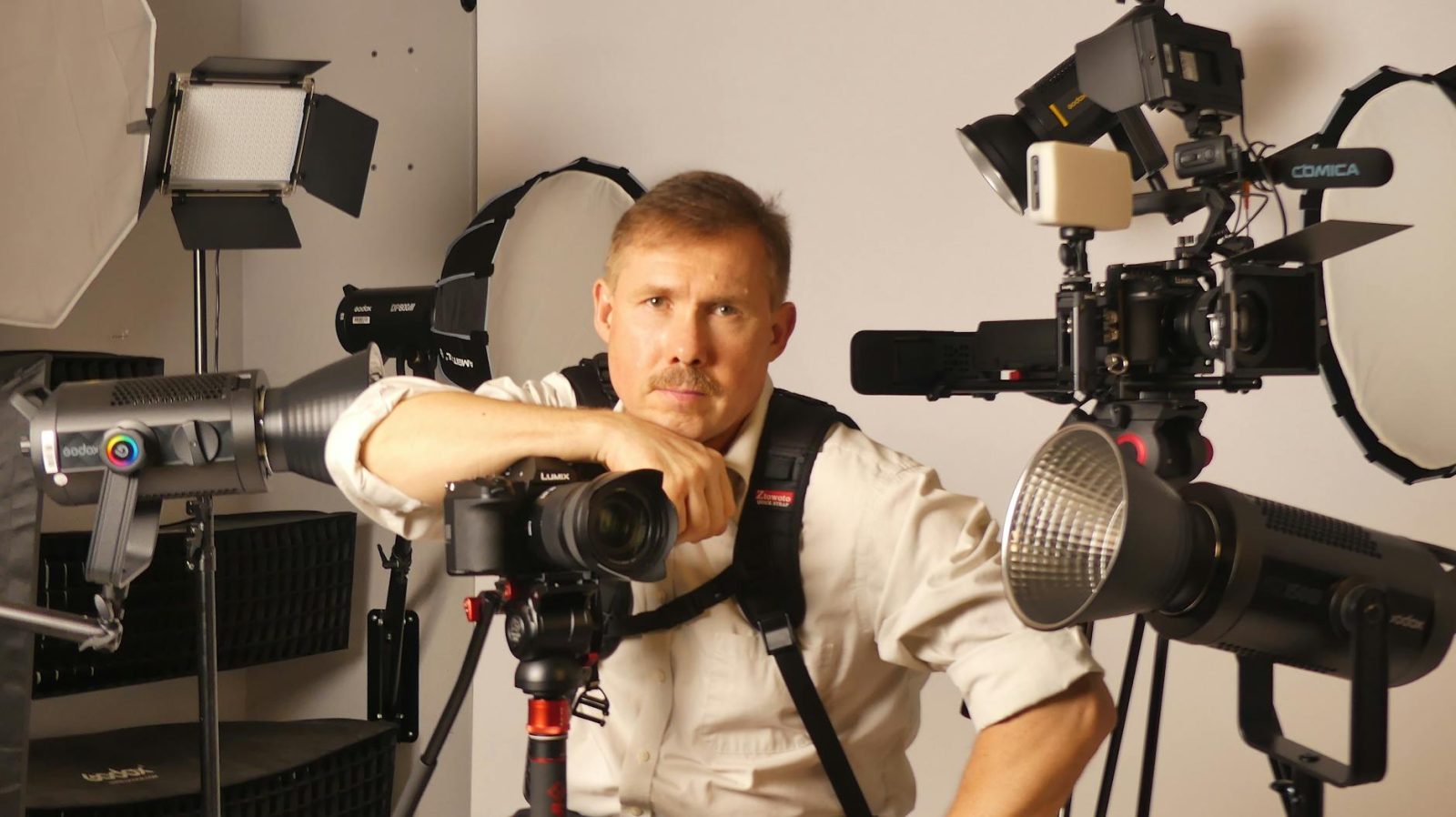
Photo by Aleksander on Pexels