
Unveiling Your First Serious Camera: No Fakers Allowed
Okay, so you're ready to step up your game beyond the smartphone, but the endless choices feel like a bad casting call. Listen, this isn't about the biggest sensor or the fastest frames; it's about the tool that truly helps you learn, grow, and capture images that mean something, all without emptying your wallet before you even shoot your first paid gig. Let's find that sweet spot.
Want to shoot at any of these with Dante's Models? Book a session or apply to be represented.
As an Amazon Associate, Dante's Models earns from qualifying purchases. The Amazon links below are affiliate links — buying through them supports the studio at no extra cost to you.
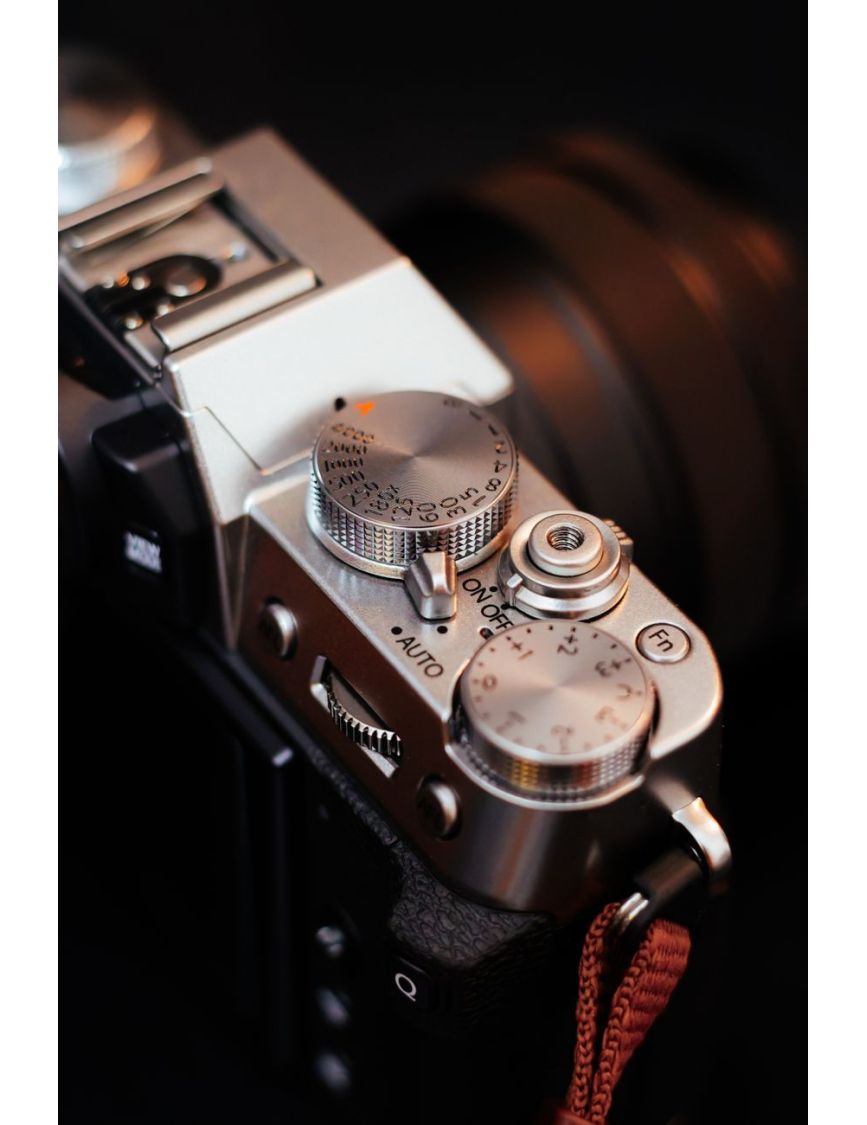
Fujifilm X-T30 II
This isn't just a pretty face. Fuji's color science is legendary, making your photos pop straight out of the camera. The external dials force you to actually think about your settings, which is invaluable for learning. It feels like a real camera, not a tiny computer.
Shoot in JPEG + RAW. Use the film simulations for quick, stunning JPEGs, but have the RAW for serious editing later.
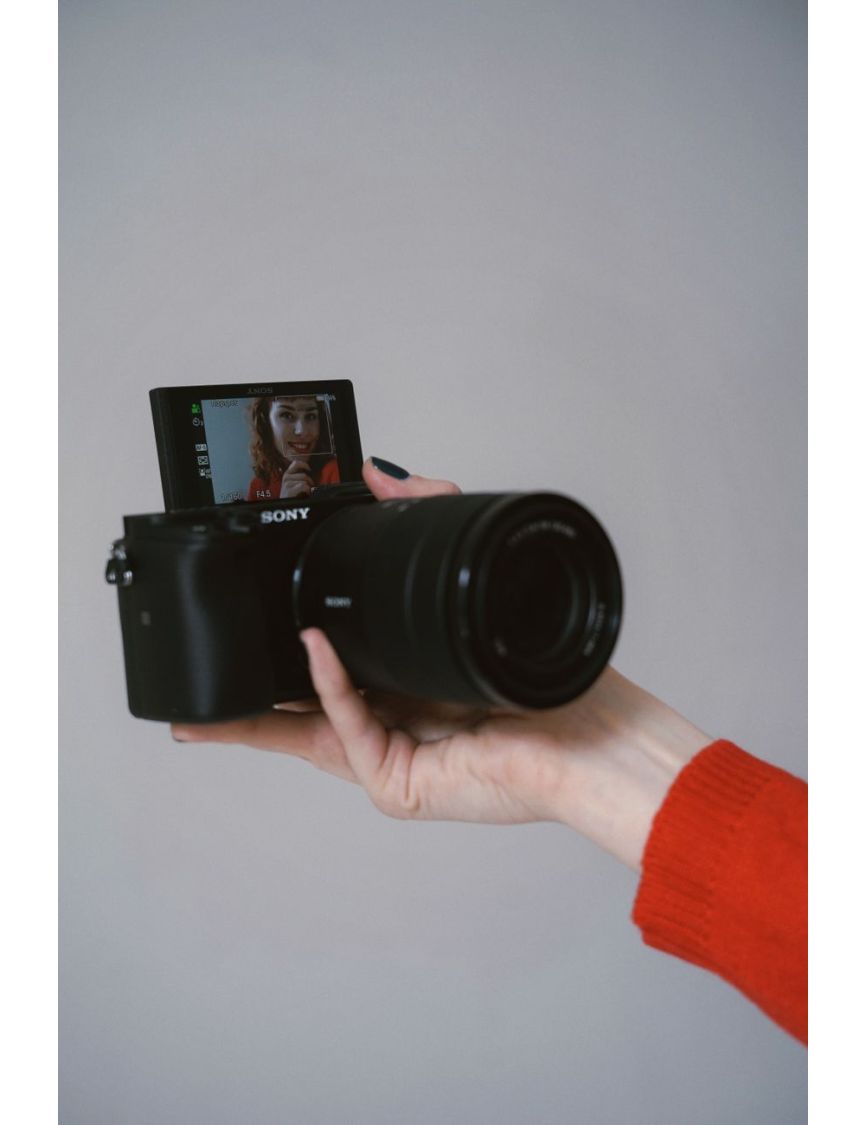
Sony a6100 (or a6400 if you stretch)
Sony's autofocus is scary good, especially for tracking faces and eyes. If you're shooting moving subjects or want to try vlogging, this camera won't let you down. It's a workhorse that consistently nails focus, letting you concentrate on composition.
Dive into the custom button settings. Program your most-used features for quicker access, making the camera an extension of your eye.
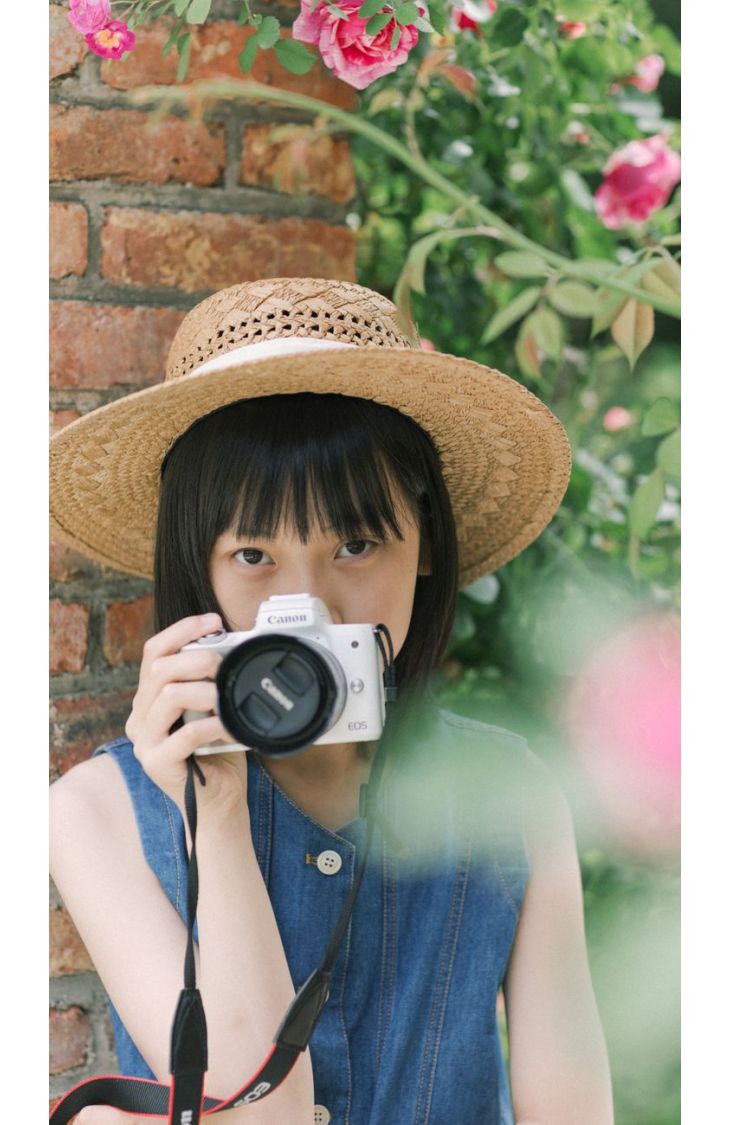
Canon EOS R100
Canon's newest budget mirrorless, and while it's basic, it gets the job done for stills. It's user-friendly, has good ergonomics, and most importantly, it gets you onto the excellent (if pricey) RF lens system. Keep expectations realistic; this is a starting point.
Don't splurge on every kit lens. Invest in one good prime lens; it will teach you more about composition than any zoom.
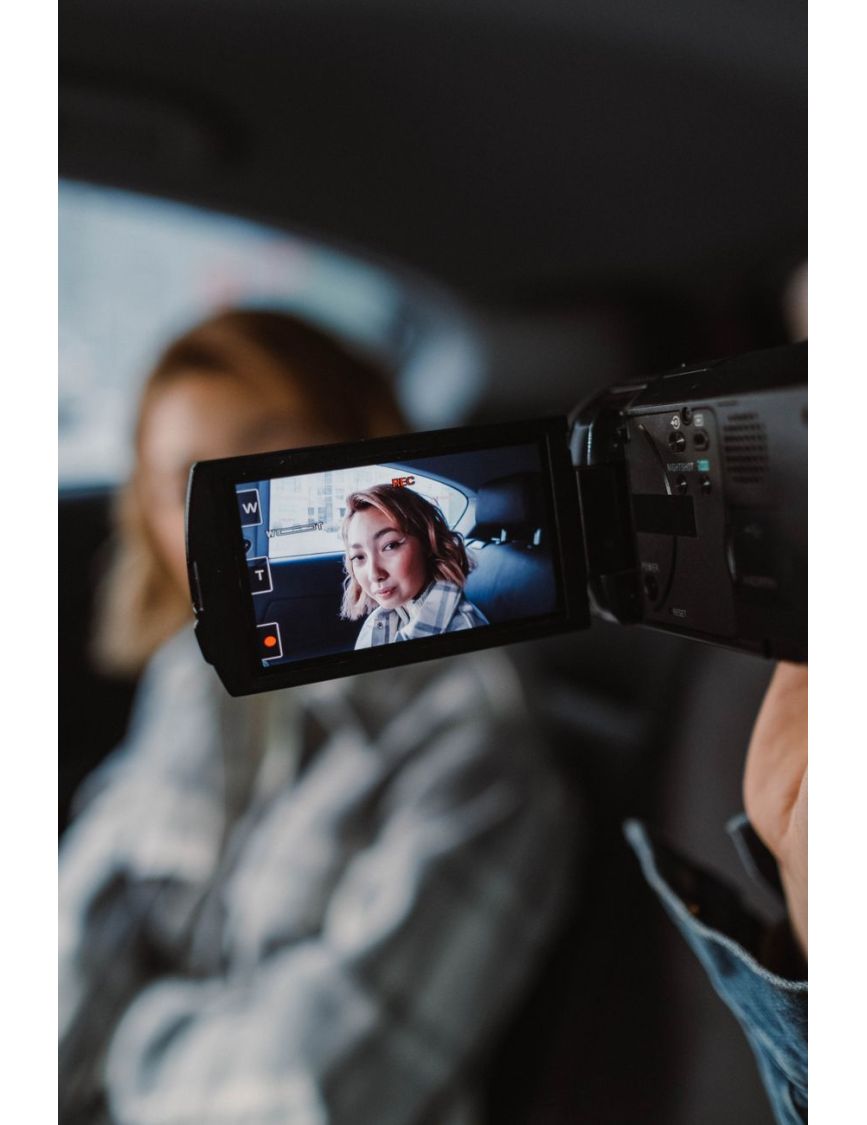
Panasonic Lumix G100
If your primary goal is video, specifically vlogging, this little powerhouse is hard to beat under $1000. It's got great audio, a flip-out screen, and solid image stabilization for handheld work. Stills are good, but video is where it shines.
Experiment with different frame rates. Shooting in 60fps and slowing it down to 30fps in editing creates beautiful cinematic slow-motion.
That's the inside look. Save this one for your next shoot.
And when you're ready to create something real in NYC, you know where to find us.
Want to be in front of our camera?
We develop new faces and book paid work. No fee to apply, every background welcome.
Become a Model