
DSLR vs Mirrorless for Portrait Photography
For portrait work, the case for mirrorless is mostly about focus. At f/1.2 a missed eye is obvious, and eye autofocus misses less. Here are five differences, including the one place a DSLR still wins.
Want to shoot at any of these with Dante's Models? Book a session or apply to be represented.
As an Amazon Associate, Dante's Models earns from qualifying purchases. The Amazon links below are affiliate links. Buying through them supports the studio at no extra cost to you.
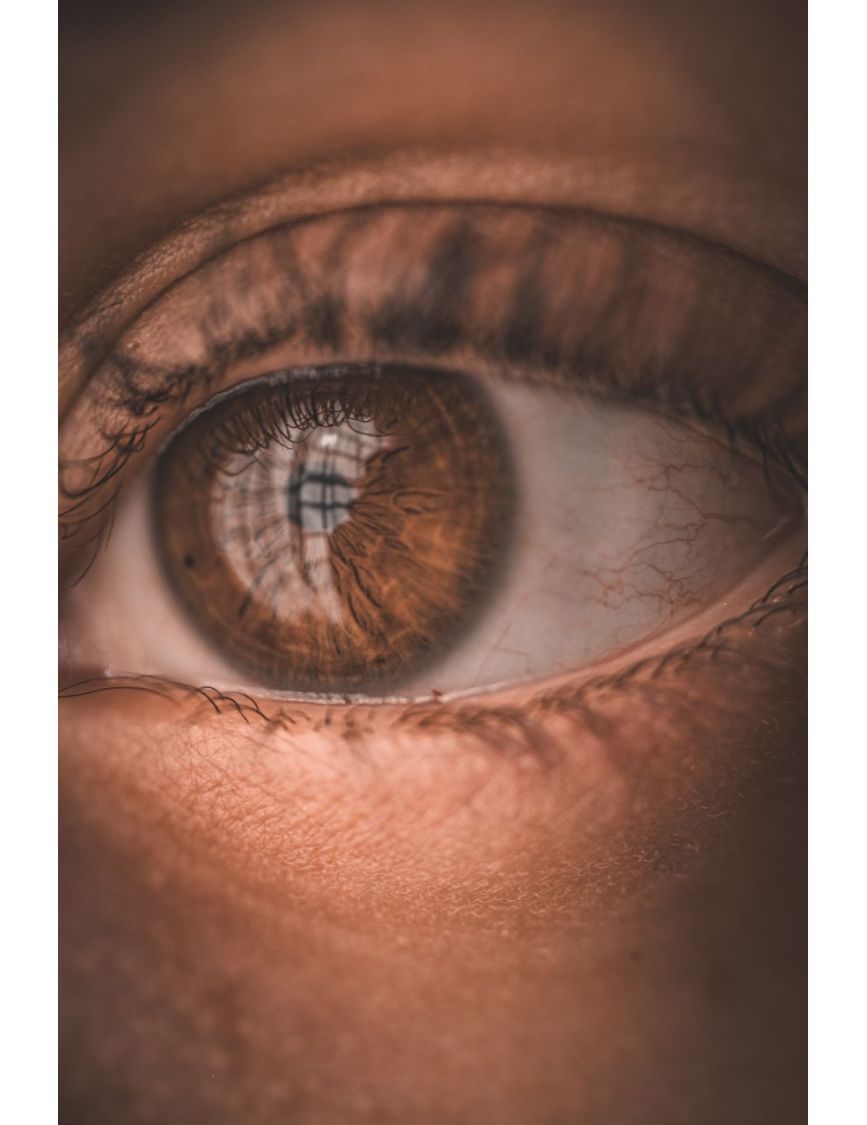
Eye-AF Precision vs Focus-and-Recompose
On an older Canon 5D Mark IV, shooting an 85mm wide open meant locking the center point and shifting your frame. That moved the focal plane off the iris. Sony and Nikon mirrorless bodies track the eye in real time across the whole frame, with no recomposing.
Reduce the tracking sensitivity delay so the focus box sticks right away when a model turns her head.
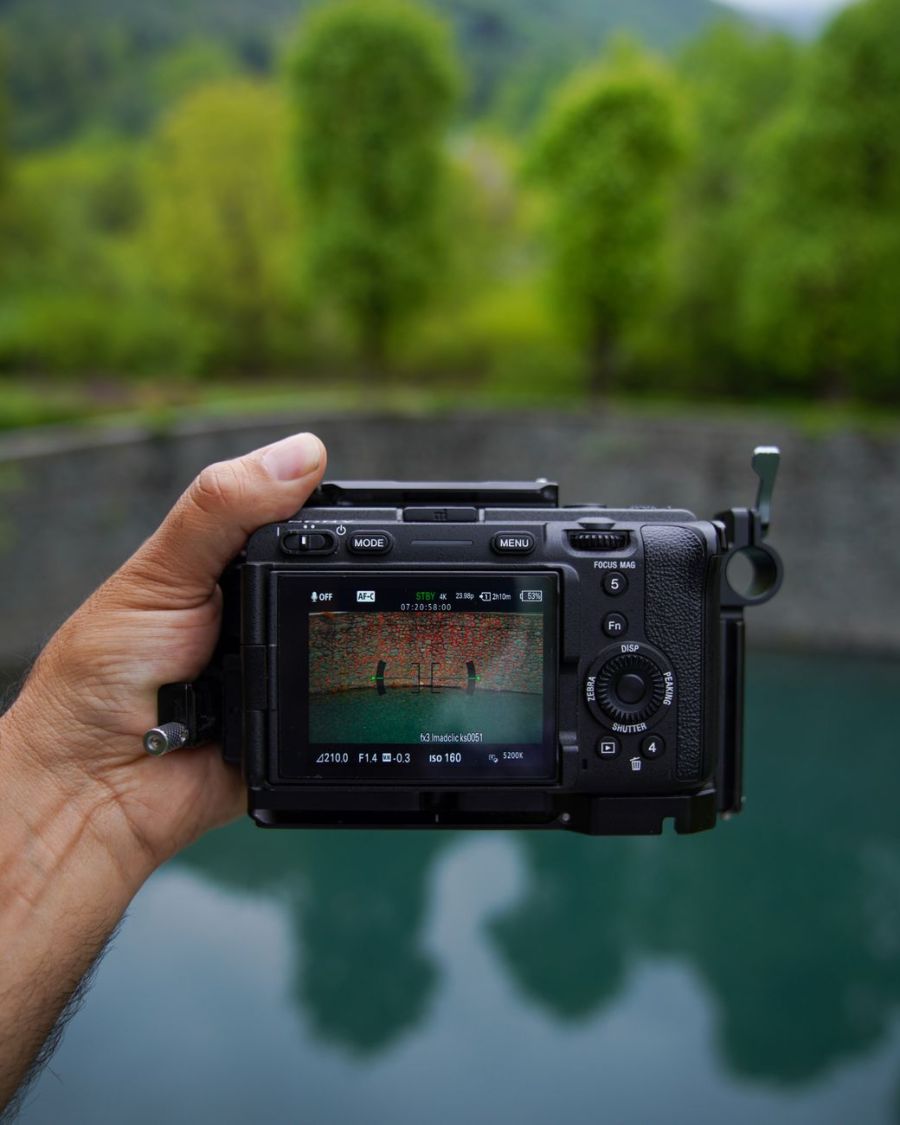
Electronic Viewfinder Exposure Preview
An optical viewfinder shows you the room. An EVF shows you what the sensor will capture before you press the shutter. You can set ambient falloff against a fast backlight without checking the rear LCD, so you keep eye contact with the client instead of looking down every four seconds.
Map a button to turn off the EVF exposure preview when you use optical strobe triggers in a dark studio.
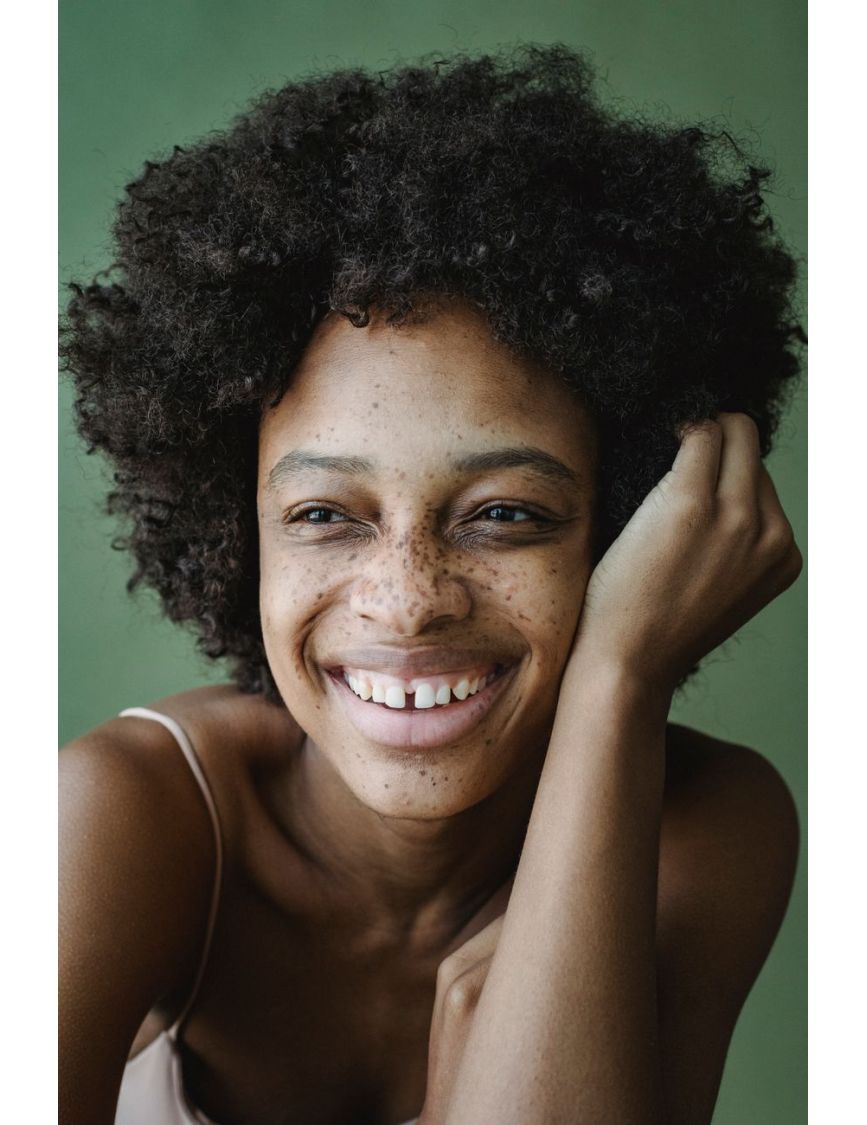
Silent Electronic Shutter for Intimate Expression
The clack of a DSLR shutter trains subjects to pose, freeze and reset their expression after every frame. A mirrorless electronic shutter is completely silent, so you can catch small expressions and mid-laugh moments without the subject noticing.
Cheap LED studio tubes can pulse and put banding across the frame when you shoot a fully electronic shutter at high shutter speeds.
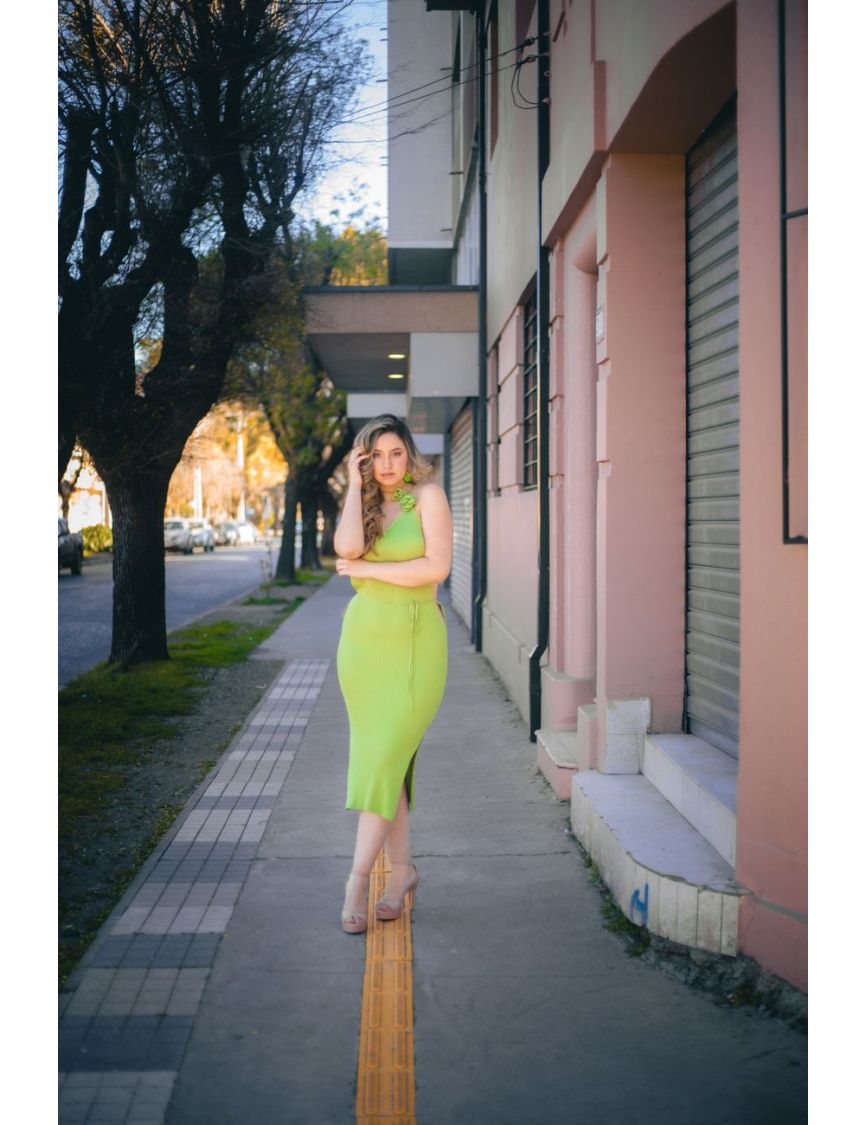
Flange Distance and Optical Superiority
Without the mirror box, rear lens elements can sit a fraction of an inch from the sensor. That reduces corner chromatic aberration and soft edges on wide-aperture glass. Canon RF and Nikon Z lenses beat the older EF and F-mount lenses on flare control and sharpness at the edges.
Do not use mount adapters for old DSLR lenses long-term. You carry extra weight for weaker corner sharpness.
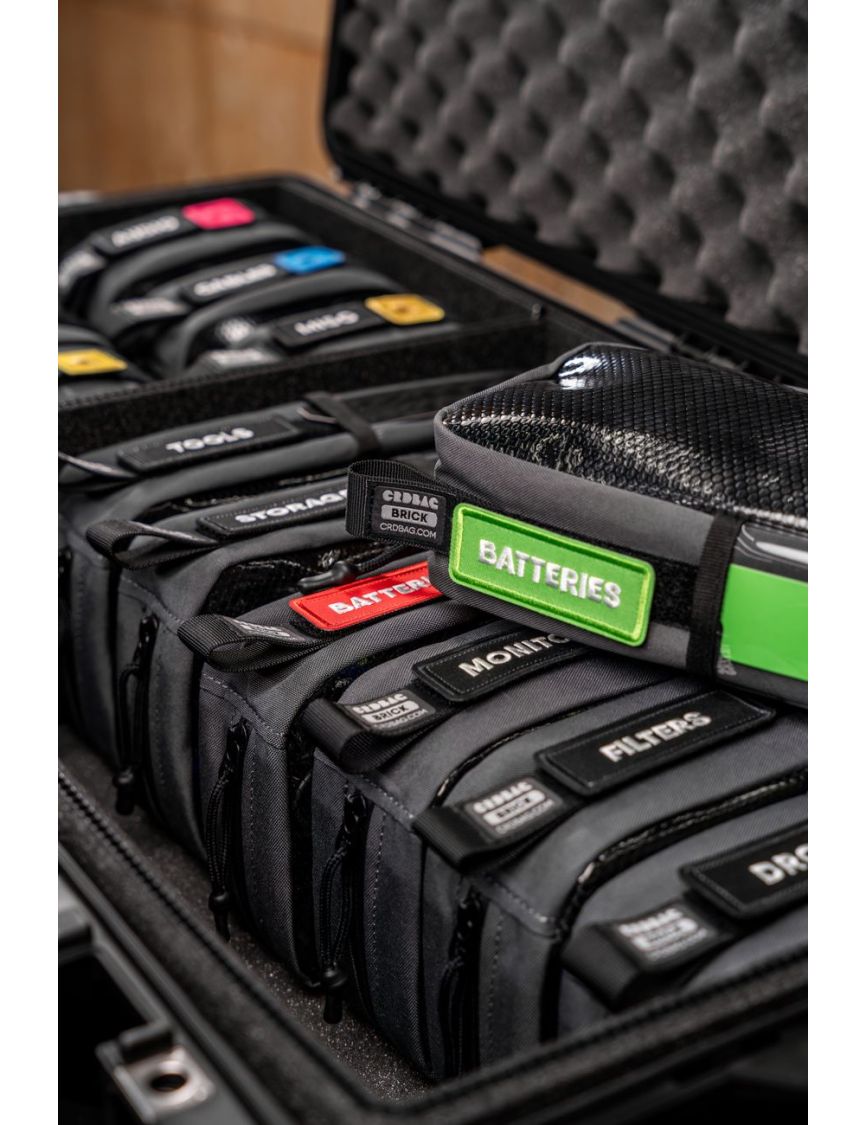
The Battery & Heat Reality Check
A Nikon D850 can shoot 1,800 frames on a single EN-EL15 battery, because the optical viewfinder uses no power while you frame. Mirrorless sensors and EVFs run hot and use more power, so a full-day shoot needs grip extensions or a pocketful of spares.
On cold-weather location shoots, keep spare mirrorless batteries in an inner jacket pocket so they do not lose voltage.
That's the inside look. Save this one for your next shoot.
And when you're ready to create something real in NYC, you know where to find us.
Ready for photos of your own?
Headshots, fashion, portraits, events, shot anywhere in New York City.
Book a Photoshoot