
Running a Studio Fashion Shoot from Call Time to Wrap
A commercial fashion shoot runs on a tight production schedule. Early fall schedules leave less room for daylight mistakes, so every phase inside the studio needs clear parameters. Here is the operational sequence from load-in to equipment pack-down.
Want to shoot at any of these with Dante's Models? Book a session or apply to be represented.
Load-In and Grip Setup
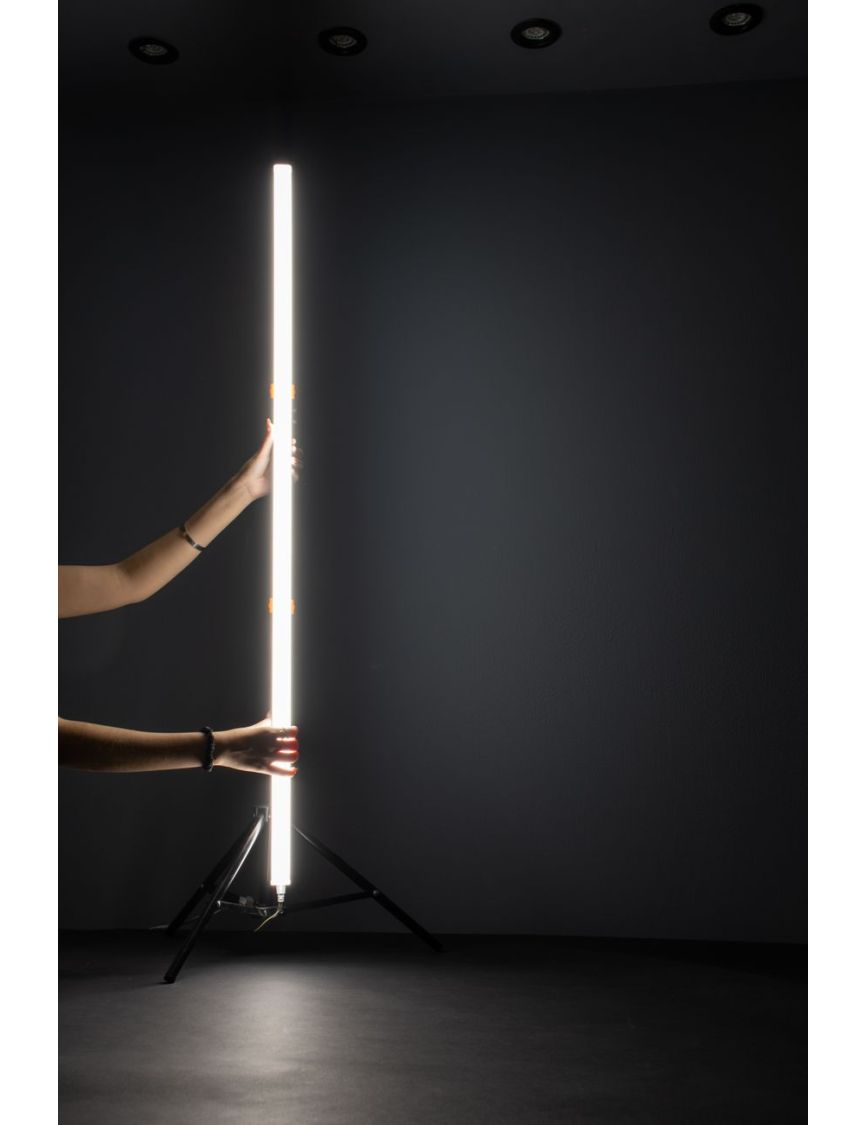
C-stands, sandbags, and rolling apple boxes go onto the floor before talent arrives. The digital tech table gets tether cables run, taped, and routed to avoid tripping hazards. Seamless backdrops are hung, leveled, and rolled out to the desired length.
Tape all cables along stand legs and run them flat to the floor with gaffer tape, never leave slack suspended in walking lanes.
Key Light Calibration and Test Frames
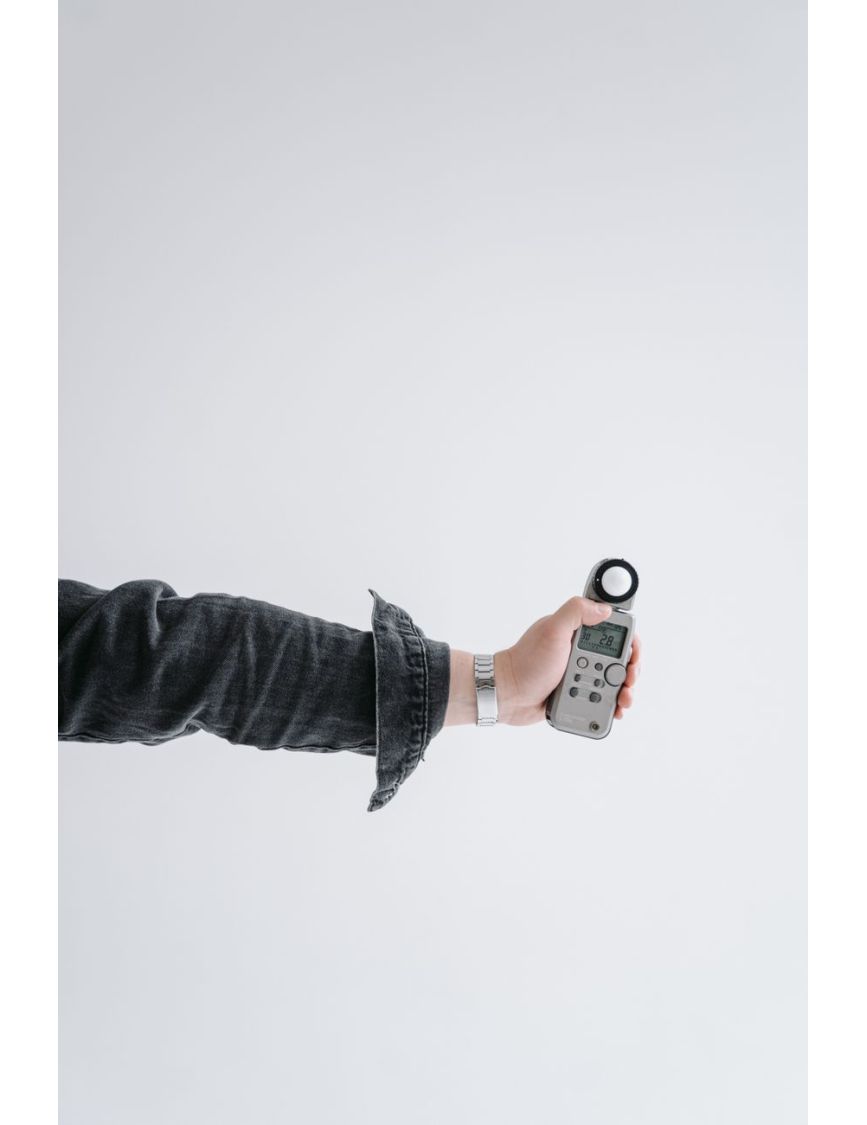
Monolights and modifiers are positioned based on the mood board specifications. Fall garments often feature heavy wools and dark twills, requiring clean fill light to retain fabric weave. An assistant steps onto the mark to establish incident light meter readings and color checker targets.
Fire a physical color checker frame into the tethered catalog before changing power outputs, not after.
Wardrobe Steaming and Hair Preparation
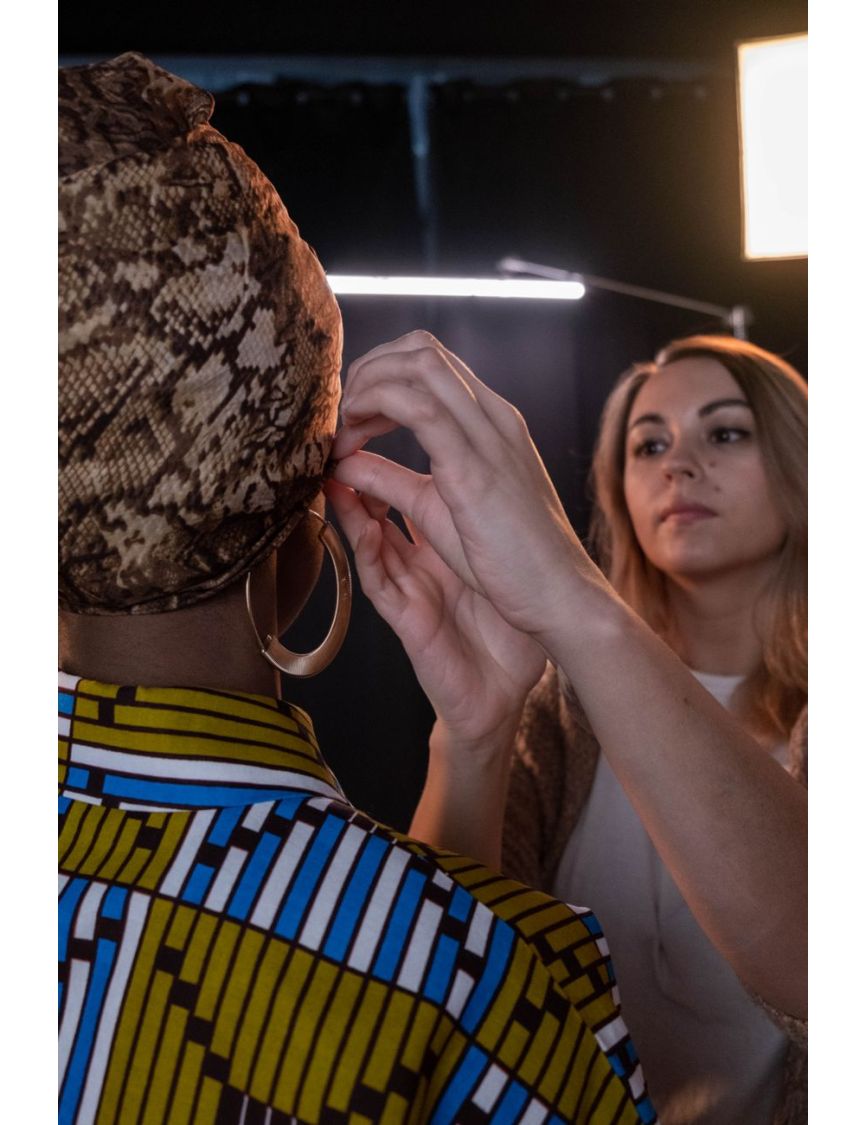
Wardrobe stylists steam trench coats, heavy knits, and tailored trousers on rolling racks. The hair and makeup artist works off clean reference photos to keep skin texture natural. Models review the shot list order so rack sequencing matches the scheduled lighting changes.
Tag hangers with number markers matching the call sheet looks so nobody pulls the wrong combination under time pressure.
First Look and Live Tethering
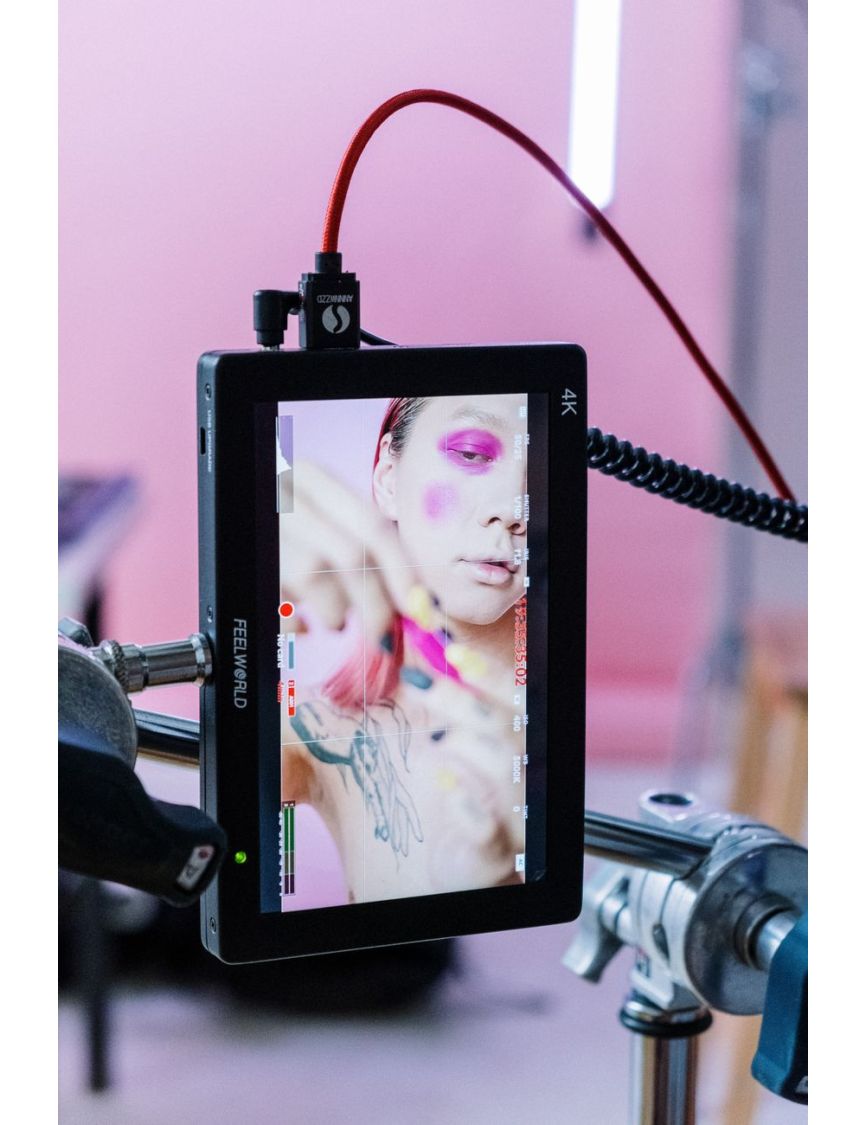
The model steps onto the floor, and shooting begins in short, structured sets. The digital technician monitors Capture One for sharpness, exposure clipping, and sensor dust. Art directors review previews on an Eizo monitor while the stylist makes collar adjustments between bursts.
Check focus on eye lashes and fabric weave at 100 percent crop on the monitor every five frames.
Modifier Adjustments for Detail Shots
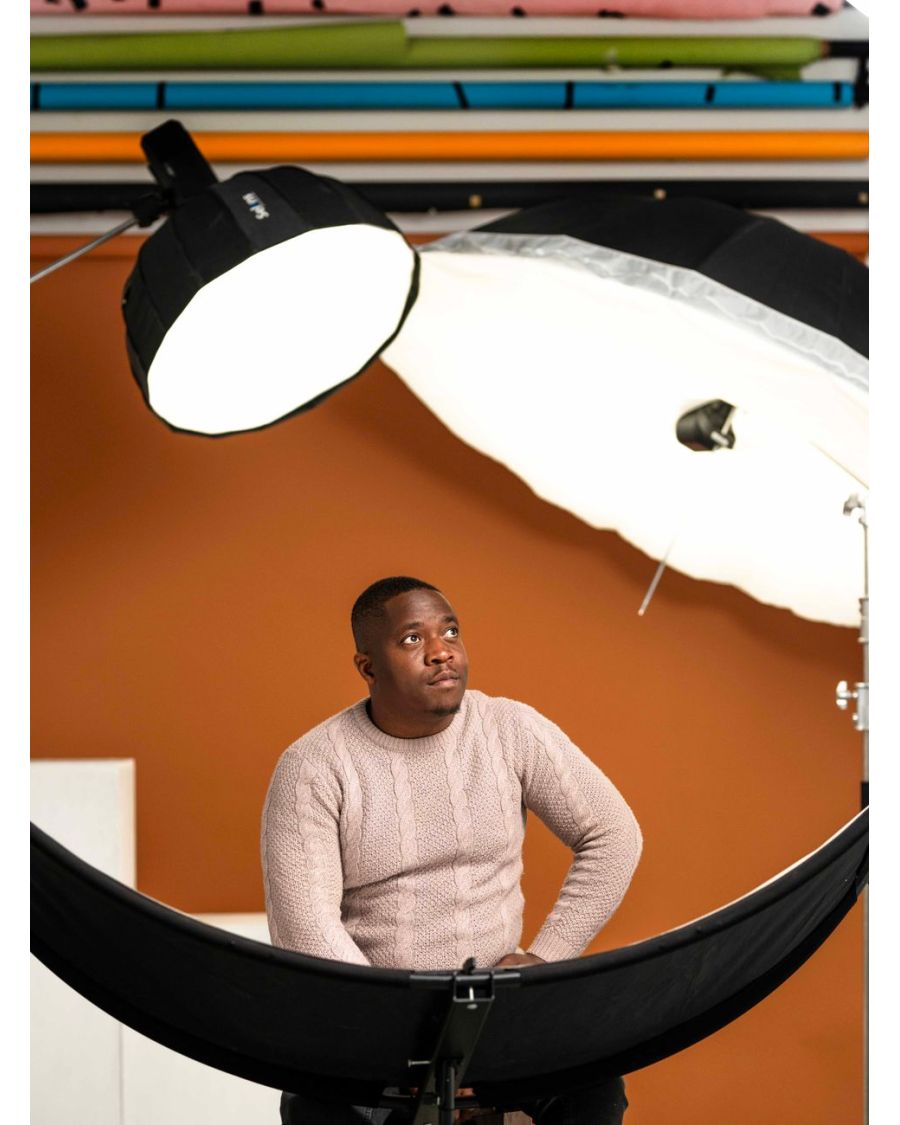
Full-body broad lighting gets swapped for a grid or narrow strip box to emphasize textures on leather goods, gloves, and scarfs. The focal length increases to compress perspective and isolate cut lines. Subtle changes in reflector angle eliminate harsh shadows under coat collars.
Use a white foam core board held close beneath the chest line to lift collar shadows on dark jackets.
File Verification and Stage Wrap
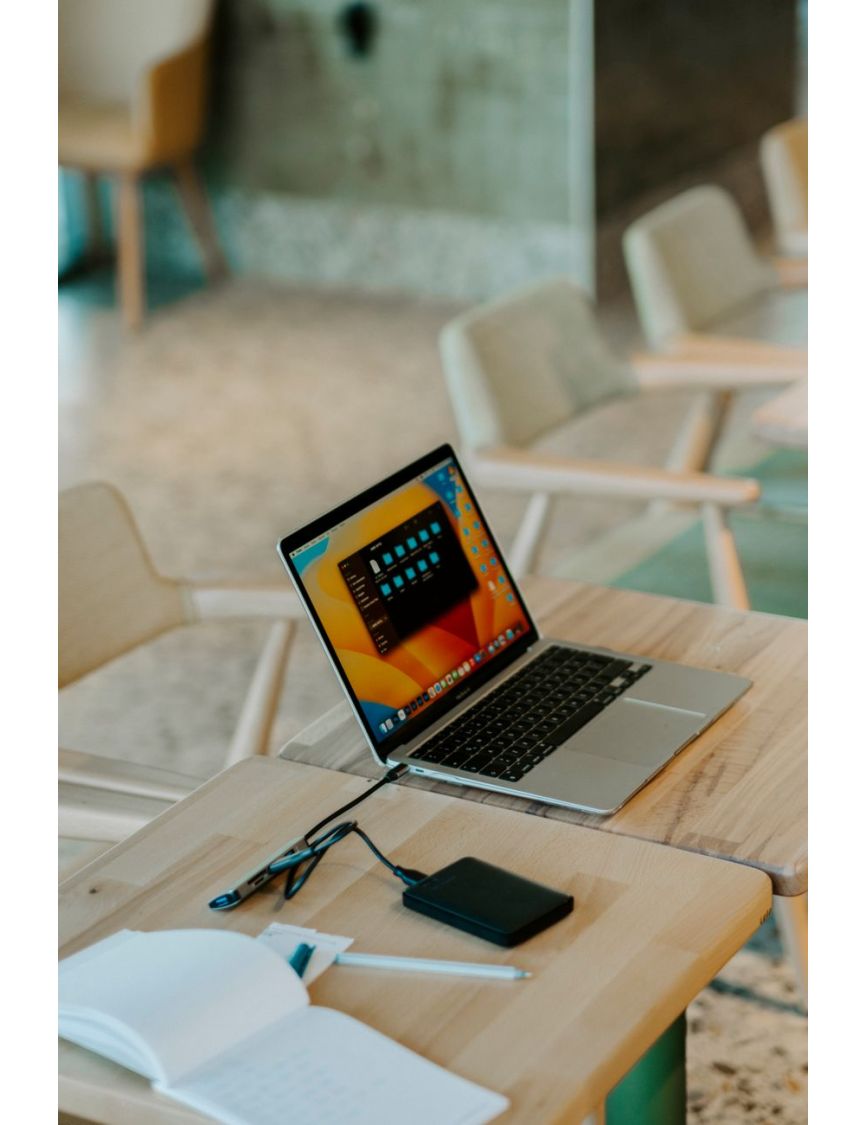
Raw files are duplicated across two independent solid-state drives before any equipment is unplugged. Modifiers come down, flash tubes cool, and paper backdrops are cut and discarded. Wardrobe is accounted for on the racks while the studio floor is swept clean for turnover.
Never pull power from pack heads until the flashtubes have cooled down for at least ten minutes.
That's the inside look. Save this one for your next shoot.
And when you're ready to create something real in NYC, you know where to find us.
Building a lookbook or campaign?
Fashion and editorial photography for brands, designers, and models in NYC.
NYC Fashion & Editorial Photographer