
Stop Romancing Your 5D: The Optical Viewfinder Is Dead
I spent a decade swearing by the optical chunk of a Nikon D850, telling myself electronic viewfinders felt like watching TV. Then I shot three back-to-back agency tests at f/1.2 on a mirrorless body and realized nostalgia was costing me billable keepers.
Want to shoot at any of these with Dante's Models? Book a session or apply to be represented.
As an Amazon Associate, Dante's Models earns from qualifying purchases. The Amazon links below are affiliate links — buying through them supports the studio at no extra cost to you.
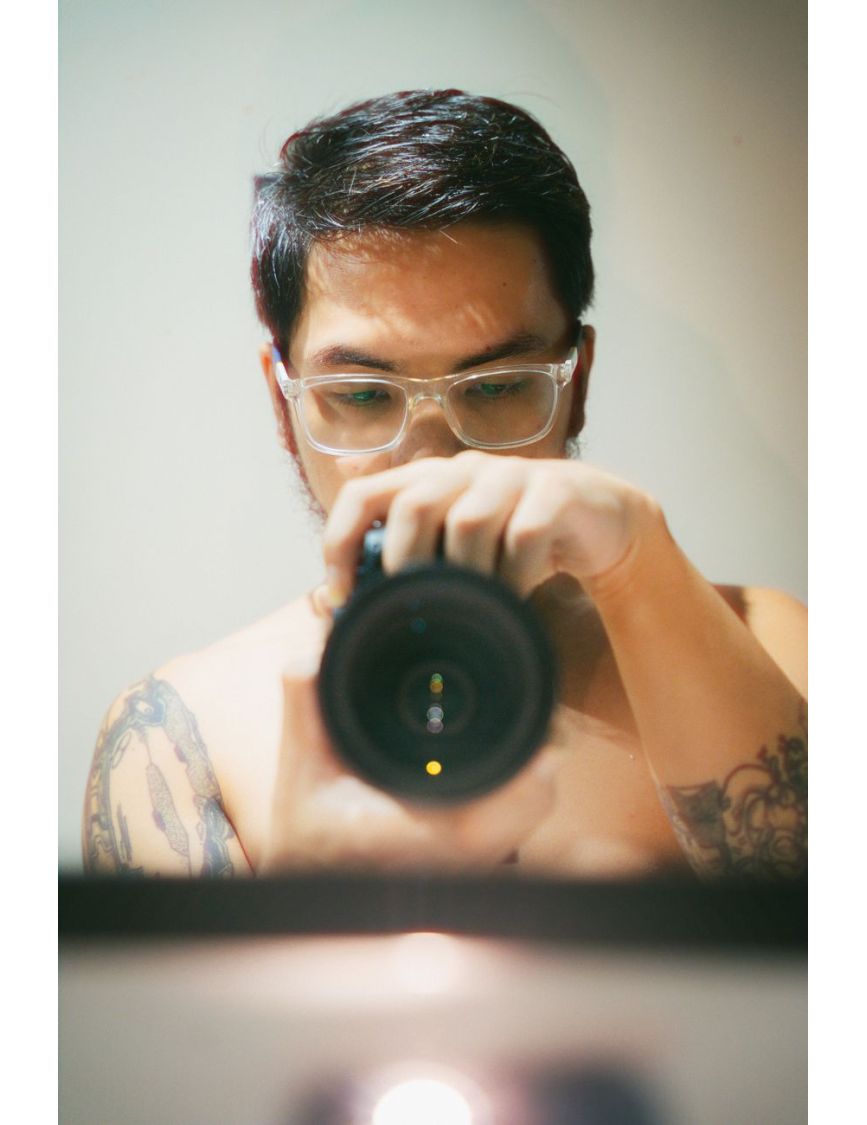
Eye-AF vs. Focus-and-Recompose
With a DSLR at f/1.4, breathing wrong during focus-recompose puts the focal plane on the cheekbone instead of the iris. Mirrorless sticky eye-tracking locks onto the nearest pupil across 95% of the frame, letting you direct the human instead of micro-managing a cross-type autofocus point.
Turn off continuous eye-tracking when shooting layered double portraits; assign a custom button to quickly toggle between detected faces.
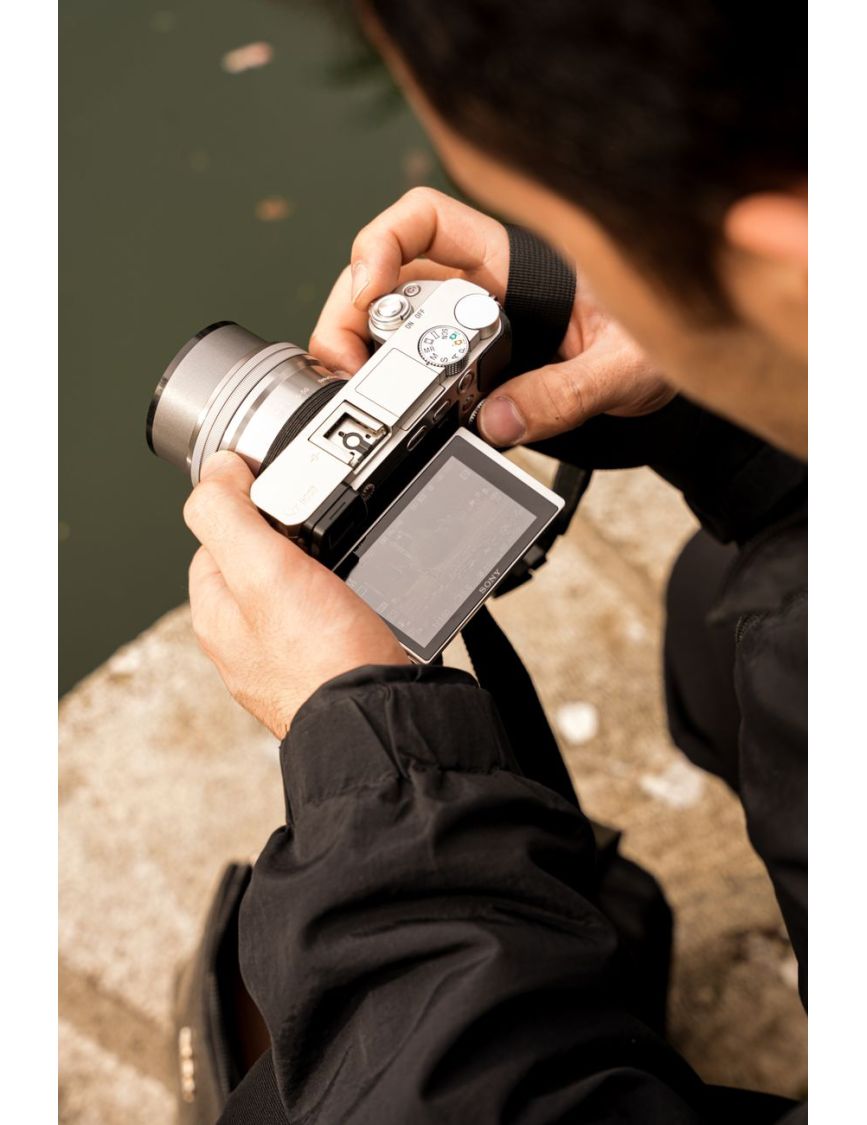
What-You-See Exposure vs. The Chimp Cycle
On a DSLR, you meter, take a shot, pull the brick away from your face, and chimp the LCD screen to verify clipping. An electronic viewfinder shows the exact exposure, picture profile, and highlight blowout before the shutter ever trips, saving crucial seconds during fleeting light.
Map highlight zebra striping to 95% in your EVF to catch skin blowout before you press the shutter.
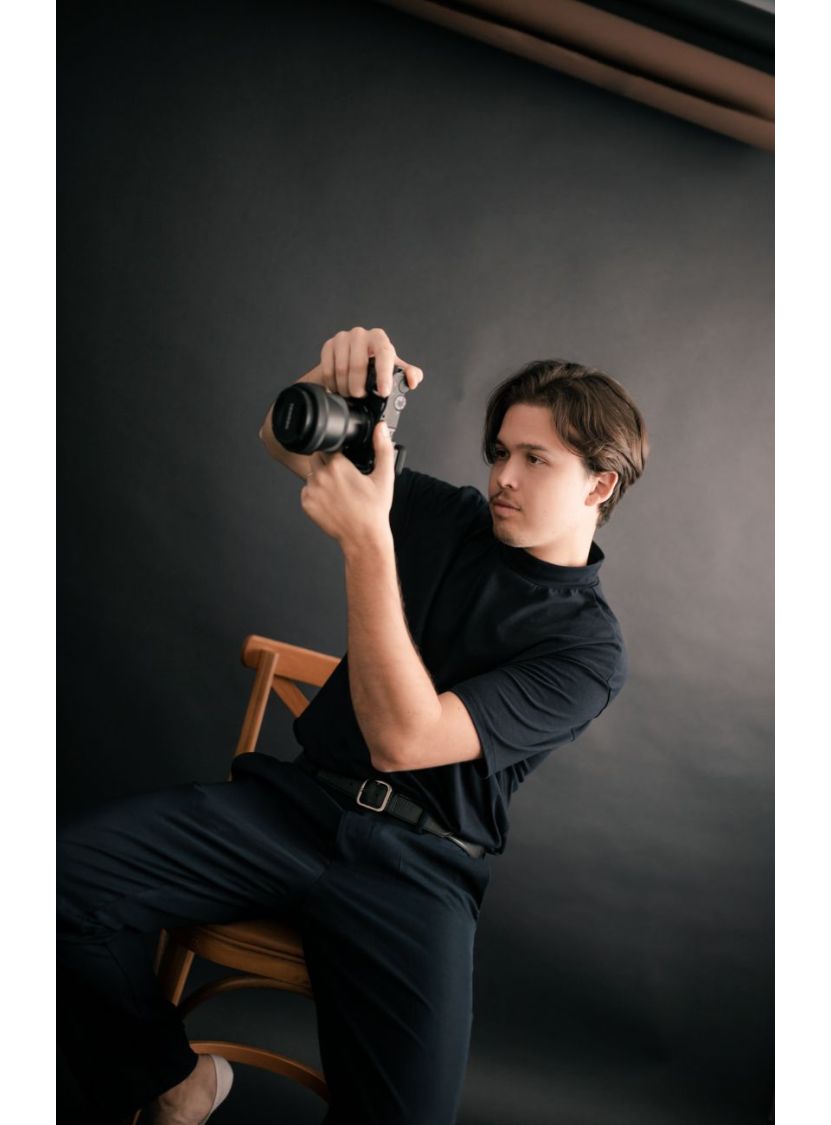
The Flash Sync & Studio Fallacy
Inside a blacked-out studio shooting strobes at f/8 and 1/160s, mirrorless benefits shrink fast. Your EVF requires constant exposure simulation disabling just to see the modeling light, and an old Canon 5D Mark IV still feels more balanced in the hand when tethered to a tripod for eight hours straight.
If you shoot mirrorless in studio, save a custom menu preset that disables exposure preview and boosts EVF gain so you aren't staring into pitch black.
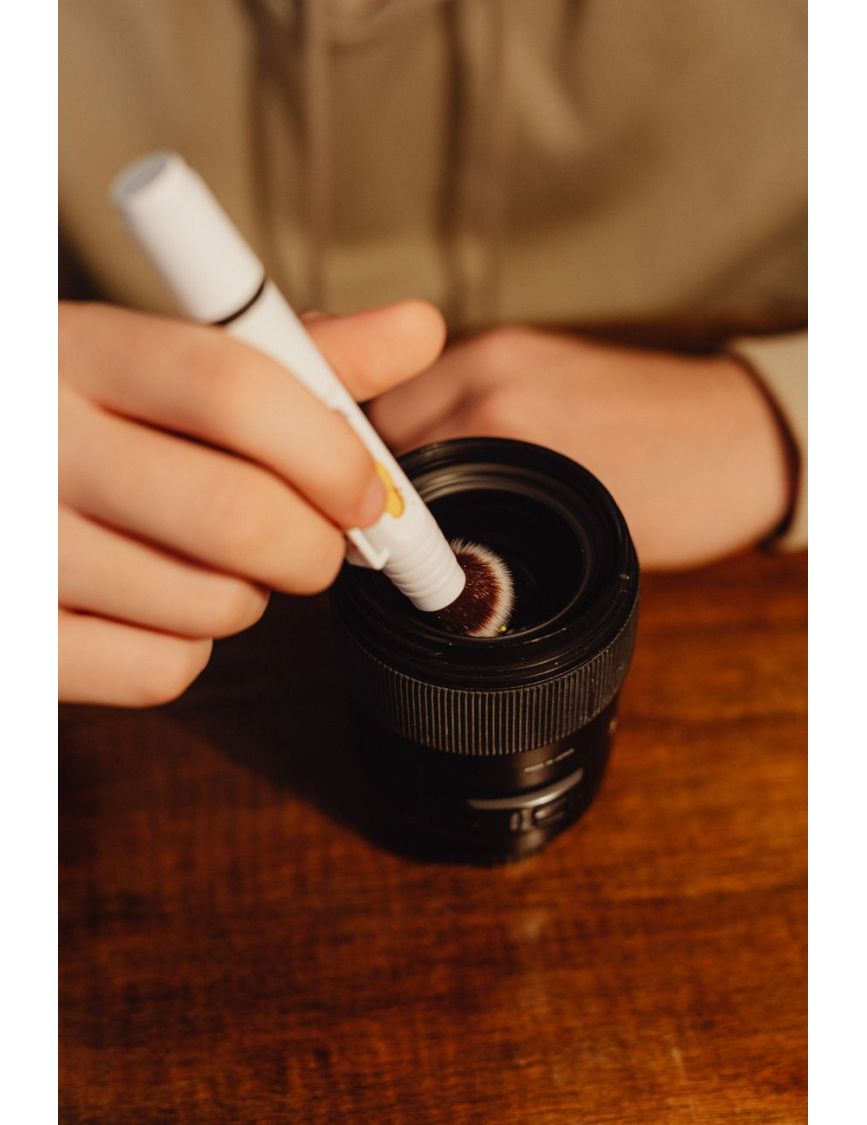
Sensor Dust and Open Shutter Vulnerability
A DSLR mirror box acts as a natural physical shield against debris when you're swapping lenses on a windy corner. Mirrorless sensors sit naked millimeters from the mount, meaning one rushed swap can coat your raw files with dust spots that take hours to clone out in Capture One.
Always point the camera body straight down toward the ground when switching mirrorless lenses, and enable the shutter curtain close-on-power-off feature.
Ergonomics, Balance, and Hand Fatigue
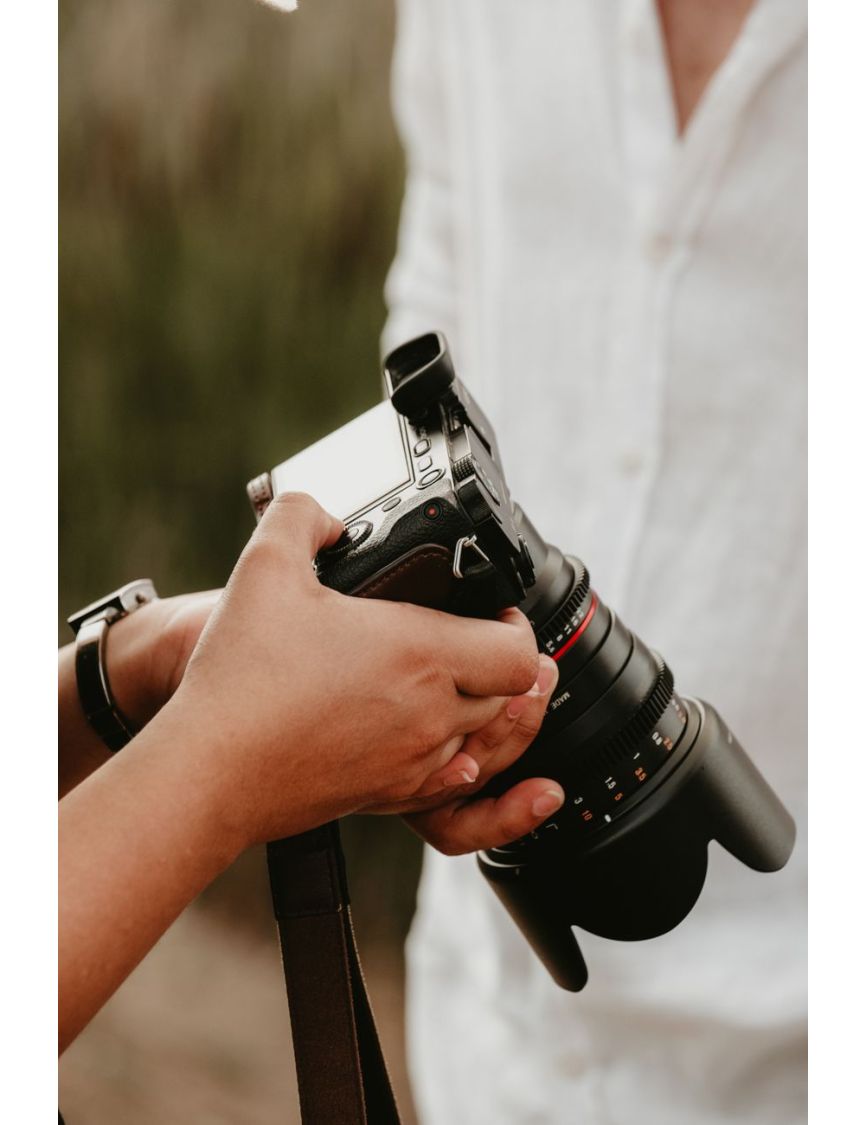
Camera marketing promises lightweight compact setups, but premium 1.2 and 1.4 glass remains massive glass. Mating a two-pound 85mm prime to a tiny, thin mirrorless body creates an aggressive front-heavy lever that destroys your wrist faster than a deeply contoured DSLR grip ever did.
Buy a third-party baseplate extension or battery grip solely to give your pinky finger leverage against heavy portrait glass.
That's the inside look. Save this one for your next shoot.
And when you're ready to create something real in NYC, you know where to find us.
Ready for photos of your own?
Headshots, fashion, portraits, events — shot anywhere in New York City.
Book a Photoshoot