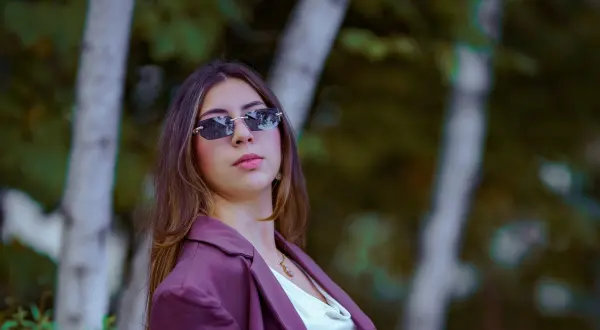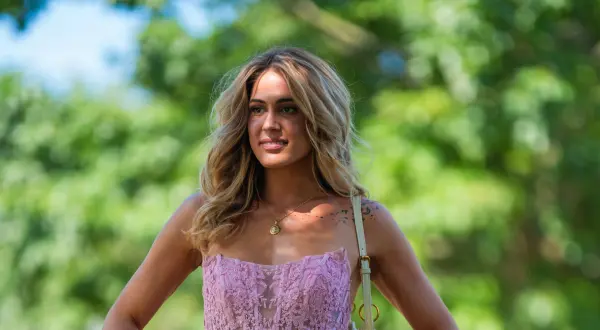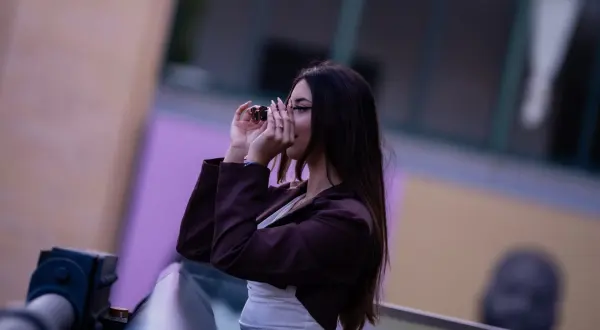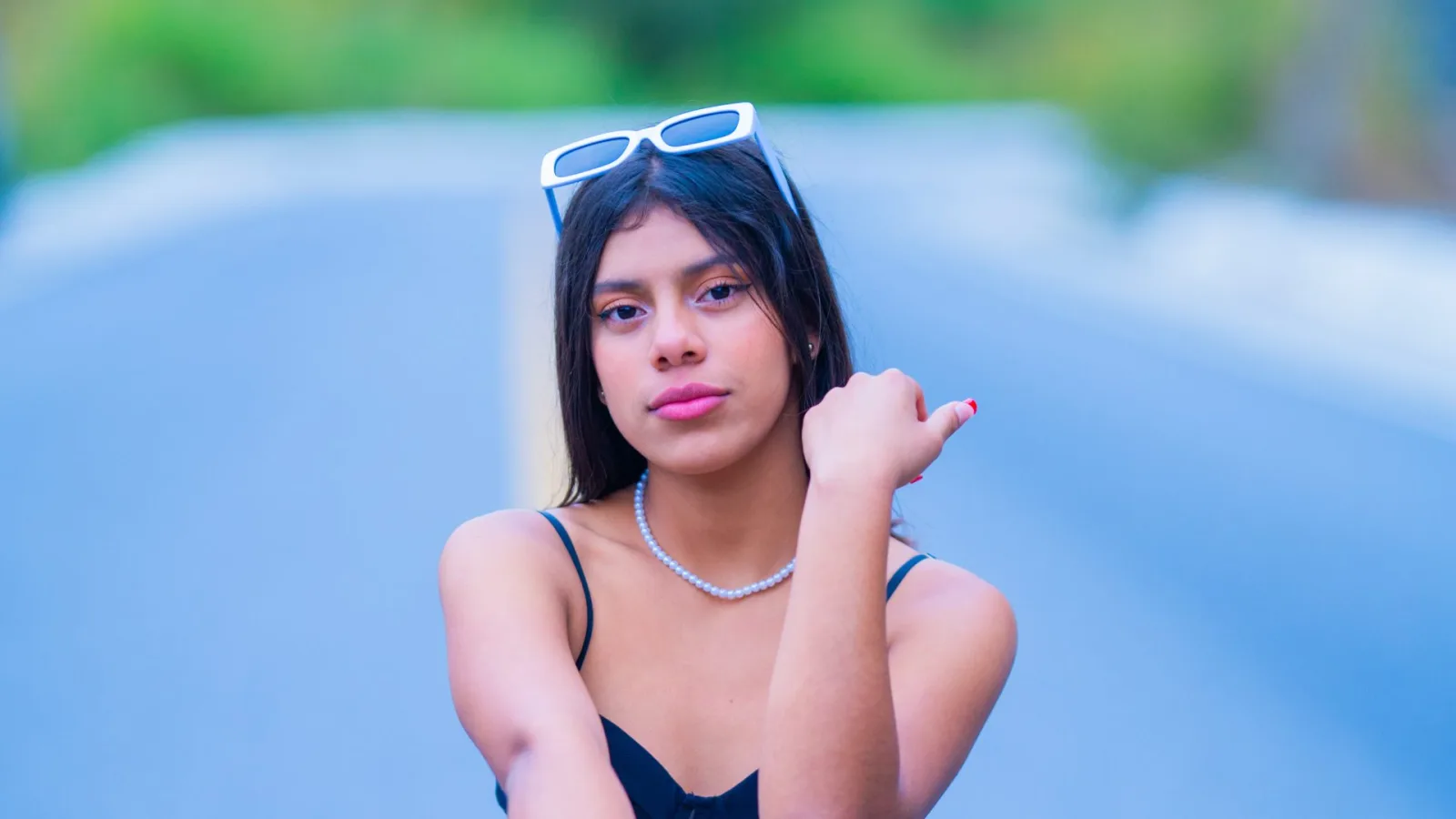
Golden hour in Greenwich Village. A model in an oversized blazer and vintage denim walks down a tree-lined street past the brownstones. The brownstones are the backdrop and every candid frame could end up in her portfolio. That's NYC street style photography, and it's worth having in your book.
Why street style belongs in a model's portfolio
Studio shots are polished. Street style shows you can hold a frame in a real setting, with traffic, crowds and uneven light. Agencies and fashion brands in New York look for that. It shows attitude and ease, and the ability to wear a look in the middle of a busy city. Casting directors and clients can see it in a single frame.
What the street style look is
It mixes the unexpected with the editorial. The photos feel candid, a little gritty and still stylish. Unlike a studio, a street shoot runs on spontaneity. The goal is to look at ease, as if you stepped out of a magazine and a photographer happened to catch you.
- Candid: Many shots are planned, but the best look natural. That takes small movements, real expressions and honest reactions to what's around you.
- Authentic: Your personality and the feel of the neighborhood should come through. Rigid poses get in the way.
- High-fashion edge: Even in casual settings the frame has an editorial quality. It comes from styling, grooming, and a photographer's eye for composition and light. Manhattan's concrete canyons or the alleys of Bushwick both work as a stage.
Current looks on NYC streets
Models should know what's being worn. Fashion week street style reports and local fashion blogs help, and so does watching people in SoHo, the West Village or Williamsburg. These looks keep showing up:
- Elevated comfort: Oversized blazers, tailored wide-leg trousers, good knits and designer sneakers. Put together, but easy to walk the city in.
- Vintage and upcycled: A leather jacket, a retro scarf or a well-worn pair of jeans adds character.
- Bold accessories: Chunky gold jewelry, statement sunglasses, bright handbags and hats. They add a pop of color or texture against the city.
- Monochrome: Head to toe in one color, such as all black, cream or a deep jewel tone.
- Streetwear with tailoring: Hoodies and graphic tees with trench coats or tailored skirts.
Posing for candid street shots
Think about doing something instead of posing.
- Move naturally. Walk, laugh, hail a cab, glance over your shoulder, fix your hair. Walk with purpose and a slight sway, and keep good posture.
- Vary your walking shots. Change your pace, take longer strides, look straight ahead, look down, look at the camera. Keep your body engaged and avoid stiffness. A slight blur of movement in the background can help.
- Use your surroundings. Lean on a wall, run a hand along a textured surface, sit on a stoop, look up at a skyscraper. If you involve street vendors, ask permission first.
- Practice "caught off guard" expressions. A real smile, a thoughtful look, a playful smirk. Your photographer will guide you, but you should be able to switch quickly.
Styling for the street
Each piece has to work in the frame.
- Layer. New York weather is unpredictable, and layers add interest. Try a trench over a blazer, a draped scarf or a statement jacket.
- Mix textures. Leather, knit, denim, silk and tweed give depth, and they play well with the textures of the buildings.
- Place color on purpose. A bright bag, a colorful shoe or a neon accessory draws the eye. Think about how it will look against brick walls, grey sidewalks or yellow cabs.
- Add personal accessories. Vintage jewelry, an unusual pair of glasses, a bandanna.
- Wear shoes you can walk in. You'll move a lot. Stylish sneakers, comfortable boots or flats all work.
- Match the location. An edgy look suits the Lower East Side. Something more refined suits the Upper East Side or Central Park.
Working with your photographer on location
The city offers plenty of backdrops, from the Meatpacking District to Gramercy Park.
- Share the plan before the shoot. Talk through the look and the locations. Bring mood boards, outfit ideas and any areas you want to feature.
- Trust their eye. Your photographer picks angles and light, and how you interact with street art, fire escapes, subway entrances or landmarks. A plain brick wall can work with the right pose and light.
- Be flexible. Locations can change because of light, crowds or something better you spot on the way.
- Use the natural light. Morning light is soft. Golden hour gives longer shadows and warm tones. Your photographer will guide you.
- Respect public space. Stay aware of pedestrians and local businesses.
What street style does for your portfolio
- Shows versatility. You can move from polished studio work to raw urban shoots, and New York agencies look for that.
- Shows your personality. Looser poses let your character come through, which casting directors remember.
- Appeals to brands. Lifestyle, streetwear and luxury brands want models who look right in real settings.
- Shows professionalism. Changing wardrobe on the go and working around a busy street takes experience.
- Sets you apart. Good street images stand out in a crowded market.
Summary
From Manhattan's avenues to Brooklyn's streets, the city gives models a lot to work with. Street style builds a story, shows range and shows you can hold attention anywhere. If you want street style photos for your portfolio, visit dantet9.com to see our services and book a street style photoshoot.
Photo by TheDigitalArtist on Pixabay