New York is not sharp and still. The L train rumbles under your feet, yellow cabs streak down 5th Avenue, a street performer starts up in Washington Square Park. Photographers are trained to fight that and chase crisp, clean frames. We think some of the best pictures come from blur you put there on purpose.
Why we shoot blur
Sensors keep getting bigger and lenses sharper, and plenty of photographers pixel-peep. There is a place for razor-sharp focus. We do it for fashion editorials and commercial campaigns at Dante's Models. But a sharp frame shows the form of a subject, and it can't show motion.
Blur on purpose is a choice, not a mistake. Take a dancer mid-pirouette in a Chelsea studio, or a skateboarder on the ramps at Pier 62. A frozen shot shows the pose. A little motion blur shows the speed and the power.
Techniques
It isn't just shaking the camera, though a controlled shake can work. It comes down to light, shutter speed and how the subject moves.
Shutter speed
You need a slower shutter. How slow depends on the subject's speed and the effect you want. For a soft, painterly blur of a model walking down a cobblestone street in the West Village, start around 1/30th of a second. For a streak of a subway train pulling into Grand Central, try 1/8th or 1/4th of a second. Experiment. We often bracket, shooting a range of speeds to see which works.
Panning
Panning is one of our favorites on location shoots. You follow the moving subject with the camera and press the shutter at a slower speed. The subject stays fairly sharp and the background smears into streaks, which gives a sense of speed and direction. Picture a model striding across the Brooklyn Bridge while you pan with her, so the bridge seems to fly past. It takes practice, a steady hand and some core strength when you're carrying pro gear around the city.
Intentional camera movement (ICM)
Sometimes the camera moves instead of the subject. You rotate it during a long exposure, or sweep it horizontally or vertically. We've used ICM for abstract portraits of models in our natural light studio in DUMBO, and to turn the lights of Times Square into a swirl of color. You control it less, and that's part of the appeal. You get happy accidents.
A blurry photo isn't always a bad one
Blur can carry emotion and atmosphere. Think of a fashion show: models moving, lights flashing. A frozen frame can feel sterile, while a blurred one keeps the energy.
We often use this on artistic test shoots. Models can try different expressions and movements without worrying about being perfectly still. They can perform for the camera, and the camera interprets it.
When to use it
Choose blur on purpose. It's not a default setting.
Emotion
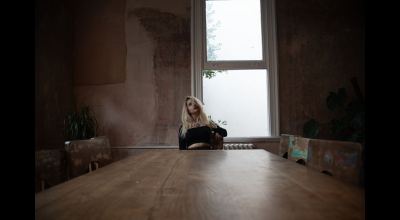
A slight blur around a model's face while she's lost in thought, or around hands as she gestures, adds vulnerability that a sharp image may lack. It suggests movement and feeling beyond the single frame. We look for these moments in intimate portrait sessions in our studio.
Energy and action
This is the obvious use: a dancer leaping, an athlete in motion, a musician lost in a performance. Blur turns a freeze-frame into something moving. A street photographer shooting pedestrians rushing through Grand Central Terminal gets the same effect, with many people crossing at once.
Abstract images
You can also break a scene apart. Extreme motion blur or ICM turns ordinary subjects into abstract images. A skyline with a long exposure and deliberate camera movement becomes a painterly view of the city. It gives a model's portfolio an editorial look that sets it apart.
Post-processing
The work happens in camera. Editing is for refining what you captured, not for adding blur in Photoshop, unless you want a very specific effect.
Selective sharpening and contrast
Even in a blurred image you often want one point to stay defined, like the model's eyes or a detail of the outfit. Selective sharpening in Adobe Lightroom or Photoshop brings those out without losing the blur. Contrast helps define the blurred shapes and add depth.
Color grading
Color changes how blur reads. A cool, desaturated palette suggests calm or mystery. Warm, saturated tones add energy. We try different grades to match the mood of a campaign or a model's lookbook, so the blur looks like part of the plan.
Blur in New York
You can't control the crowd in Union Square or a passing bus on the Lower East Side. So we use the motion instead of fighting it. Commuters at Penn Station, a block party in Harlem: motion blur gets the feel of the place.
Want a shoot with some movement in it? Book a photoshoot with us, or use our free tools at dantet9.com/tools.
Cover photo by danuwira01 on Pixabay.
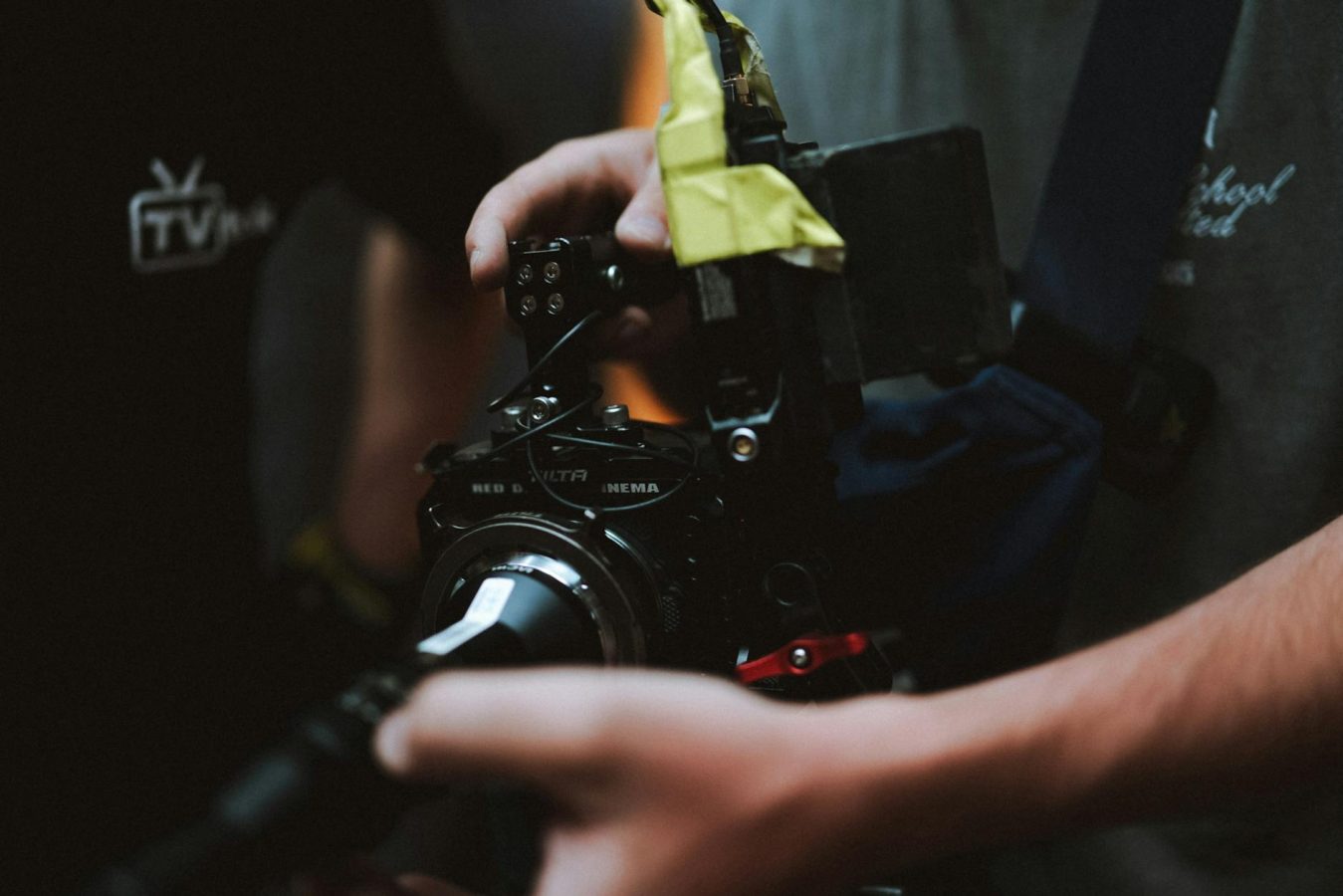
Photo by Maksim Romashkin on Pexels