Agencies in New York often spend less than 30 seconds on a first portfolio submission. Your portfolio is your visual resume and usually your only first impression, so it needs to be built with care. This guide covers each step.
Photos every model needs
Your book should show range. A varied set of good images does that.
Digitals (Polaroids)
An NYC modeling agency will often ask for these first. Digitals are raw, unretouched photos that show you as you are.
- What they are: Simple, clear, unstyled shots against a plain wall (usually white or grey) in natural light. No makeup, or minimal natural makeup. No styled hair, and simple clothing.
- Why they matter: Agencies need to see your real bone structure, skin, hair and physique without styling or heavy editing.
- How to get them: You need front, side and back full-body shots, a headshot and a three-quarter shot. Wear a simple swimsuit or fitted jeans and a plain top. Keep your expression neutral but confident.
Headshots
- What they are: Close-ups of your face and shoulders.
- Why they matter: Agencies look at your facial symmetry and eye color, and whether you can show emotion with your face alone. A strong headshot can read as confident, vulnerable or fierce, depending on what's needed.
- NYC tip: New York agencies look for different expressions. Show range, not one smile.
Full-body shots
- What they are: Shots of your whole body, often in different poses.
- Why they matter: Agencies use them to judge your height, build and silhouette, and to see how clothing will hang on you.
- Variety: Include standing and dynamic poses. Some can be in swimwear, some in activewear, some in simple form-fitting clothing.
Fashion and editorial shots
- What they are: Stylized, high-concept photographs that tell a story, often like spreads in fashion magazines. They use avant-garde styling, dramatic lighting and unusual locations.
- Why they matter: They show you can play different characters, work with complex styling and carry a high-fashion look.
- Range: Edgy street style in Brooklyn and elegant studio shots in Manhattan both help define your look.
Commercial shots
- What they are: Bright, friendly, lifestyle-style photos of the kind used to advertise everyday products or services.
- Why they matter: Many modeling jobs are commercial. Agencies need to see that you connect with a broad audience, look warm and look trustworthy to brands.
- What to try: Smile, laugh, interact with props, or play an emotion that mainstream consumers respond to.
Working with photographers
The quality of your photos reflects on you, so pay for professional photography if you're serious about modeling in NYC.
Finding the right photographer
- Research: Look for photographers whose work matches the style you need. Check their websites and Instagram, and look at their past model shoots.
- Specialization: Some photographers are strongest in fashion, others in commercial. A studio like Dante's Models covers a range, so you can get every shot you need.
- Communication: A good photographer listens to your ideas and guides you with posing tips and creative direction.
Test shoots
- What they are: Collaborative shoots where the model and photographer, and often a stylist or makeup artist (MUA), create new images for their portfolios, often with shared creative control.
- Benefits: You gain experience, try new looks and meet people in the New York industry. They can cost less than a fully commissioned shoot.
TFP (Time For Print/Portfolio)
- What it is: A trade where neither the model nor the photographer pays, and both get images for their portfolios.
- Pros: A cost-effective way to get new content.
- Cons: Quality varies a lot. Get a clear contract covering image usage, delivery timelines and expectations. Work with reputable photographers, even for TFP. A professional studio will always provide contracts and clear terms.
Styling and makeup
Styling and makeup should flatter your features and show versatility without overshadowing you.
- Professional help: For fashion and commercial shots, work with a professional hair and makeup artist (MUA) and a stylist. They know how makeup and clothing look on camera and can build looks that work together.
- Versatility: Plan a range of looks, from natural and fresh to glamorous and high-fashion, so agencies see you can adapt to different briefs.
- Cohesion: The book should feel chosen, not random, and the styling should fit you as a model. Keep digitals minimal. Go bold for editorial.
Choosing and ordering your images
- Quality over quantity: 10 outstanding images beat 30 mediocre ones. New York agencies look for impact, not volume.
- Variety: Show your range of expressions, emotions and poses across fashion, commercial and natural styles.
- Strong start and finish: Put your strongest images first and last. They get the attention and are what people remember.
- Flow: Arrange the images so they move naturally and hold the viewer.
- Digital and physical: Digital portfolios (PDFs, websites) are standard for first submissions, but bring a physical book to in-person meetings. Keep both clean and easy to navigate.
Submitting to NYC agencies
- Research each agency: Not every agency fits every model. Look at NYC agencies like IMG, Elite, Ford, Wilhelmina and smaller boutique agencies. See what look they represent and whether it matches yours and your goals.
- Follow their guidelines exactly: Each agency has submission instructions on its website, usually under "Become a Model" or "Submissions". Follow them on file sizes, photo types and contact information. Ignoring them looks unprofessional.
- Keep it short: Your first email should be concise and professional. Include your basic stats (height, measurements, etc.) and a link to your online portfolio or attach your digitals.
- Be patient: The New York market is competitive, and you may not hear back at all. Don't take it personally. Keep updating your portfolio and keep submitting.
Keeping your portfolio current
- Update regularly: When you gain experience, change your hair or refine your look, the portfolio should change too. Aim to update it every 6-12 months, or after significant new shoots.
- Stay current: NYC fashion and commercial work changes constantly. Remove outdated looks and replace them with stronger new material.
- Show growth: Use the book to show new skills, expressions or types of work.
Building your book with us
Dante's Models is an NYC photography studio and modeling agency. We shoot model portfolios, from natural digitals to high-fashion editorial, with styling guidance, and we know what agents look for. To book a consultation, visit dantet9.com.
This post contains affiliate links. If you purchase through these links, we may earn a small commission at no extra cost to you.
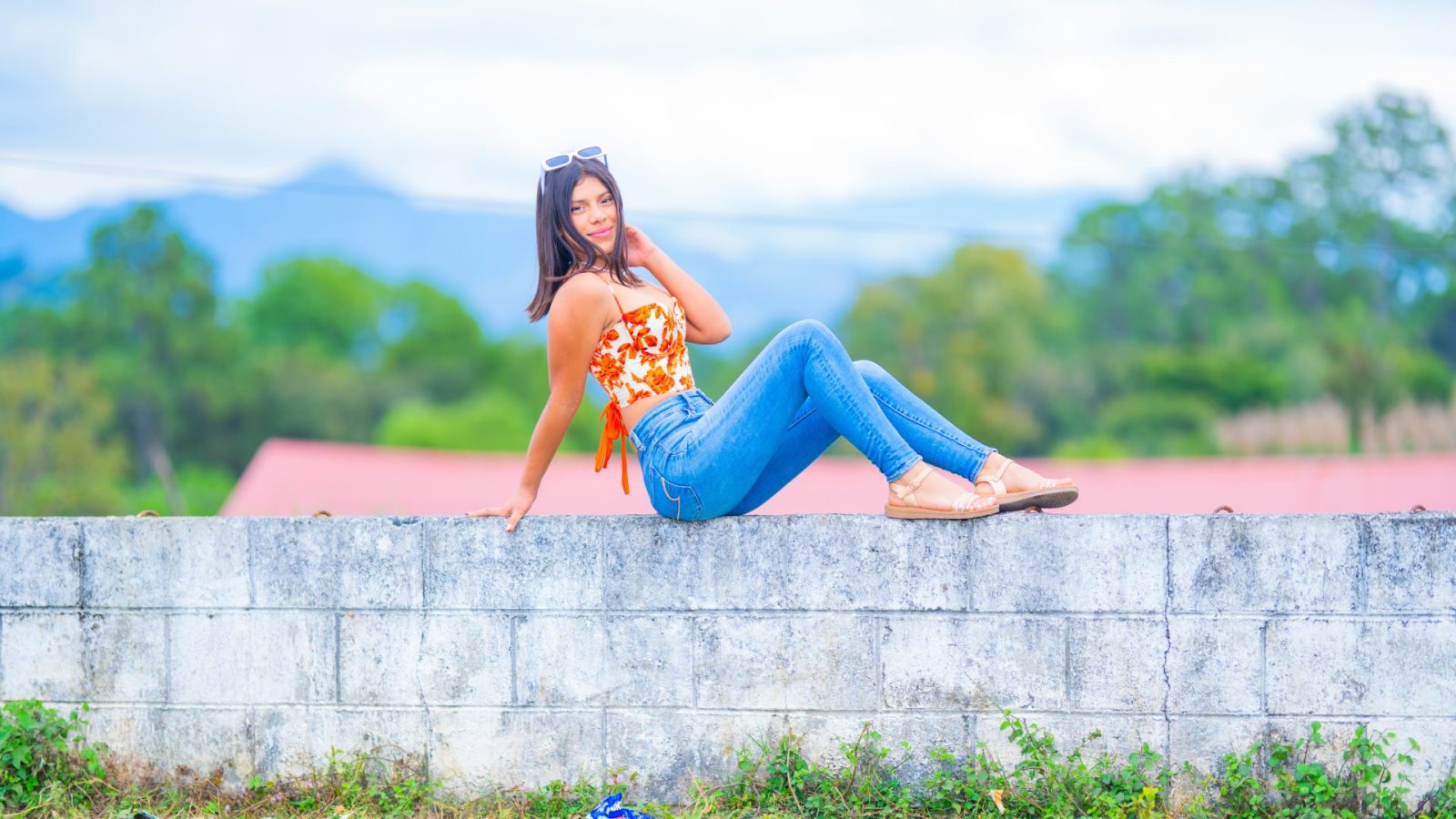
Photo by Marcelle Carvalho on Pexels