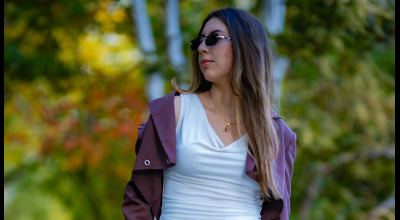
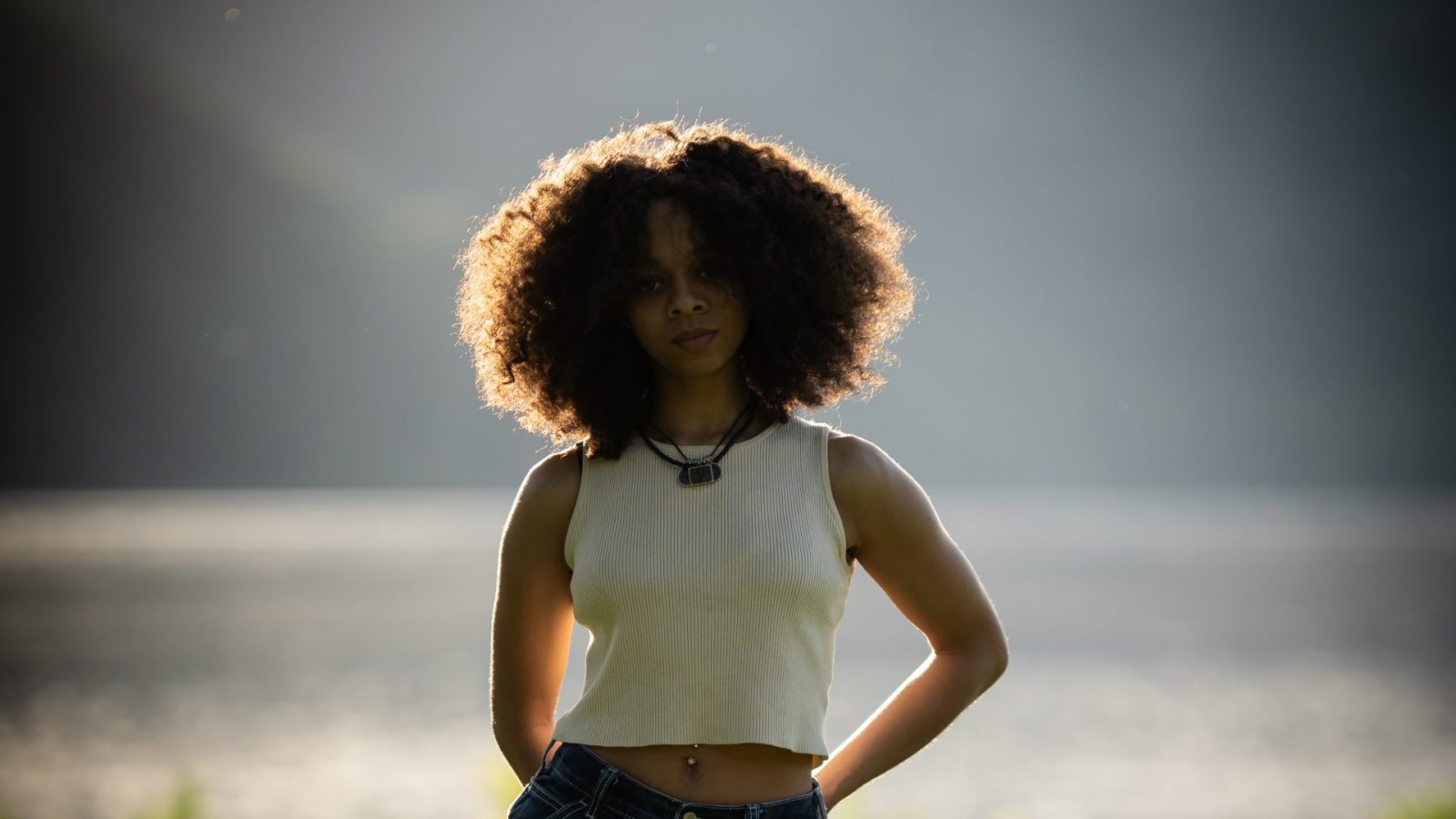
Agencies in New York look at your portfolio before they look at you. It is your resume, and for most agencies it is the first thing they see and often the only thing. Here is what goes in it and how to use it.
1. Why your portfolio matters in NYC
Looking good is not enough here. Agencies and casting directors want to see that you can pose, show expression and change looks from one frame to the next. A clear book shows your range and what you would bring to a brand. A weak or messy one gets passed over, however good you look in person.
2. The shots every model portfolio needs
Pick a few images in each category and vary the lighting, mood and wardrobe inside it.
- Headshots. Non-negotiable. Include clean, natural headshots that show your bone structure and real expression, plus a few more editorial or commercial takes. NYC agencies often want to see you "raw" before they see you styled.
- Full body. Swimwear, activewear, a gown. Show your proportions and how you carry clothes. Mix standing, sitting and walking so the book shows movement.
- Editorial. High-concept, fashion-forward work with strong expression and unusual posing. Do these with a creative team.
- Commercial. Relatable lifestyle shots: smiling, talking, looking natural in an everyday scene. Think consumer-brand ads.
- Specialty (optional). Dance, athletics or any unusual look. If you have a skill or a niche, show it.
3. Finding a photographer for your book
Your portfolio is only as strong as the photos in it.
- Look for style. Pick photographers whose work matches the modeling you want to do. There are plenty of fashion and portrait photographers in Brooklyn, Manhattan and Queens. Check Instagram, their websites and agency portfolios.
- Check experience. Have they shot models from NYC agencies, or fashion campaigns and editorial spreads? Their own portfolio and client testimonials tell you a lot.
- Talk before you book. Say what you need for your book. A good photographer will guide you and offer ideas.
- Ask what the price includes. Rates in New York can add up. Find out the number of looks, the number of retouched images and the usage rights. Some photographers offer TFP (Time For Prints) shoots, especially to new models or for a new concept. Get the terms in writing.
- Ask around. Meet stylists and makeup artists at industry events and ask who they recommend.
4. Styling and concepts
A good shoot depends on the whole team, not only you and the photographer.
- Make a mood board. Collect images, colors, textures and poses before the shoot so the photographer, stylist and hair and makeup artist are working from the same page.
- Work with stylists and HMUAs. Professional hair and makeup artists and stylists know what reads well on camera, and they can take a shoot from amateur to editorial.
- Choose wardrobe that fits. Bring outfits that fit well and suit the concept, with a few options and accessories for each look. Mix current trends with timeless pieces.
- Give each set a story. A high-fashion urban look or an everyday commercial scene, each set should say one thing. NYC locations help, from Dumbo's streets to Central Park.
- Keep it you. Stay versatile, but agencies want to see a real person they can develop.
5. Digital and physical portfolios
- Digital portfolio. This is your main tool. Build a clean, mobile-friendly website or use a portfolio platform. Sort work into categories such as editorial, commercial and lifestyle. Add contact information, measurements and a short bio. Treat Instagram as an extension of the portfolio and keep it professional. Many NYC agencies scout online.
- Physical book. Digital submissions are common, but you still need a printed book for in-person meetings with agencies, casting directors and clients. Print it on durable, high-resolution paper. A comp card (composite card), also called a zed card, is a printed card with your best shots and stats.
- Cut hard. Only your strongest, most versatile images go in. Less is often more.
- Keep it current. Swap out older shots when you have better ones.
6. Submitting to agencies and clients
- Research agencies. Find the ones that fit your look. Study their rosters and the models they represent, and target them instead of mass-submitting.
- Follow the guidelines. Every agency has its own rules: online forms, email or open calls. Follow them exactly or your application can be overlooked.
- Tailor the book. For a specific casting, reorder or swap images. If an agency does commercial print, lead with your best commercial work.
- Write a short intro. A brief, polite cover email that covers your experience (if any) and why you fit their agency.
- Follow up once. If you have not heard back after a reasonable wait, follow up politely. Do not keep emailing, and accept the answer.
- Show up. Go to industry events, fashion shows and workshops in NYC. Meetings happen there.
7. Keeping your portfolio current
- Update it. Every 6 to 12 months, or whenever you have significantly stronger images.
- Watch trends. Keep your core book timeless, but a few on-trend shots show you know the industry.
- Ask for feedback. Trusted mentors, photographers or other models can spot things you cannot.
- Build skills. Workshops, acting classes or movement coaching improve your posing and expression, and that shows in the images.
We do portfolio shoots and test shoots at Dante's Models, and we can advise on agency submissions. Our photography packages and consultations are at dantet9.com.
This post contains affiliate links. If you purchase through these links, we may earn a small commission at no extra cost to you.
Photo by Vitaly Gariev on Pexels